
Learn · The process

How to make ice cream
casero, paso a paso

Same ingredients, very different results. Whether homemade ice cream comes out creamy is not decided by the recipe: it is decided by the process. Here is the why of each stage, not just the what.

Mezclar
Pasteurizar
Enfriar
Madurar
Mantecar
Congelar
6 fases

from mix to freezer

With or without a machine

the why is the same

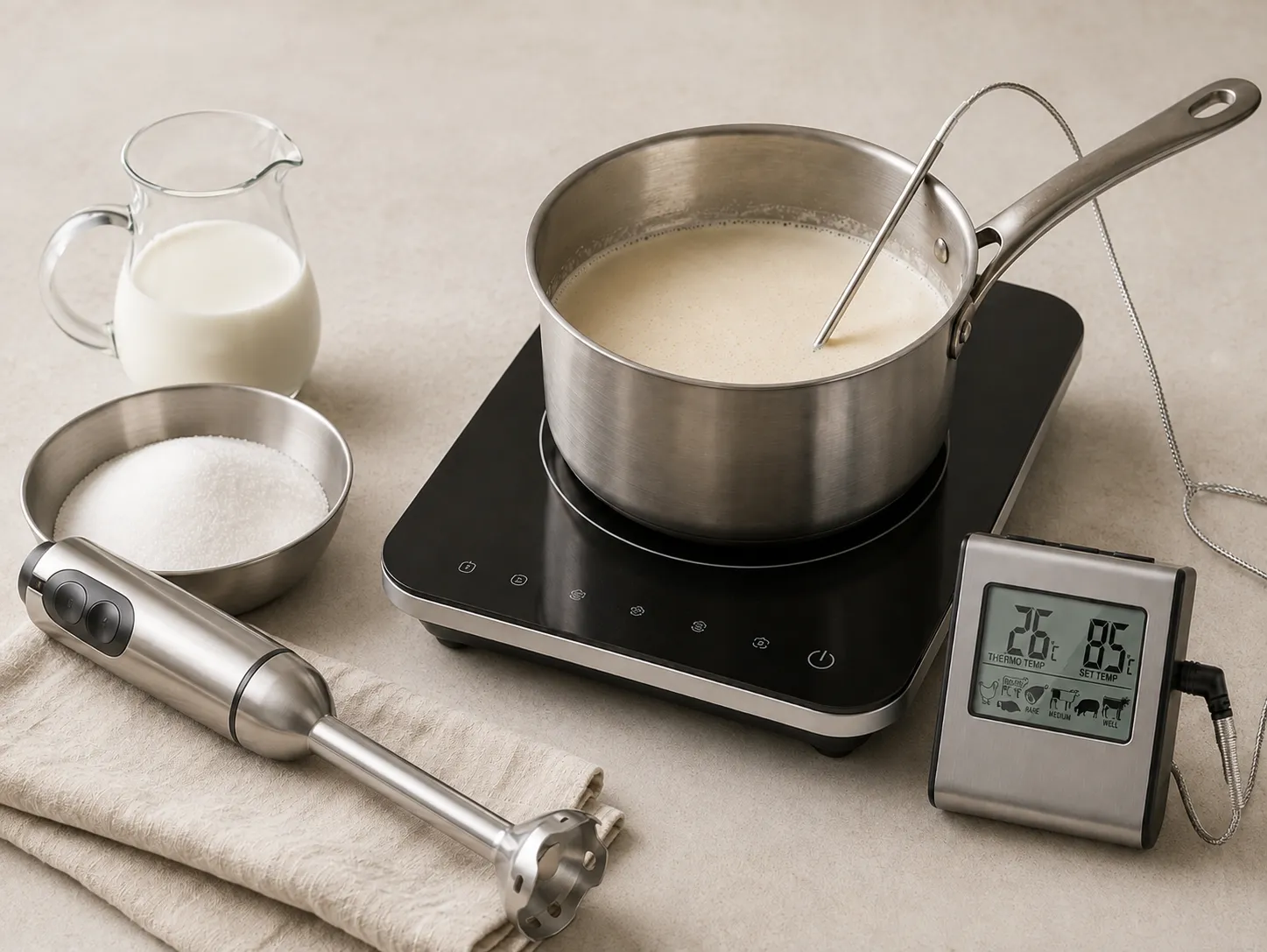
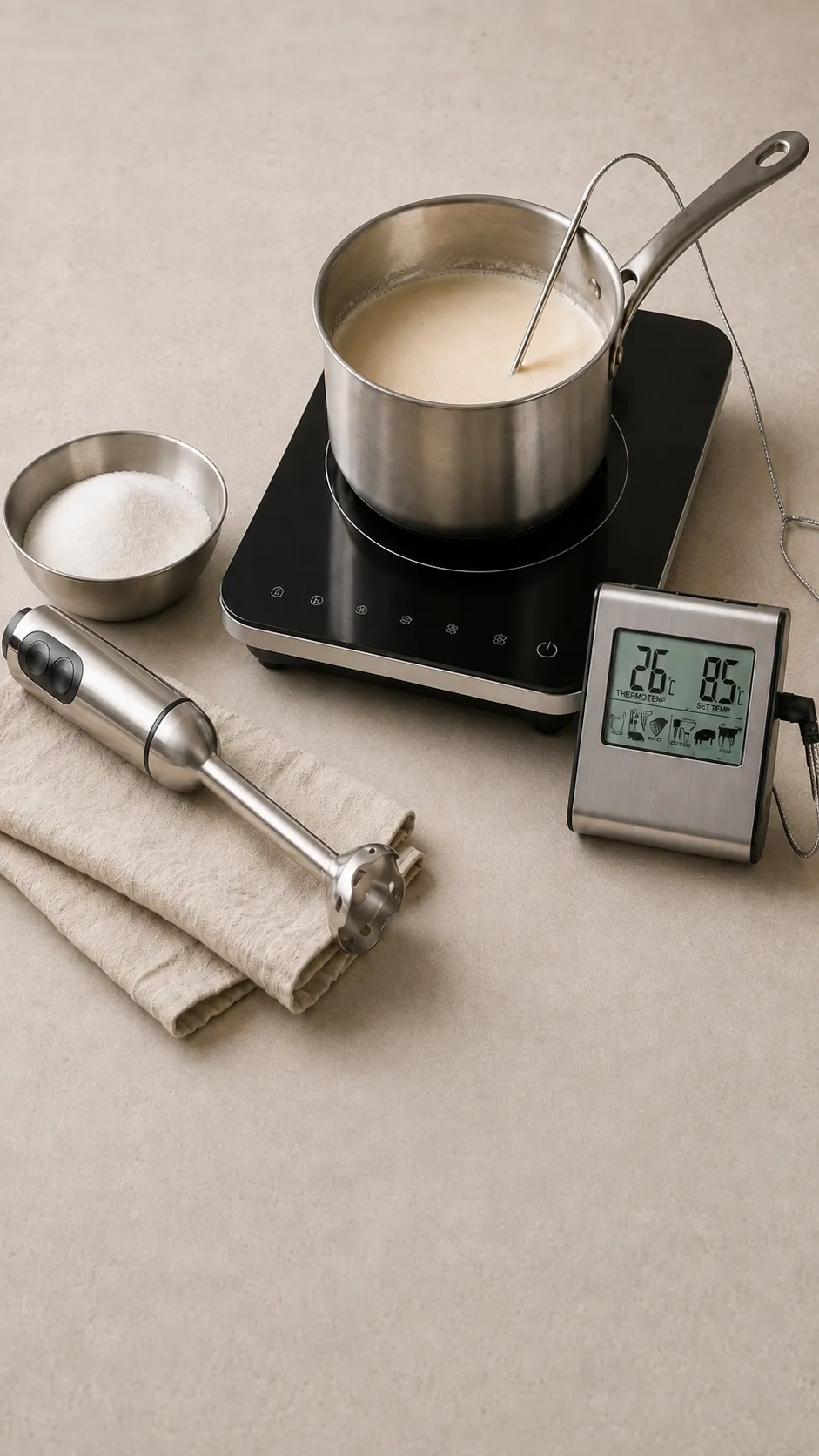
Mezcla de helado pasteurizándose en el cazo con termómetro, junto a la leche y el azúcar
The key idea

Making ice cream is gestionar frío, aire y agua. Cuanto más rápido congeles y más fino batas, más pequeños serán los cristales de hielo y más cremoso saldrá el helado.

The process

The 6 stages,
and why they matter

Skip a stage and you will taste it in the texture.

The stage most people skip

Ageing. It takes no effort, only time: 12 hours in the fridge and the ice cream whips better and comes out creamier.

1

Pesa y mezcla

Precisión

Pesa todo con báscula de gramos: los azúcares y el estabilizante se mueven en décimas y un error de un gramo se nota en la textura. Mezcla en seco el estabilizante con parte del azúcar para que no forme grumos al hidratarse.

2

Calienta y pasteuriza

69–85 °C

Calienta la mezcla para disolver los sólidos y, sobre todo, higienizar. Incorpora el estabilizante o neutro (mezclado en seco con parte del azúcar) alrededor de los 40 °C, cuando empieza a coger calor: así se dispersa sin grumos. La grasa emulsiona mejor en caliente.

3

Chill it fast

→ 4 °C

Baja la temperatura cuanto antes con un baño de agua y hielo: cruzar deprisa la franja templada evita que proliferen bacterias. Eso sí, enfría sin batir con fuerza, porque por debajo de 50 °C la grasa que ya has dividido tiende a reagruparse.

4

Age it cold

12-24 h

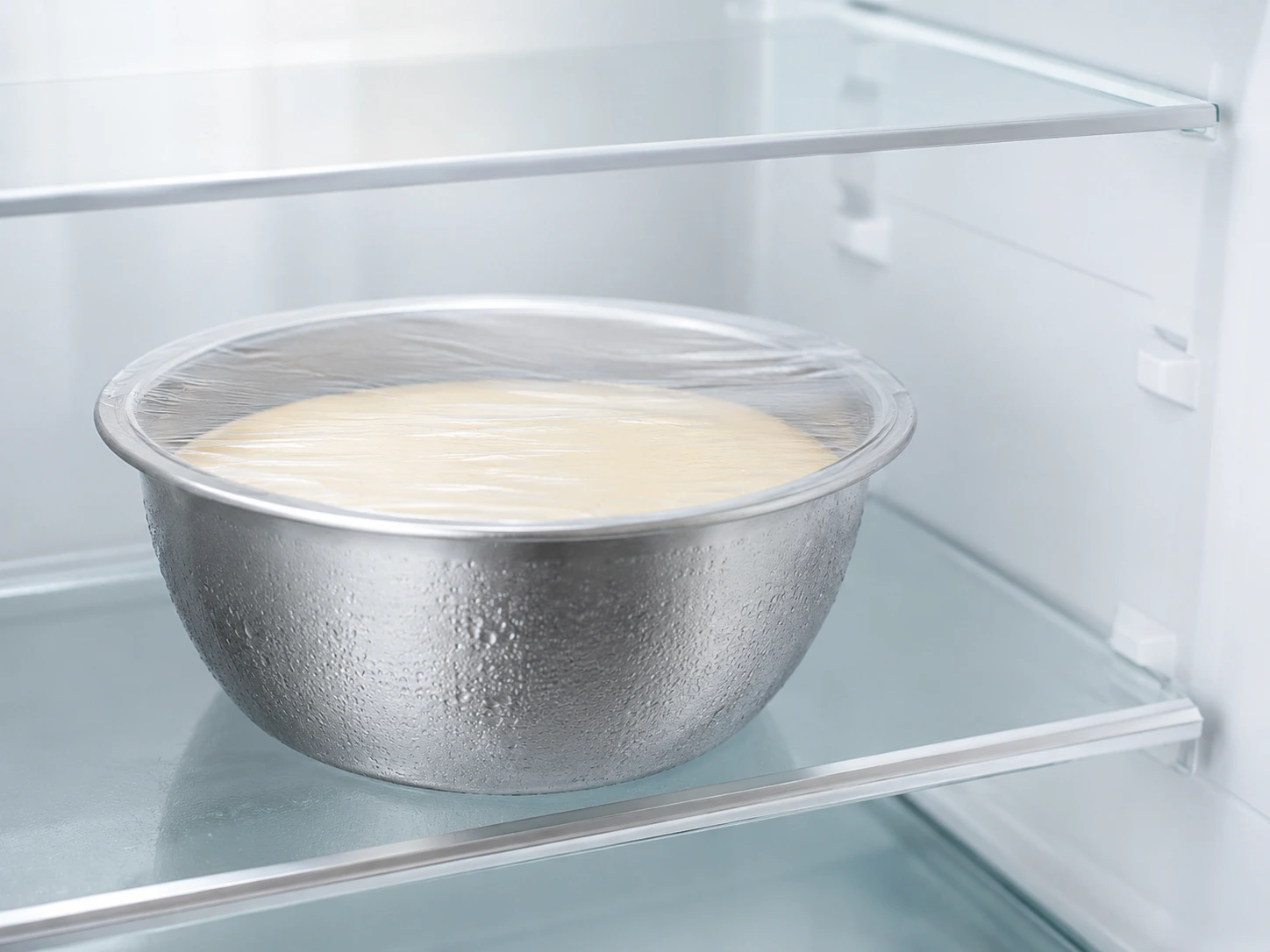
Reposo en nevera tapado, idealmente de 12 a 24 h y hasta un máximo de 72. El estabilizante acaba de hidratarse, parte de la grasa cristaliza y las proteínas estructuran el agua. Con 4 h ya tienes lo esencial; de 12 a 24 solo se afina.

5

Churn (beat while freezing)

The faster, the better

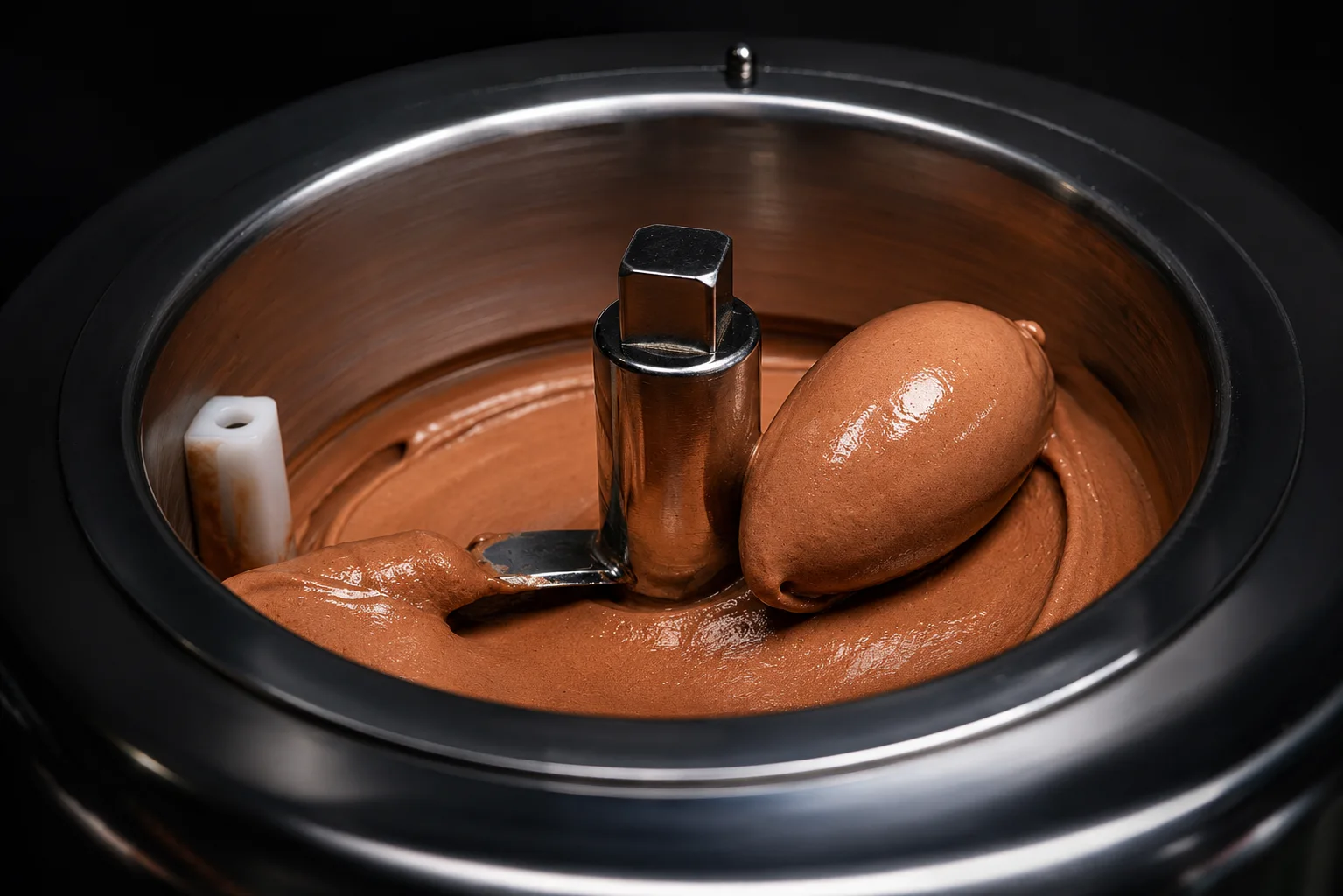
En la heladera, la mezcla se congela mientras se bate: así incorpora aire (el overrun) y los cristales quedan minúsculos. Sin heladera, bate enérgicamente cada 30-40 min mientras congela, durante las tres o cuatro primeras horas.

6

Endurece y conserva

−18 °C

Move the ice cream into an airtight container, filled to the top so it does not pick up frost. And let it harden rápido: coming out of the machine only half the water has frozen, and getting slowly to 80 % forms big crystals. Serve it at the temperature its PAC calls for.

Como hacer helado casero la maduracion
Paso 4
The step almost everyone skips

Ageing
lo cambia todo

Ese descanso en frío, a unos 4 °C, no es perder el tiempo: es lo que separa una mezcla que mantecas nada más hacerla de una que rinde de verdad. Pasadas las 72 h ya no mejora, y el riesgo de que coja olores de la nevera sube.

The result? A mix that whips better, takes in more air, comes out drier and copes far better with the temperature swings of the freezer. A homogenised, aged base keeps longer and looks better.

12-24 h
of resting in the cold

A 4 °C
nevera, tapado

Temperature crib sheet

Cada fase,
a su temperatura

Every temperature has a reason

Sticking to the ranges is not a whim: each one starts or stops something that ends up showing in the texture, the flavour and the keeping.

85 °C
Pasteurisation

Dissolve, hydrate and make the mix safe

4 °C
Chilling and ageing

Cold shock and 12 to 24 h of rest

−6 a −9 °C
Churning

Beating while freezing to take in air

−18 °C
Storage

Airtight container, full and with no air

PAC
Servicio

Whatever temperature your recipe says

With or without a machine

And if I have no
machine?

You can, and the why is the same: freeze fast and break the crystals. Only how you take in air changes.

The key idea

With or without a machine the goal does not change; what changes is how much work the machine saves you.

Como hacer helado casero paso a paso con heladera
With a machine

The easiest and the finest

With a freezer bowl or a compressor, the machine beats and freezes at once: it takes in air steadily and the crystals come out tiny. Pour in the aged, cold base and stop when it has the body of a firm mousse.

Como hacer helado casero paso a paso sin heladera
Without a machine

By hand, with patience

Put the base in the freezer and beat hard every 30 to 40 min for 3 to 4 h, to break the crystals as they form. Shortcut: freeze the base in an ice tray and blitz it in a powerful processor just before serving.

Pasteurisation

Dos formas,
one same goal

Two pairs of time and temperature to make the mix safe. Both work; we always use the first.

The thermometer is in charge

Without measuring there is no pasteurisation: 85 °C lasts seconds and you have to see it. By eye, you either fall short or cook the yolk.

The one we always do

85 °C unos segundos

It is the one in all our recipes: it makes the mix safer and it is over in a moment. If the mix has yolk, do not go higher, because above 85 °C the egg protein starts to spoil.

The other option

69 °C durante 30 min

Más suave con el sabor y con las proteínas, pero hay que sostener la temperatura media hora entera sin descuidarse. Sale bien, aunque en casa nosotros no la usamos en ninguna receta.

So nothing goes wrong

Errores frecuentes
in the process

Estos son los fallos que más se notan luego, en la textura y en cómo aguanta el helado en el congelador.

Si controlas esto, cambia todo

Temperatura, reposo, cantidad y conservación. Son cuatro cosas, y las cuatro se notan.

1

No enfriar rápido tras calentar

Between 4 and 65 °C bacteria multiply. Get the mix down to 4 °C as fast as you can (a bath of iced water).

2

Saltarse la maduración

Mantecar recién hecho da un helado basto y que cristaliza pronto. Dale sus horas de reposo en frío.

3

Mantecar poca cantidad o de más

Respeta el volumen de tu heladera. Batir de más recalienta y funde el aire ya incorporado.

4

Guardar en recipiente ancho y bajo

Cuanta más superficie al aire, más escarcha. Usa envase hermético y llénalo hasta arriba.

Siguiente paso

Ya sabes hacerlo.
Ahora, cómo afinarlo

You now have the whole process, from the scale to the freezer. The next step is fine-tuning it: learning to read what the ice cream tells you when it crunches, cloys or melts too soon.

Preguntas frecuentes

Does the process change if I use a food processor like a Thermomix?

La mezcla se hace igual: you weigh, heat and age it as always. What changes is the end: instead of churning it, la congelas en bloque y la trituras después. Eso obliga a formular pensando en ese triturado, ni muy dura ni muy blanda, y aun así la cuchara no queda como con una heladera. En la guía de maquinaria lo comparamos máquina a máquina.

Which homemade ice cream is easiest to start with?

El de vainilla. No por el sabor, sino porque es la receta base: si te sale bien la vainilla, tienes resuelto el esqueleto de casi todas las demás. Las de fruta parecen más sencillas y en realidad son más traicioneras, porque cada fruta trae su propia agua y su propio azúcar.

Can you make ice cream with just three ingredients?

Se puede, y la fórmula que corre por internet es nata montada con leche condensada. Sale cremoso porque va cargadísimo de grasa y de azúcar, no porque esté equilibrado. Como capricho funciona; como base para hacer otros sabores, no, porque no te deja margen para mover nada.

How long does it take to make ice cream at home?

Menos de lo que parece en trabajo y más de lo que parece en reloj. La mezcla se hace en 15 o 20 minutos, but then you have to chill it, age it for a few hours, churn it and let it harden. Plan it from one day to the next: almost all that time is waiting.

What is churning and why does it matter so much?

Es congelar la mezcla mientras se bate. Ese movimiento hace dos cosas a la vez: rompe los cristales de hielo según se forman e incorpora aire. Si congelas sin batir tienes un bloque; si bates sin congelar tienes una crema líquida. El helado está justo en el cruce de las dos.

Can I use condensed milk instead of sugar?

Puedes, y es una receta muy popular, pero ten en cuenta que la leche condensada no es solo azúcar: it also brings milk, fat and lactose. In other words, swapping it does not move one ingredient, it moves four. If you do it, run the recipe through the calculator.

Why is my homemade ice cream not like the one from the shop?

Almost always for two things you cannot see: the equilibrio de azúcares, que es lo que decide si queda cremoso o duro, y la temperatura de servicio. A home freezer sits at −18 °C and ice cream is eaten between −12 and −10 °C. Just taking it out ten minutes earlier makes the difference.

Start here

Aprende a hacer helado
paso a paso

Te mandamos las recetas y las guías técnicas nada más publicarlas. Sin spam, solo helado bien hecho.