
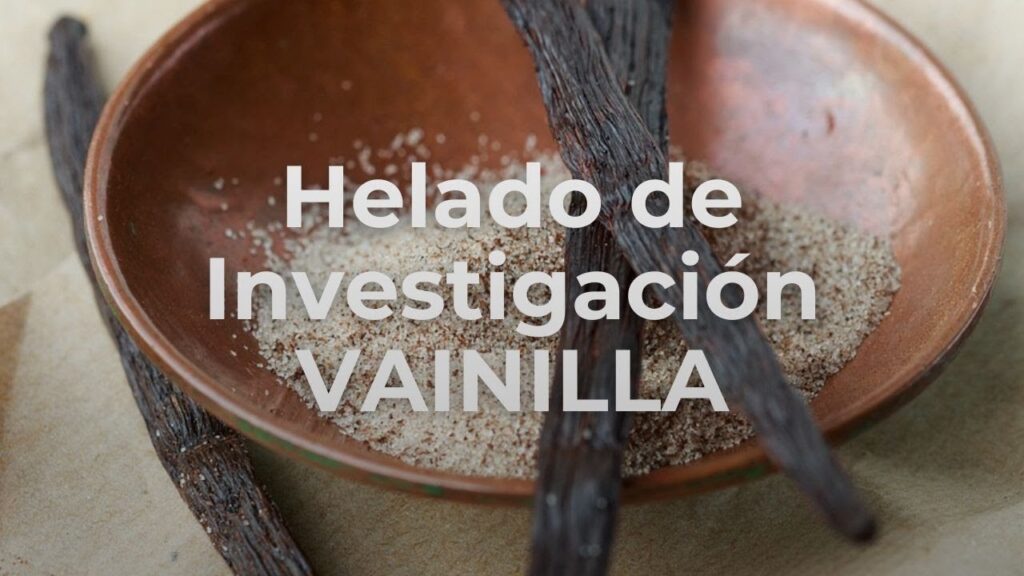
Eight ice cream shops in Gijón. Eight tubs of vanilla bought on the same day and tasted blind, without looking at the colour and without taking texture into account. The result: only two actually tasted of vanilla. Here's the video, and here's what we learned along the way.
Why real vanilla is expensive
Vanilla isn't manufactured: it comes from a flower that opens only once a year. It takes patience, a very particular climate and skilled hands to pollinate it one by one, and that's why it's one of the most expensive ingredients in the world. Depending on the grade, a pod goes from 1 € each.
One euro. That's the figure that gives the whole video its point: the question isn't whether an ice cream shop can afford real vanilla, but how many are willing to put that euro per litre into the main ingredient of the ice cream they advertise on their sign.
Because as soon as the magic word appears, everything else appears too: vanilla as powder, as paste, in ready-made ice cream bases. Sometimes it's on the label as flavouring. Sometimes not even that.
How the tasting was done
We went to eight of the best-known ice cream shops in Gijón. All of them advertise vanilla on their signs. We're not going to say which, because the point isn't to single anyone out: it's to show what's there.
- Blind. Every tub was stirred before tasting so as not to be swayed by the colour. A very yellow ice cream looks more like vanilla, and needn't be.
- Without judging texture. The eight samples were deliberately treated badly: transported and frozen at −18 ºC. After that abuse, judging texture wouldn't have been fair to anyone.
- With a plant. Among the samples we slipped in a tub of homemade vanilla ice cream, to have a known reference inside the tasting.
What came out of it
Of the eight, only two tasted of vanilla. The rest split between several that tasted of leche merengada — a good flavour, but not the one on the sign —, one with an odd hint of alcohol and another that simply tasted of nothing.
The plant was spotted first time, which is hardly a feat when you've been making that recipe for years. And an uncomfortable conclusion remained: the best of the ones that weren't vanilla turned out to be a catering base of the kind used straight from the tub.
The detail that gives it away: the specks
Here's what you can apply next time you're standing in front of a display case. All those ice creams had dark specks, the little dots we associate with a scraped pod. But placed side by side it's perfectly clear they aren't the same specks: those from real vanilla look different, are a different size and are spread differently.
Specks being there doesn't mean vanilla is there. At most it means someone wanted it to look that way.
So then, what do I do?
The healthiest thing is to stop trusting the sign and the colour, and start with smell and taste: real vanilla is floral and lingering, it doesn't stop at sweet. And if you'd like to stop depending on what you're sold, the best answer is to make it yourself, which incidentally comes out cheaper than it looks when you use the whole pod.
And if you want to understand where that price comes from and why the good stuff is worth what it's worth, it's worth reading how it's grown and cured, told by someone who has been going to Madagascar for fourteen years to find it.
This video is a parody, but with a very serious aim: that the consumer knows what they're being sold, and that those who know how to do it properly are encouraged to do it properly.