
Today we're delighted to have Aitor Otin with us, an ice cream maker with no ice cream tradition behind him who has reached the top of the trade in this country.
Hello Aitor, a real pleasure to have you here on haztuhelado.com.
We don't know each other personally, but we've heard a lot about you and all of it very good. There must be a reason! We'd like to know a bit more about you and your project «Elarte».
01First generation
From what I've read about you, you're the first generation — unusual in the ice cream world, which normally comes out of a family tradition. How did all this come about?
Mariajo and I worked in catering; we had a small café that we opened in 2002 in Bierge, a village of 80 people in the Sierra de Guara, which is fairly touristy.
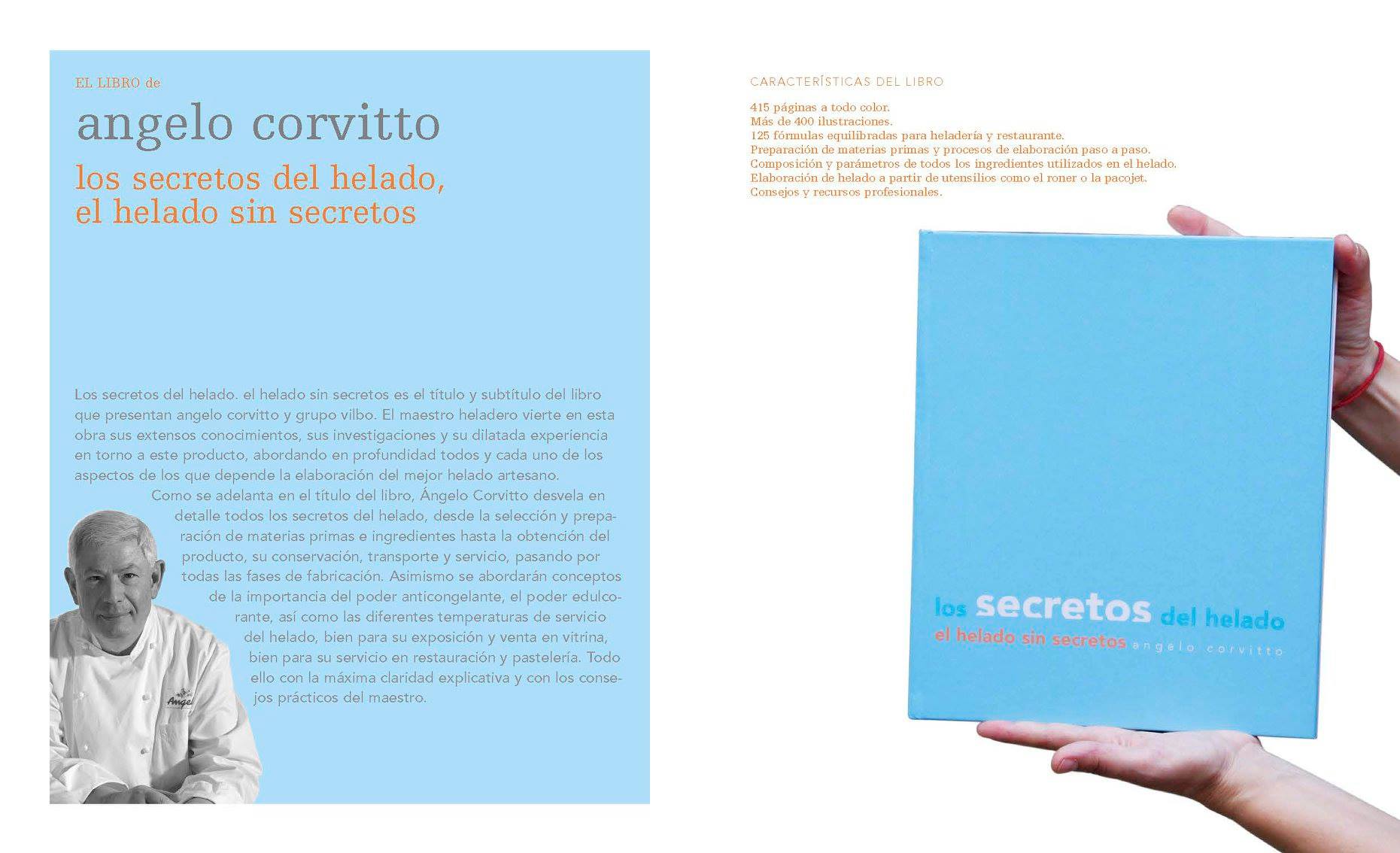
On the whole it went very well, especially in summer, until the 2008-2010 crisis hit and things started to flag. With fewer customers we had more free time, and for my birthday, on 26 August, Mariajo gave me a book on making ice cream that came as a supplement to the magazine «HOLA». Now that you're in it you realise it doesn't work and was no use at all, hahaha.
At the time we worked with that book for a while, especially over the winter when we closed the restaurant seasonally. We did a few tests at home and something did come out; that got us hooked and we started looking things up online. We realised the world was fairly closed: people explained nothing, we could see that many recipes were passed down through generations without much idea of why those ingredients were used and in those proportions.
Testing away, we got drawn in bit by bit; we saw that one ice cream came out harder, another softer, all without knowing what POD or PAC were. We always say this is a hobby that got out of hand, hahaha.
Start hereAre you in the testing phase too?Our guide to making ice cream at home, step by step and with no mysteries.See how it's done →The following year we were already making better ice cream; the year after that we bought a small display case to serve the café's customers and set up the ice cream workshop.
By 2012 more people were coming for ice cream than for the café; the restaurant was doing worse and worse. We had studied Corvitto's book and done a course with him, we'd run many tests, we had flavours that worked very well — you could say we already had a certain amount of knowledge. So in 2013 we decided to leave the restaurant and try our luck in the ice cream world more seriously.
I identified with you a lot when I saw you started with Corvitto's book; that book is what got me hooked on ice cream. It's a book in which, with experience, you come to see there are errors, but it's very brave for bringing to light something nobody had told.
How did that book change your view of ice cream?
It's clear that what the book says and the software it offers don't work 100%.
We're also a bit exceptional, because we don't make the ice cream on the day. To give you an idea: in September we were making ice cream for a restaurant we thought would use it; now, in February, we're selling that ice cream and it's perfect.
Corvitto surely can't conceive of ice cream not being sold on the day or in the same week and being sold six months later; it's an exceptional case, but that's how we work.
Right now we have 80 flavours in stock ready to collect: if a customer asks me for a flavour, they have it the next day.
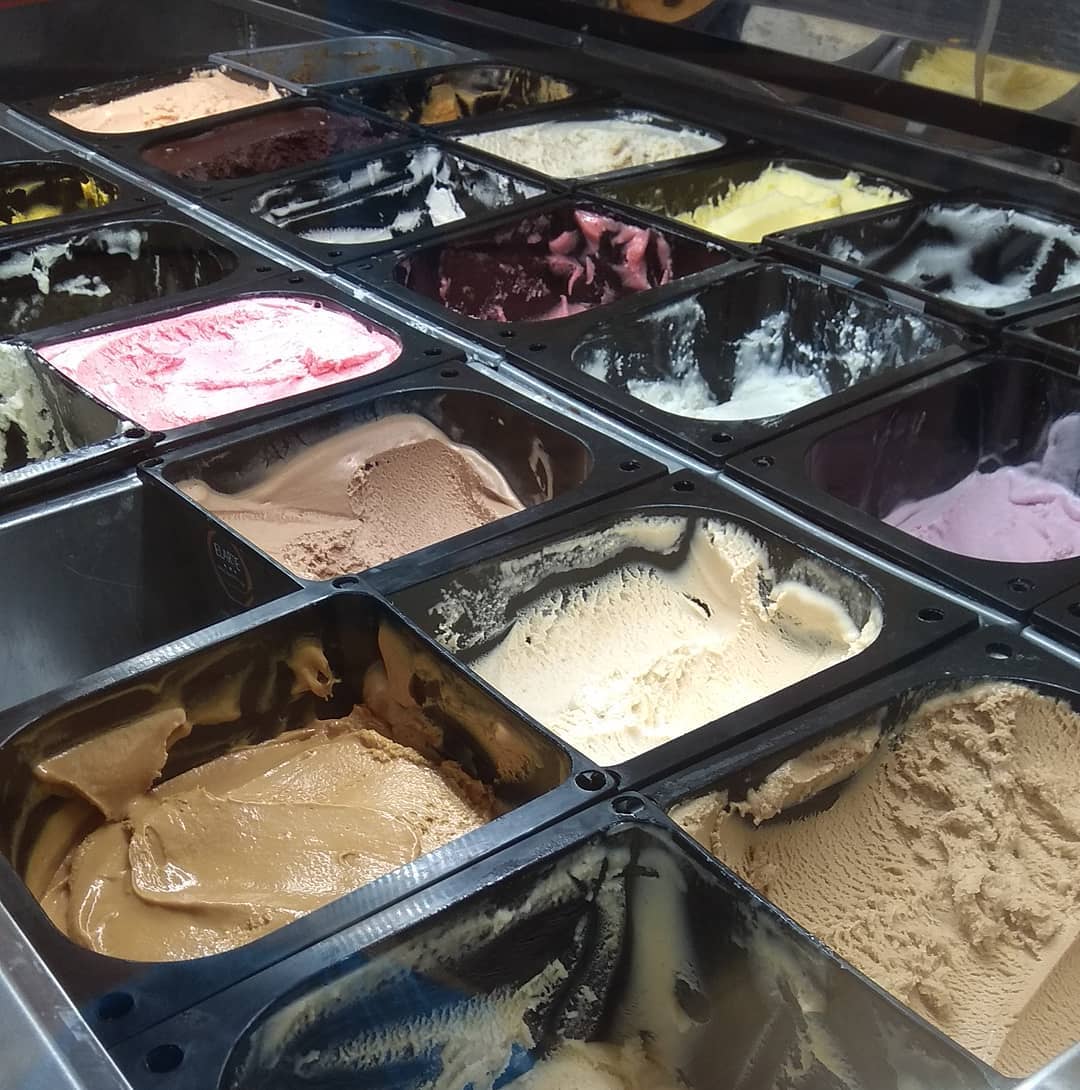
Our idea isn't to make 20 litres of ice cream and sell it, but to make 150-180 litres and sell it little by little; in summer it'll go every 15 days and in winter every 3 months.
With this way of working we had to change quite a few things from Corvitto's book so the ice cream would stay in perfect condition for that long.
If we sell a tub to a restaurant, say, and they use half of it for a dessert, when they come back to it months later for another dish we want them to find it in perfect condition; so we work differently from the conventional shop, which usually has the workshop at the point of sale.
We have the workshop in Bierge and the shops are elsewhere; so we know when we make the ice cream, but not when it will be sold. We aren't an ice cream shop, we're a workshop that makes ice cream.
02Elarte and its model
«Elarte»: how did that name for the shop come about?
The name Elarte is a play on several words: on one hand «helado artesano» (artisan ice cream), on another «el arte de hacer helados» (the art of making ice cream), and on another «helarte de frío» (to freeze with cold). It's a name we liked, we found it funny, easy to recognise and above all strongly associated with ice cream.

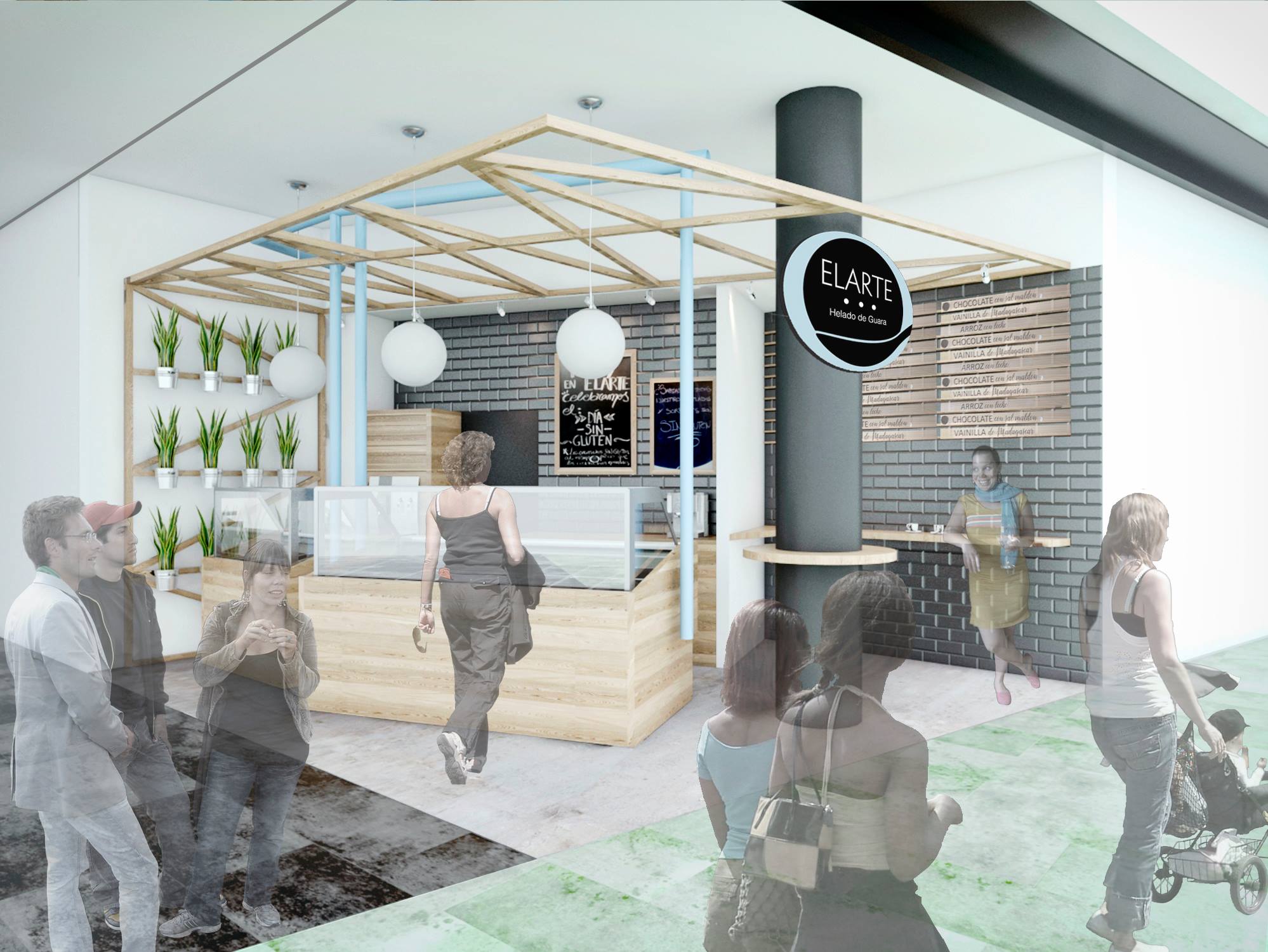
I've seen that you have a franchise system and have opened two more «Elarte» shops in Jaca and Madrid. Are they yours or a franchisee's? How does this business model work? How are they doing?
We started as an ice cream workshop for the catering trade; at no point were we thinking of selling to ice cream shops — we felt we'd be left out because we were generally more expensive.
Ice cream shops normally bought or made with semi-finished products; we're talking about a litre of ice cream with semi-finished products which, counting labour, comes to 1 € — with two ice creams sold the five-litre tub was paid for. Commercial brands like Frigo and Camy also sold to them very cheaply, and we couldn't compete with those prices, ours costs far more; that's why we didn't think we could work in ice cream shops.
We make the vanilla with pods, the strawberry with strawberries, we do things differently, always designed for restaurants because they have a much bigger sales margin than a shop. You go to a restaurant and eat two scoops of good ice cream, they charge you 6 € and you pay it; in a shop that costs more.
We make the vanilla with pods, the strawberry with strawberries.
We started working for restaurants and our business model had to adapt to them; that's why we formulate all the ice cream at −18 ºC, because that way the restaurant takes the ice cream out of the freezer and it's perfectly scoopable; they can also store it next to the croquettes — restaurants are usually a mess, mainly because they have no room.
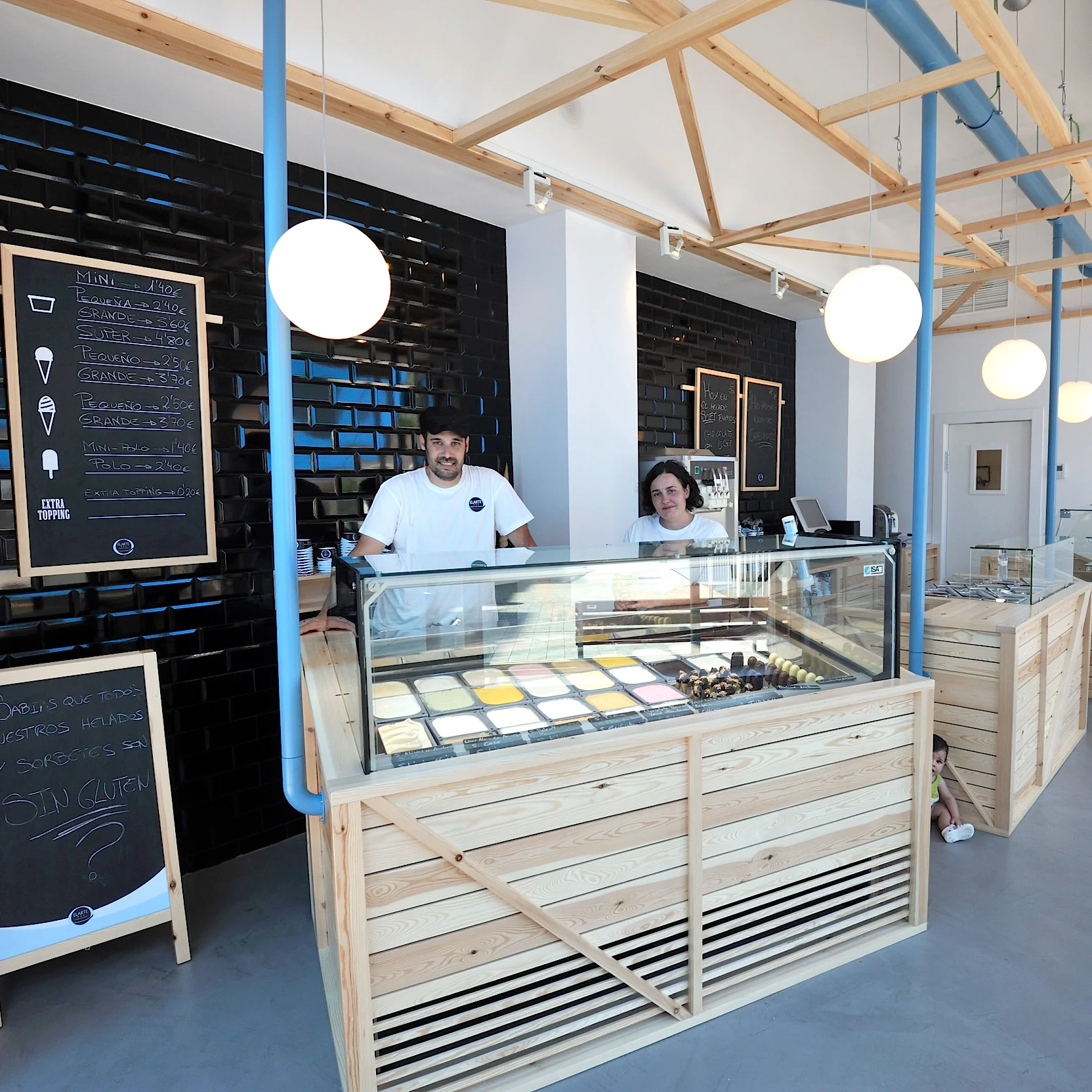
Three or four years after setting up the workshop we saw it wasn't going well, but that people liked it: we made the ice cream with real ingredients and that appealed a lot. That's when we decided to open the first shop in Huesca.
We only open the Huesca shop from April to October and it works very well in summer, people are very happy, we have many regulars, a lot of ice cream to take home; but we're in a very central spot and pay a lot of rent; next year the lease ends and we still don't quite know what to do.
We also have another franchise in Jaca, a very touristy place; it runs flat out in August and they've got it very well set up because they have two businesses: in summer they set up the ice cream shop and in winter they take it down and swap it for a completely different business.
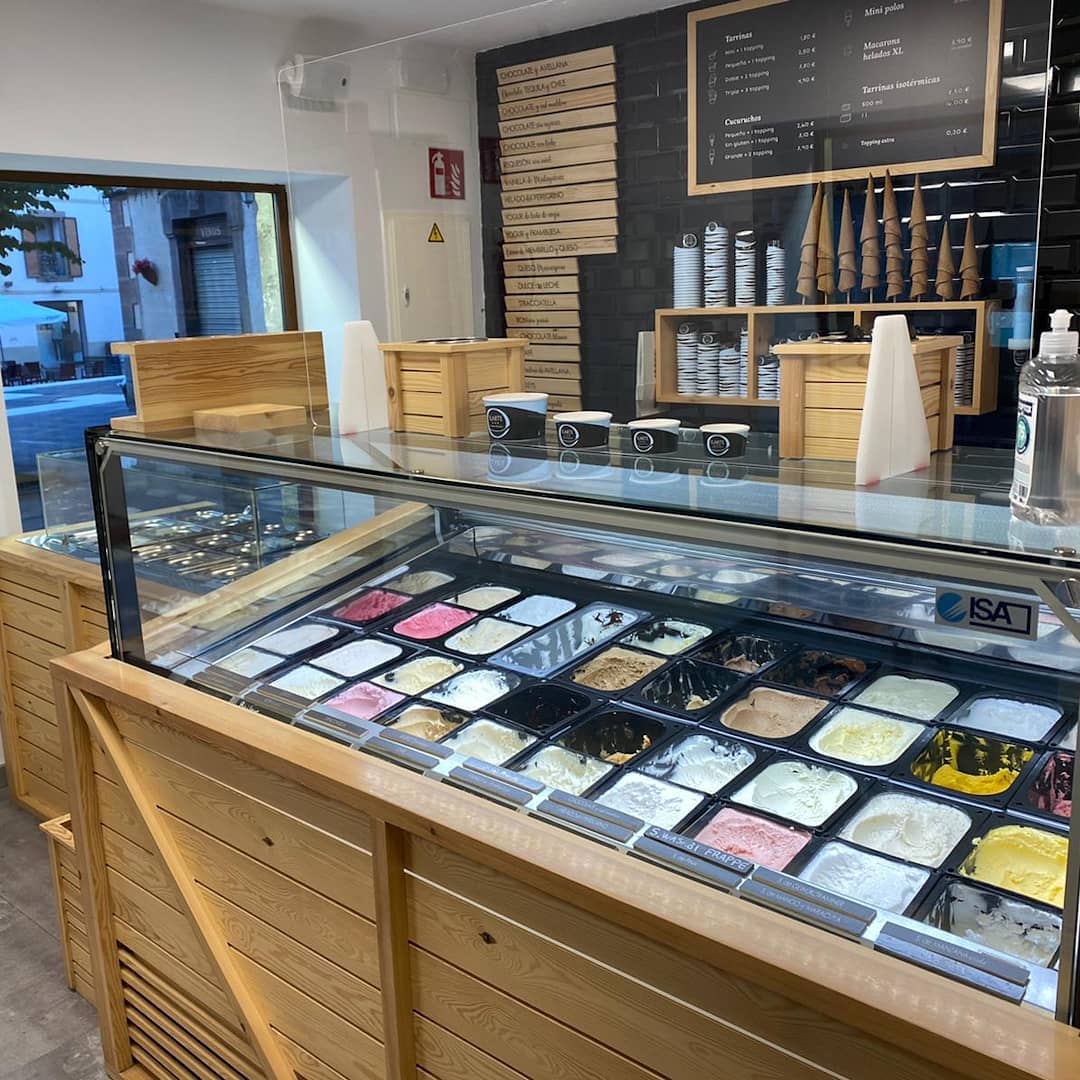
We closed the Madrid shop because we were in a shopping centre that was a franchise, we paid a lot of rent and it wasn't going well; the centre told us what we had to do, imposed opening hours and so on.
Now we have another shop in Benasque, next to Cerler; it's a very expensive place and people don't mind paying a bit more for ice cream; it was working very well in summer. The shop isn't ours, we sell them the ice cream and they sell it under their own name.
We have the same in Zaragoza, on a very good street; it's called Piccola Italia, it's open all year and it's the same: we sell them the ice cream and they resell it saying it's ours.
On franchising, they get in touch with us; we advise them on the premises, we do the shop design and hand it over turnkey. We sell them the ice cream cheaper than to anyone else and they pay us a fee. The ice cream reaches them perfectly packed, with the toppings separate; we advise them, we create flavours together and so on. It's working very well because it's a small investment, you don't need pasteurisers, batch freezers and so on, the brand is recognised and people like it.
Heading up to the Pyrenees?Elarte is in Huesca, Jaca and BenasqueFind them, along with the other genuine ice cream shops, on our map.Open the map →What strikes me most about you is how you've steered ice cream towards another of our great passions, gastronomy. Why did you take that route rather than the usual sweet one?
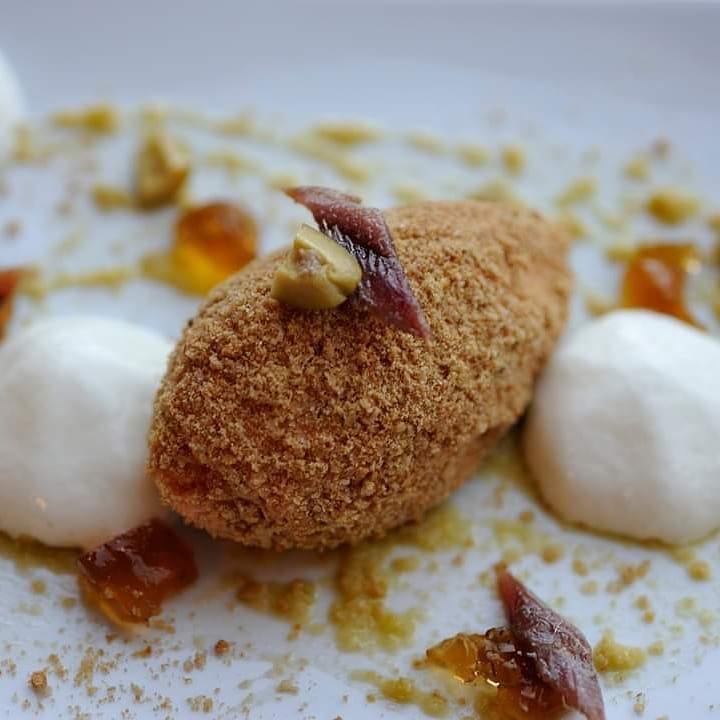
Our business model, as we said, is based on restaurants; when we take them ice cream to try, we try to surprise them with savoury flavours, like pickled mussels, olives with anchovies, mustard, foie mi-cuit, ajoblanco with a touch of vinegar, pesto with basil and pine nuts, and so on. Honestly, they're excellent and they surprise them. When they try those, which are so good, they think the sweet ones will be too — chocolate, vanilla — and end up buying. In the end sweet ice cream is 98% of the business.
In the shop we do the same: we have around 32 flavours and always one or two as a hook, with which we try to surprise; we let people taste without saying what it is and they're amazed. In the end what gets bought is the sweet ice cream, but that person will tell someone else and there's a lot of word of mouth.
Do you currently do far more business with restaurants than with the shop?
Right now we're at about 50% each; restaurants consume all year, the shop from May to October, and August is a boom. At year end it comes out roughly the same, just spread differently.
You run tastings in the shop for small groups; I think it's a brilliant idea, I wish we had something similar here. How did the idea come about? How are they going? Do you do them outside high season or all year? Are people developing a palate?
The idea came up because we often make exclusive ice creams for a restaurant, or tests that end up sitting there; besides, Huesca city isn't a tourist town, we have about 50,000 people, we always have the same customers and they keep asking for new flavours.
In the quieter seasons we used to run tastings, people even asked us for them, although we haven't done them for a couple of years now because we have a lot of work and, if we had to drop something, it had to be the thing that wasn't making money at the time.
Quite a few people came, they'd even sign up from one to the next; we did them in the Huesca shop, a small place, in groups of 10-14. We gave everything blind, without saying what it was, and it was great fun.
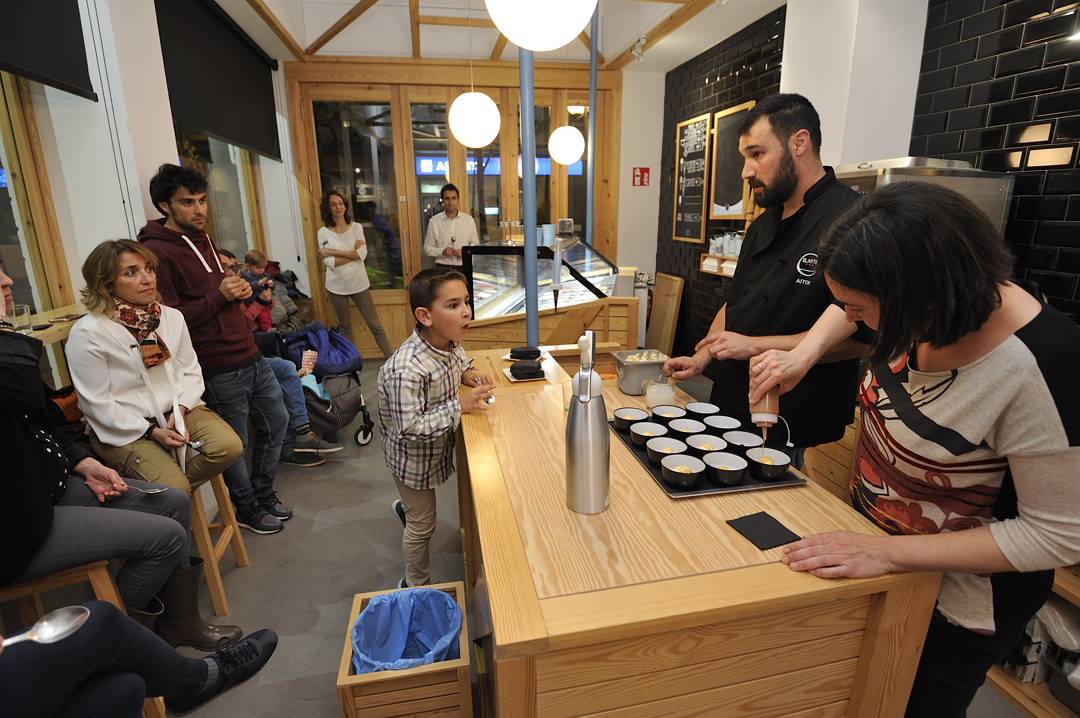
We work a lot with seasonal produce; in September, for example, we'd do the star flavours of summer, which they usually guessed because they're the easiest to recognise. In October we'd do autumn flavours — chestnut, pumpkin, baked apple — and later on wine sorbets, cheese and truffle ice creams.
In the end it was fun: we're always in the workshop and this gave us contact with people to see what they liked and what they didn't. With COVID it's impossible now, but the idea is to keep doing it.
People, as you say, do develop a palate: they can tell real vanilla from an essence perfectly. Our customers often come from the coast and tell us they'd been looking forward to coming back to try a real ice cream, because in tourist spots you only find semi-finished products.
Our customers come from the coast and tell us they'd been looking forward to trying a real ice cream again.
As an anecdote: this December a lad from Madrid who was skiing in the area came into Huesca on purpose to visit the shop, because a friend had recommended he try the chocolate with salt. So yes, people do pick up the difference between a good ice cream and a botched one.
03His ice creams
Which ice cream do you sell most of?
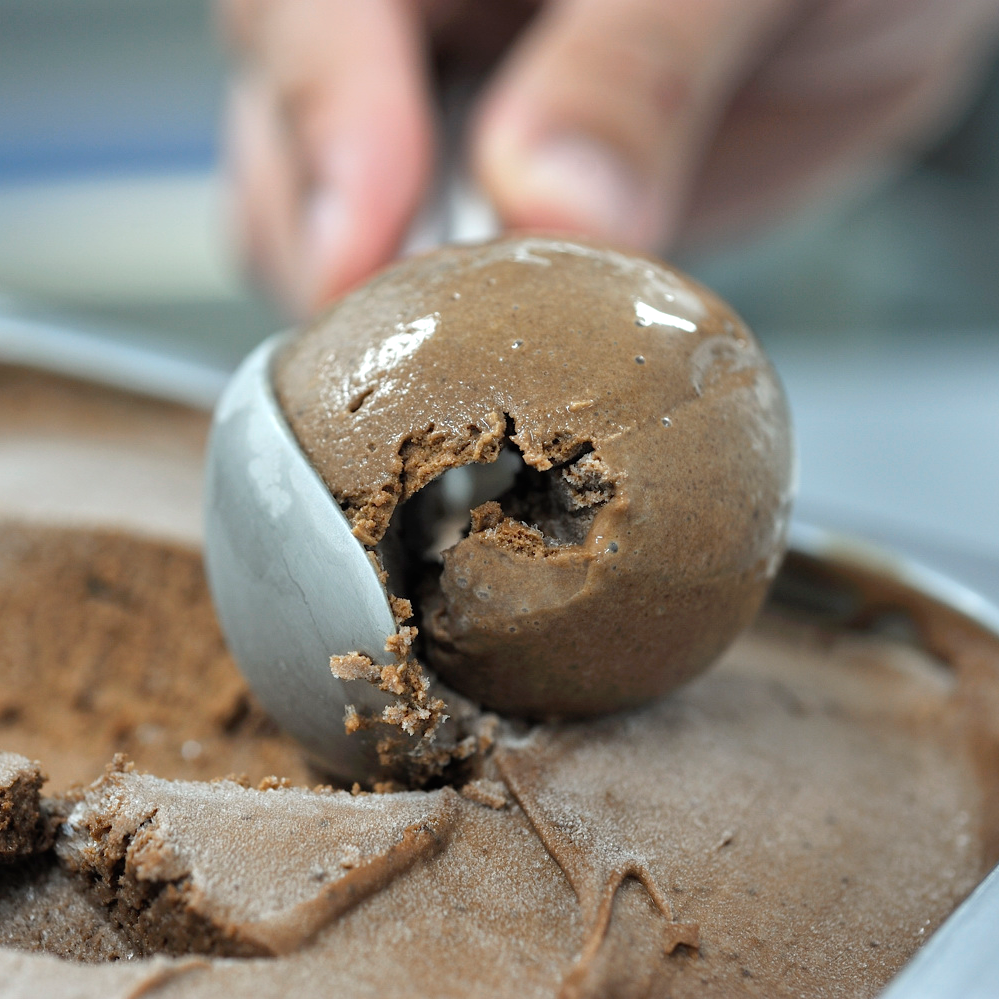
The classics: stracciatella, chocolate with salt, vanilla, yoghurt, strawberry, lemon — nothing out of the ordinary.
Which is your favourite ice cream?
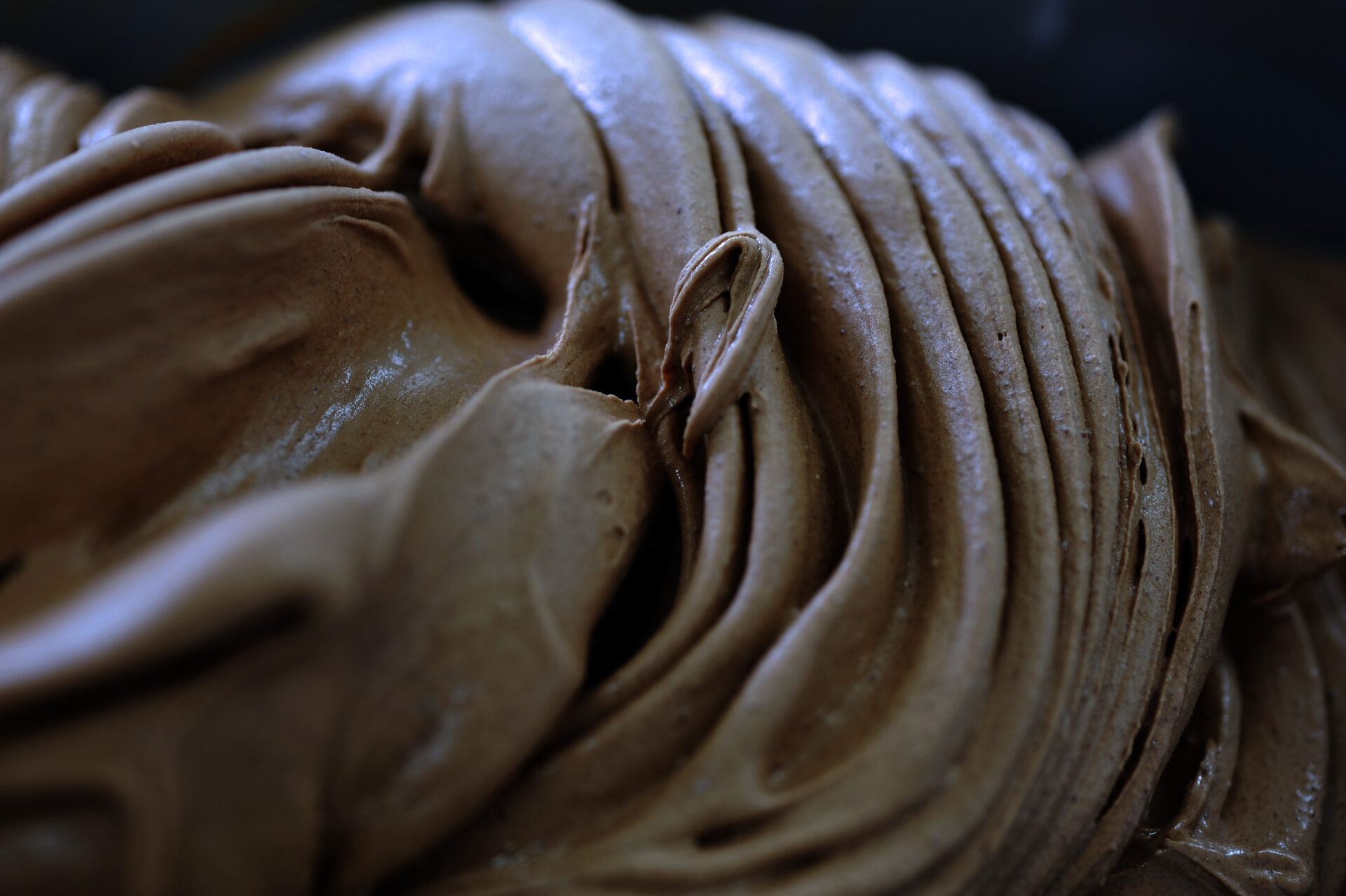
The hazelnut praline; it's an ice cream nobody in the workshop wants to make and it always falls to me. You have to make a caramel, roast the hazelnuts, run them through the conche (which Yon likes so much, heh), make the praline. It's the one I like most for the flavour and for the work behind it, which only the person who makes it knows.
What's the strangest ice cream you've thought of making?
At the beginning everything we set out to do seemed strange; many came about because when we go to restaurants we offer to personalise flavours for them.
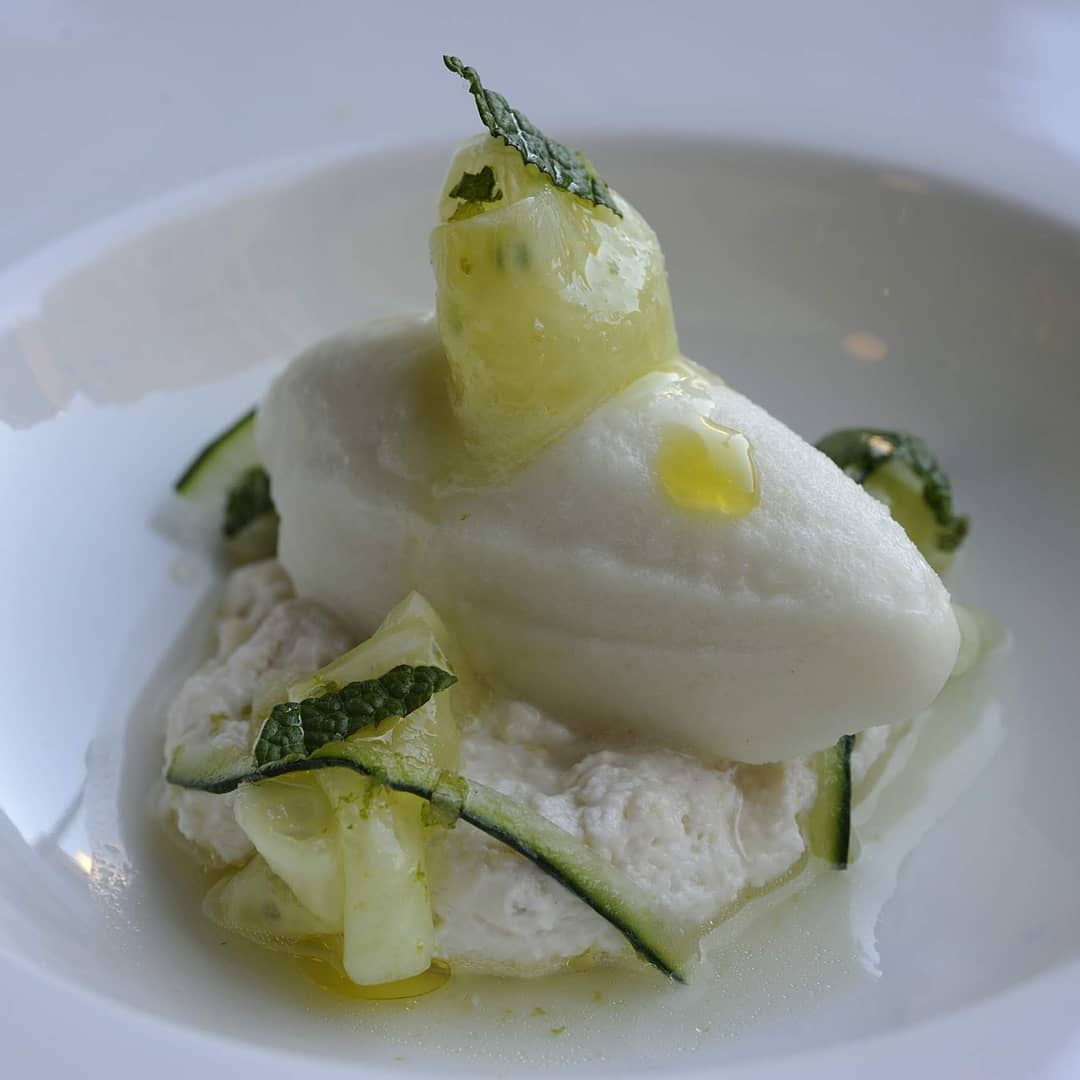
Many flavours came out of that: pickled mussels, cucumber with a touch of vinegar and so on. At first they surprise you and then they work pretty well. What doesn't work at all is ice cream with meat, chorizo, sobrasada, mince and so on. The brain associates that so strongly with eating it hot that cold it doesn't go down at all.
Which ice cream you wouldn't have bet a penny on surprised you most afterwards?
Perhaps the pickled mussel one; it actually sells very little, to restaurants practically none, in the shop someone occasionally takes half a litre home for a salad.
What this ice cream has is the raw material: it's tinned pickled mussels, the pickle is spicy, we put in 50% mussels with their oil; with the whole mix the colour is really ugly, the mussel doesn't emulsify all that well, but it has a very recognisable, pleasant flavour. Whoever tries it tells someone else, and that's the hook we have.
Which dish made by a restaurant with your own ice cream has impressed you most?
The dish that surprised us most was a rice black-pudding sponge, cod and roasted pepper sorbet. It was very good, very simple, with flavours that went together very well, and very surprising. It was for a tapas competition held in Huesca, which it also won.
04Garden, formula and formats
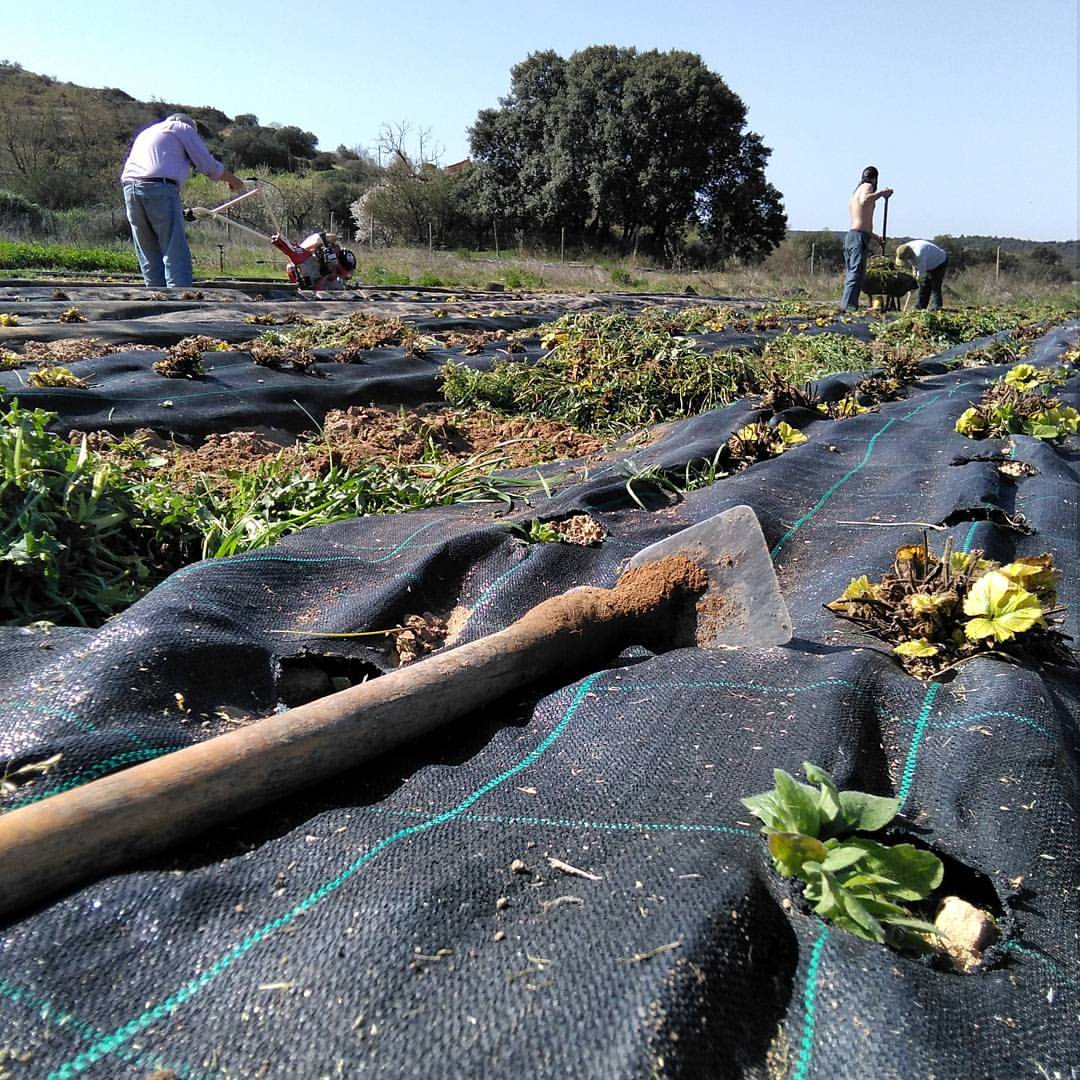
We've seen you have your own vegetable garden for the frozen creations, everyone's dream, being able to use your own produce. How do the ideas for a savoury ice cream come about? How do you approach formulating with these products? Is there a lot of trial and error or do they usually come out right first time?
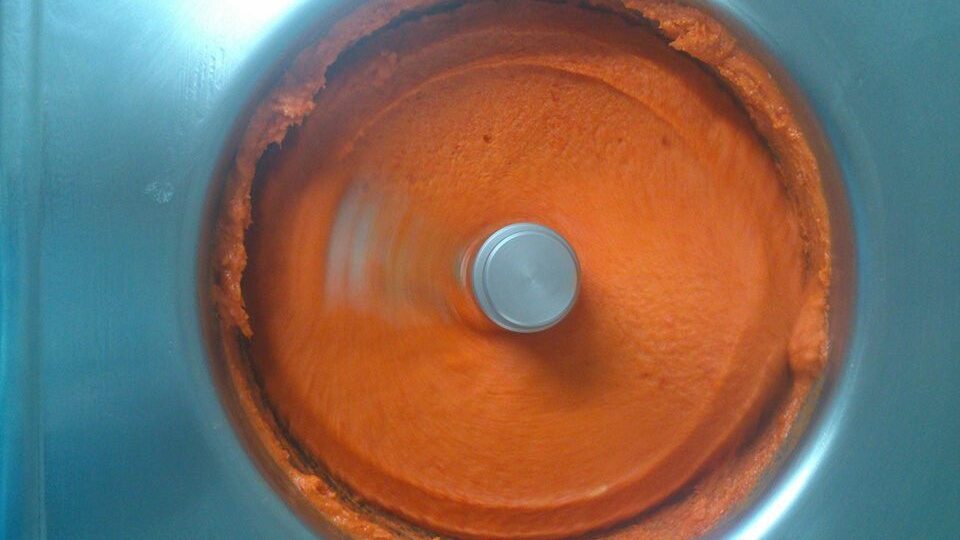
We started with easy ones: pink tomato, roasted pepper, gazpacho, cucumber. Then it's often the restaurants that ask for specific things, as happened with the pickled mussels, olives with anchovies, foie mi-cuit, smoked aubergine, different cheeses and so on. Most come about that way, to give the restaurateur a hand.
We use these ice creams as a way in, to then sell them the vanilla, the chocolate and so on that we already have made.
We don't charge restaurants extra for making them a special flavour, and we keep the flavour exclusive to them until they change the menu. In the end it's work and quite a few tests you've had to run to develop a flavour of which you might only sell 5 litres; so, since the work is done, we then see whether we can make more of it elsewhere.
There are many products, especially vegetables and fruit, that take very high amounts: the highest amount of tomato, the highest amount of watermelon. In the watermelon one, for instance, we use only the watermelon water, it has 75 or 80% watermelon; the same with cucumber: you can put in 60% cucumber the first time you make it and it'll come out fine. These are products we usually eat raw and they don't fail.
There are other products like cheeses, spices, ginger, cardamom where you have to be very careful because with a little you've already overdone it, since they're very powerful flavours.
IngredientsHow much product can an ice cream take without breaking?What role each ingredient plays in the formula and how far you can stretch it.See the ingredients →To know how to formulate it, in the end with Corvitto's software, the experience of the years and how similar some products are to others, you get it roughly right and then adjust.
We usually see your sweet ice cream recipes with quite a high POD compared with other shops around Spain. Are you sweeter-toothed up in Huesca? Heh.
Maybe so, heh; we're certainly not Andalusians. We keep the POD in custards between 17% and 20%, and in sorbets «we're a bit sweeter, a bit funnier», between 20 and 22%. Honestly, I didn't think we were as sweet as you say.
CalculateIs a POD of 17 to 20% a lot or a little?The calculator balances sweetness, fat and cold the way a professional does.Open the calculator →Then we put salt in all the ice creams, that's life: it takes some sweetness away and brings the flavour out a lot.
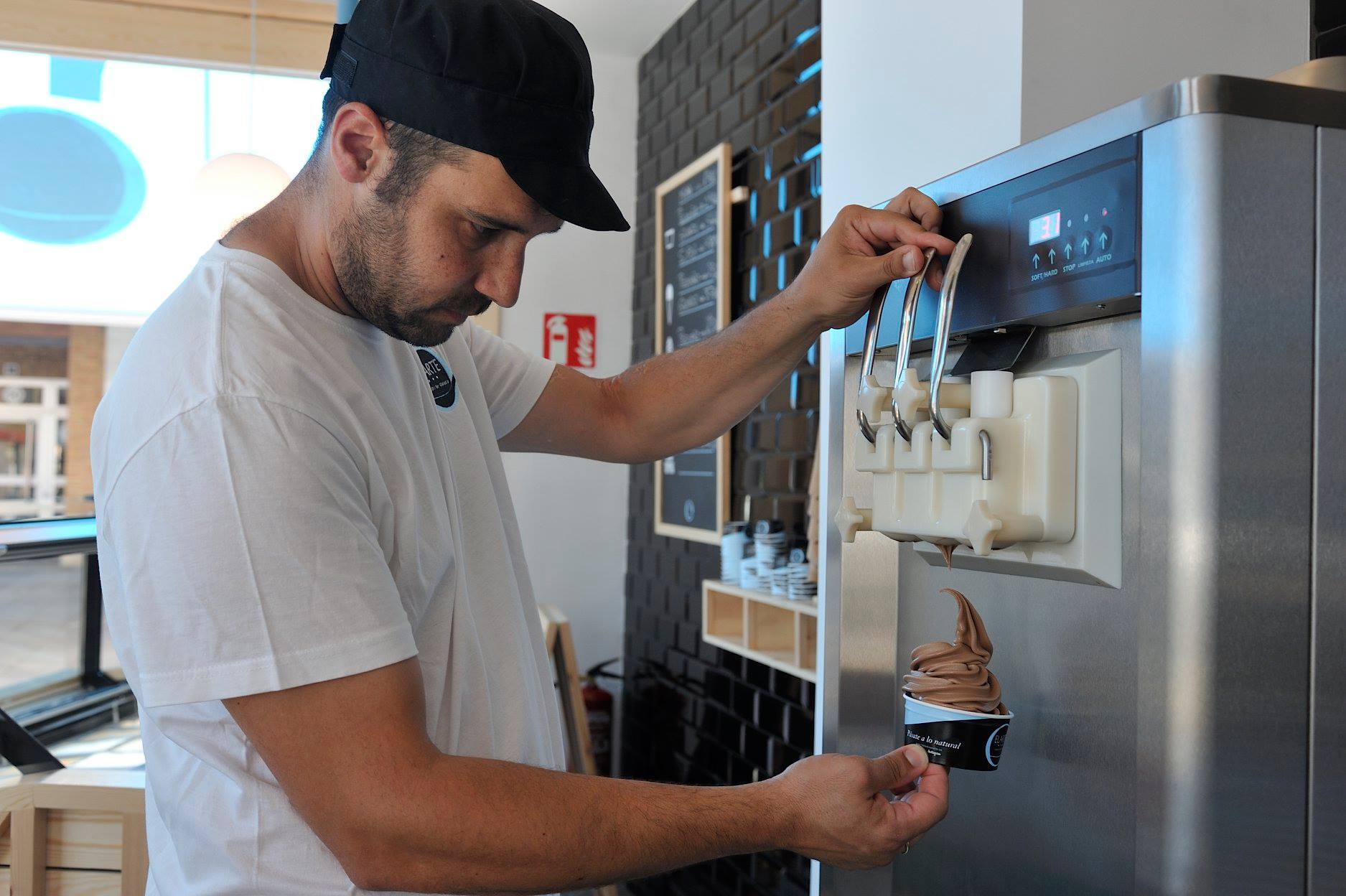
We see you also work with a product that's unusual in ice cream shops, soft serve. How is it being received? Do people expecting the McDonald's one appreciate that this is something else? What's the formulation like for soft serve?
That was a bet I had in my head; Mariajo was against it, but I said yes. In the end it doesn't work as well as I thought; soft serve has good sides and bad sides.
The good part is that it's made in the shop itself and the machine isn't excessively expensive.
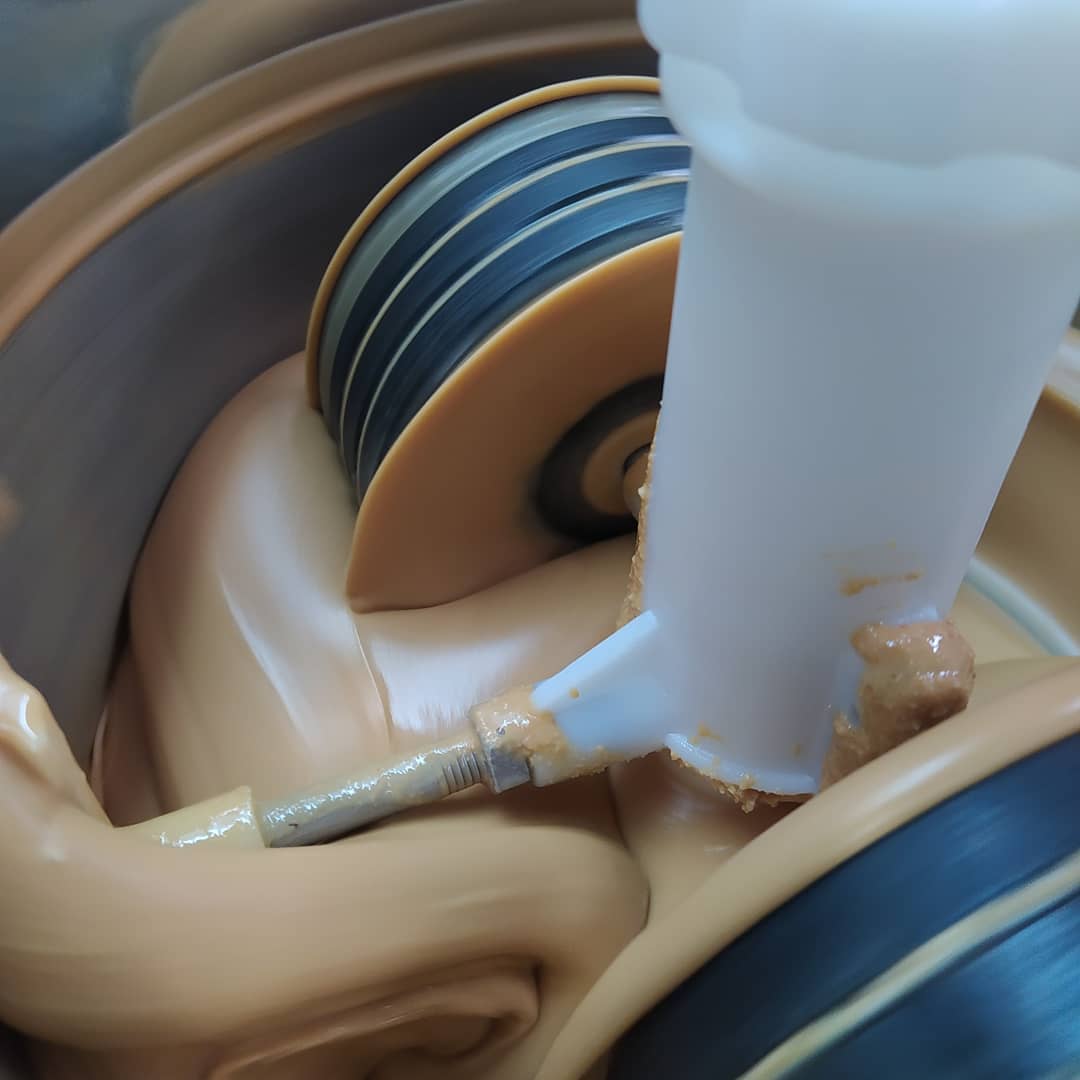
Set up your workshop at homeWhich machine do you need to start?We compare compressor and frozen-bowl machines, with their pros and cons.See which machine you need →The bad part is that a lot of people still don't know what it is; they know the McDonald's one and the yoghurt one from the beach, but they don't quite get this.
We change that ice cream twice a week, we make 4 or 5 litres of each flavour and by law they last 72 hours at most.
There are people who come to the shop specifically for a soft serve; they don't care what flavour it is, they're customers of that kind of ice cream because they like the taste and the texture.
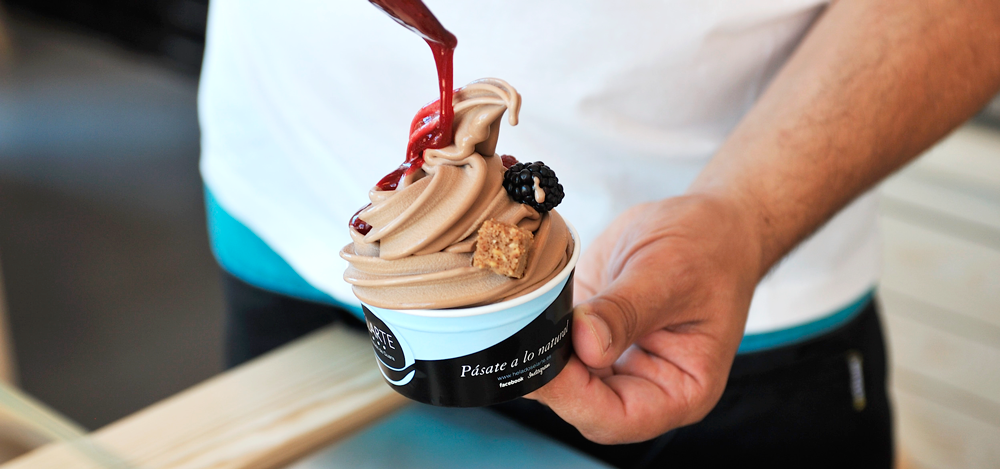
The formulation is a bit different; at first we made mistakes putting in too many solids, as with the mascarpone one; vanilla doesn't work well because it needs several days for the flavour to settle, since it's infused. It works very well for sorbets and for chocolate, always adjusting the solids to 30%.
It doesn't have to be very well formulated either, as long as it has stabiliser, because it's eaten straight away; what matters is that it comes out of the machine well. Sometimes we've tried keeping a little and after a week it was off, because it takes in a lot of air.
The machine has 3 taps: one for a flavour, another for a second and the third combining both; so we usually do combinations like lemon and mandarin, coffee and Baileys, white and dark chocolate, yoghurt and raspberry, yoghurt and mango, and so on.
We've seen some very smart coupes you serve in the shop with very appealing flavour combinations. How are they doing? What flavour mix do you recommend if we come and visit?
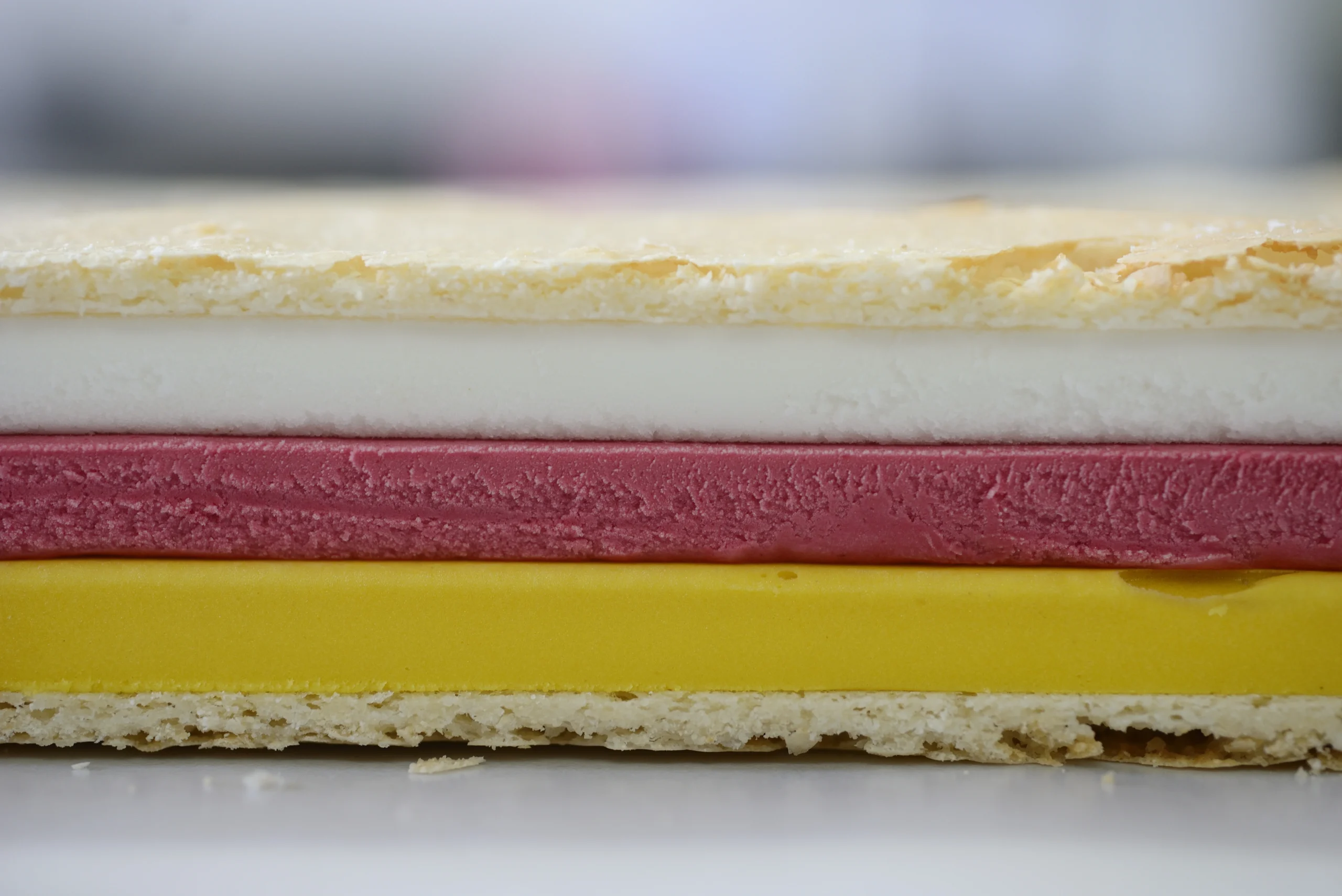
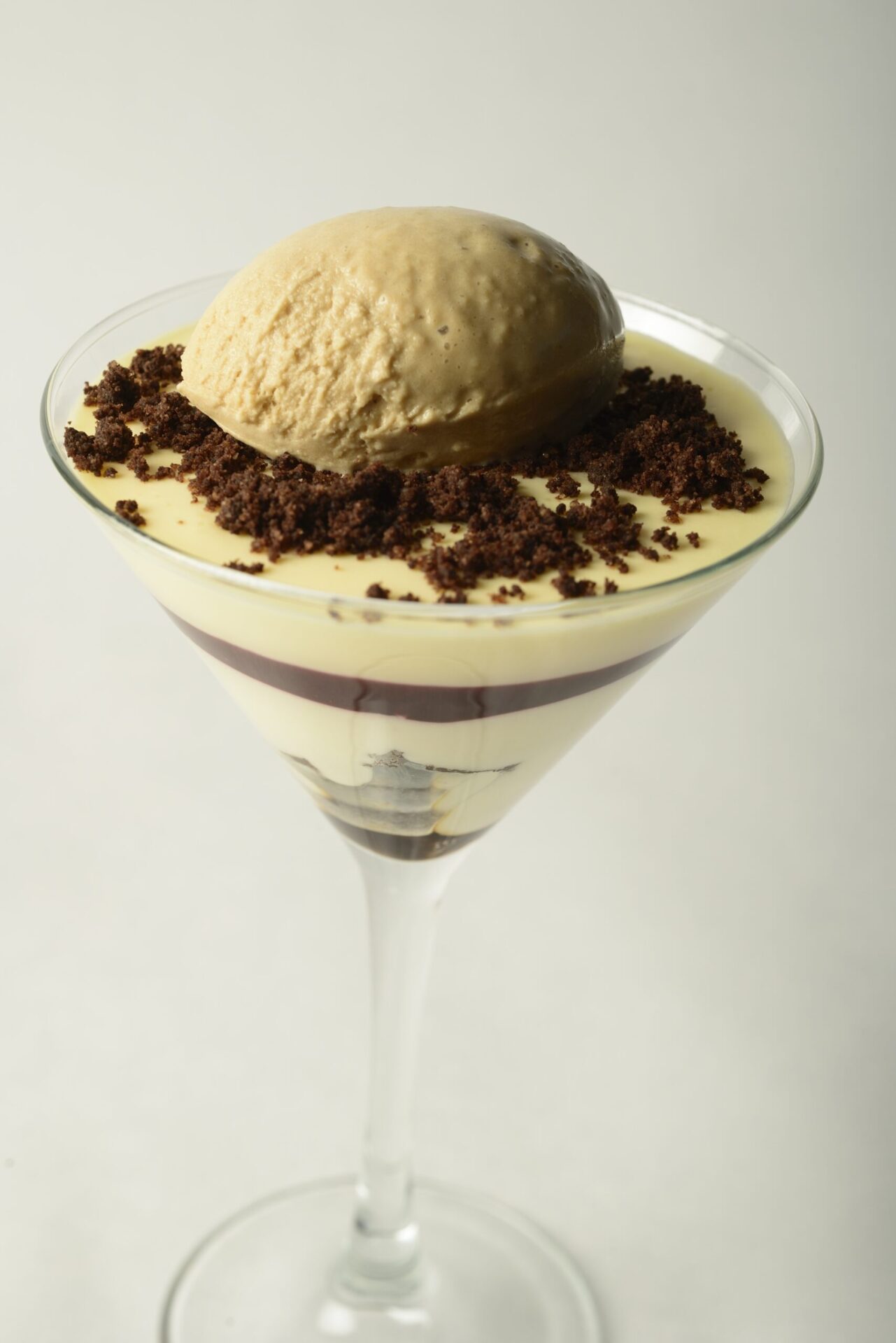
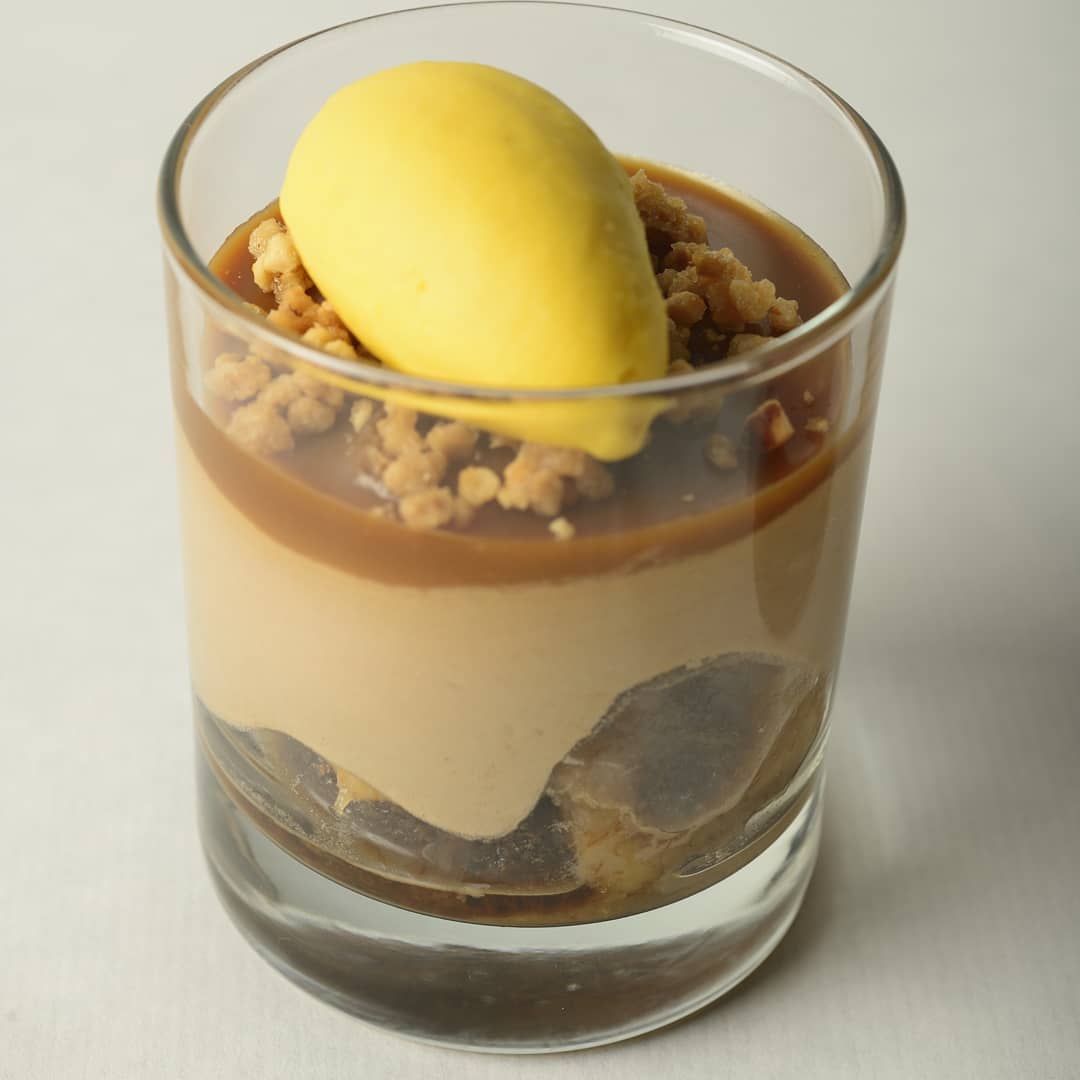
They're coupes that combine pâtisserie and ice cream very well. We prepare them in the workshop: they're pastry coupes with different layers, sent frozen to the shop, where they're thawed and finished with an ice cream or sorbet, and some with a crumble.
We have quite a few kinds; here are the combinations that went down best:
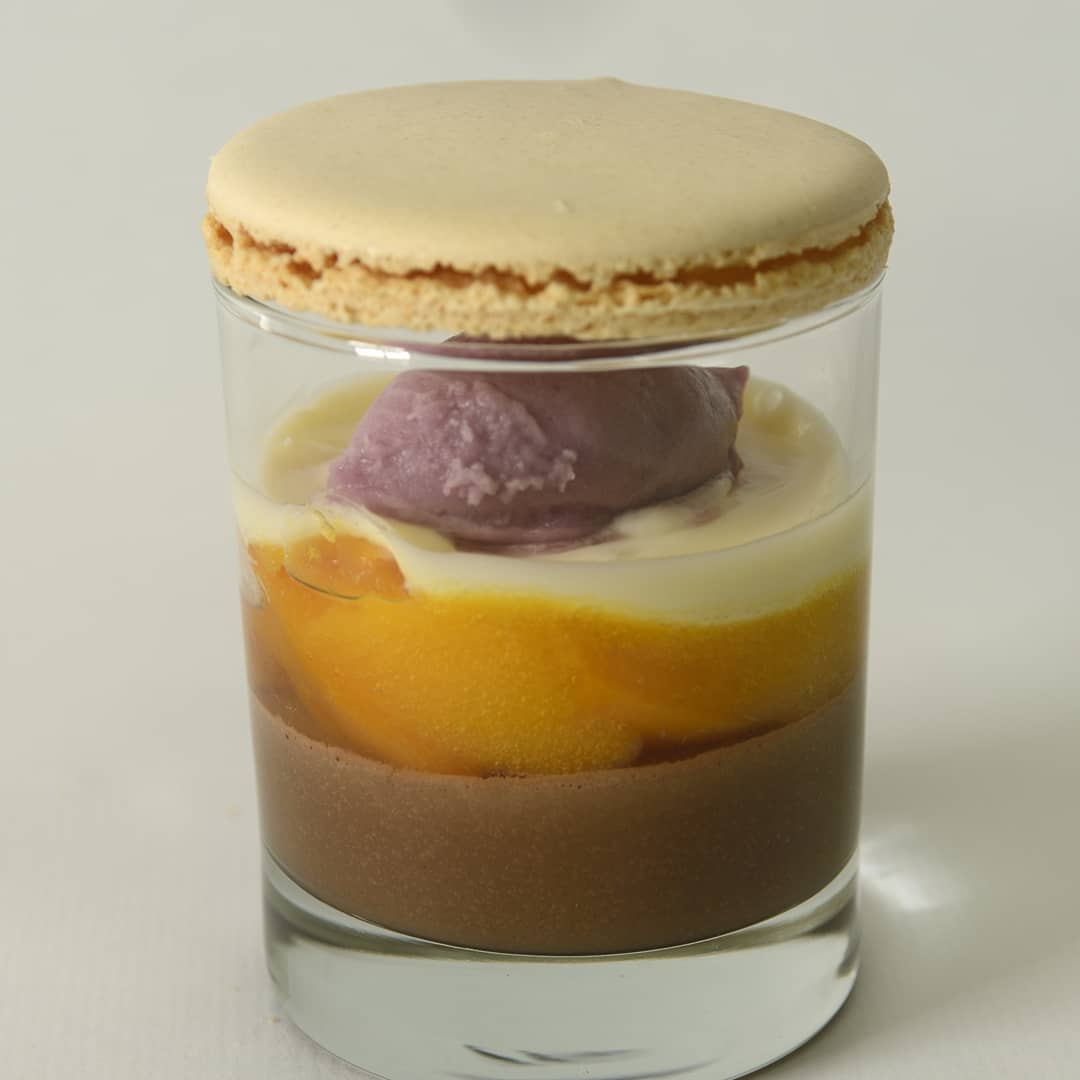
The first year it worked very well; with the pandemic everything collapsed, and one problem is that once thawed they only last about three days. This year we'll see what we do.
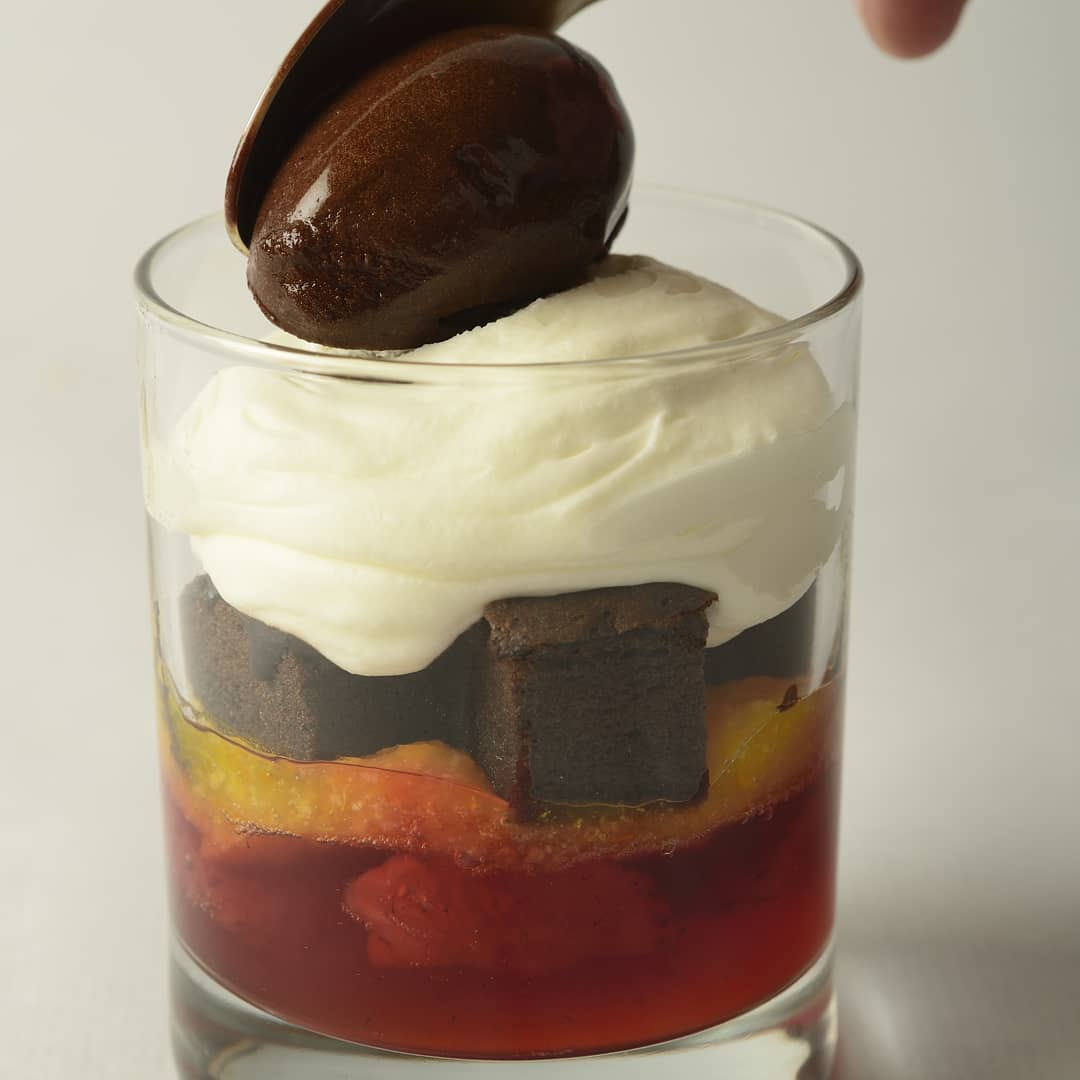
Now in winter we see you working with seasonal produce such as apple, pumpkin and chestnuts. How does ice cream go in autumn and winter?
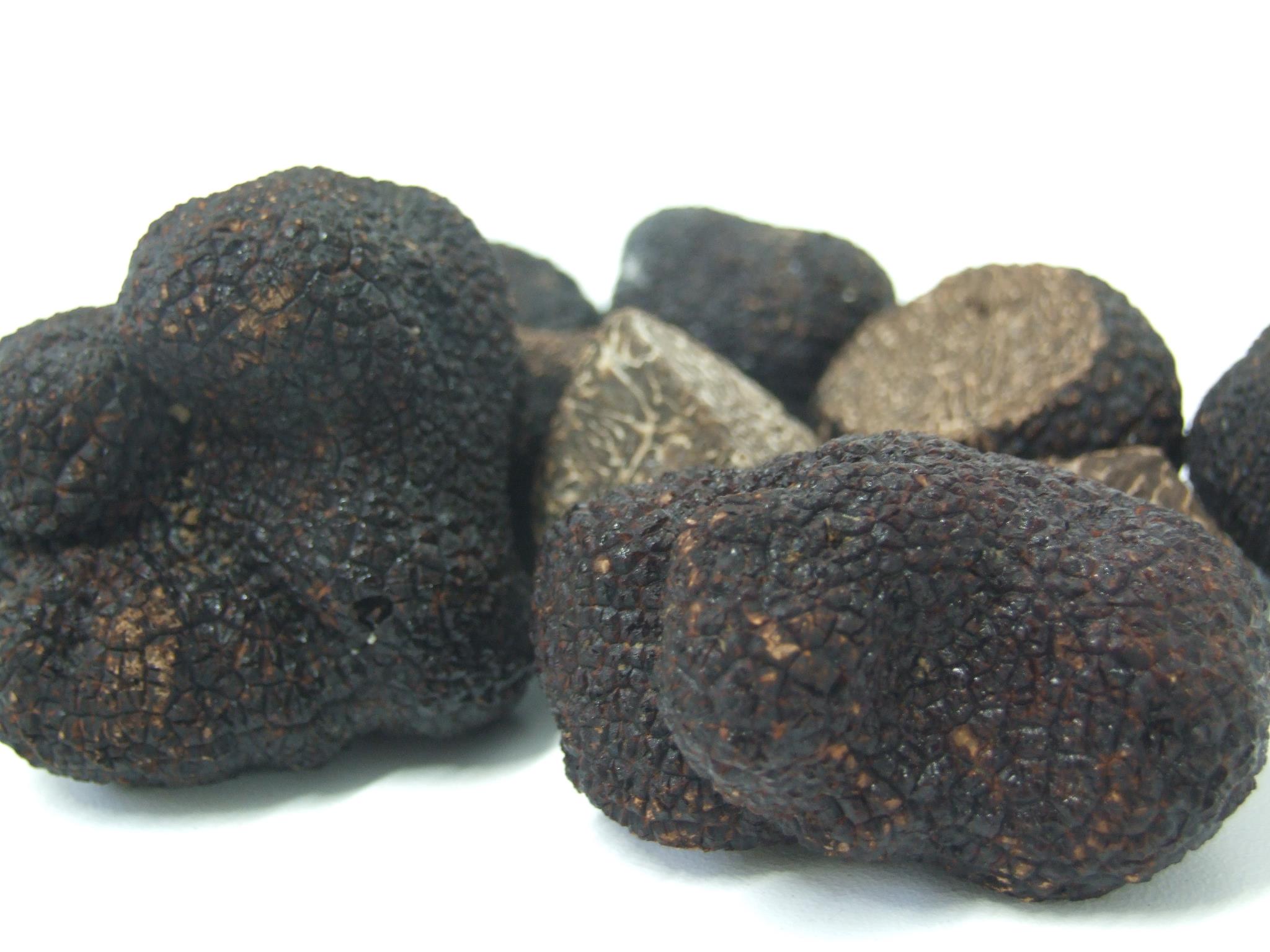
We work with seasonal produce all year, and in winter that's what people ask for: pumpkin, chestnut, baked apple and black truffle ice cream, since in Huesca we're big truffle producers.
It suits restaurants very well for the autumn menu; we make a few litres, use them up and don't make any more until the following year, because by February they're asking for something else.
05Championships
Given the original things you do… Have you entered, or are you thinking of entering, an ice cream championship?
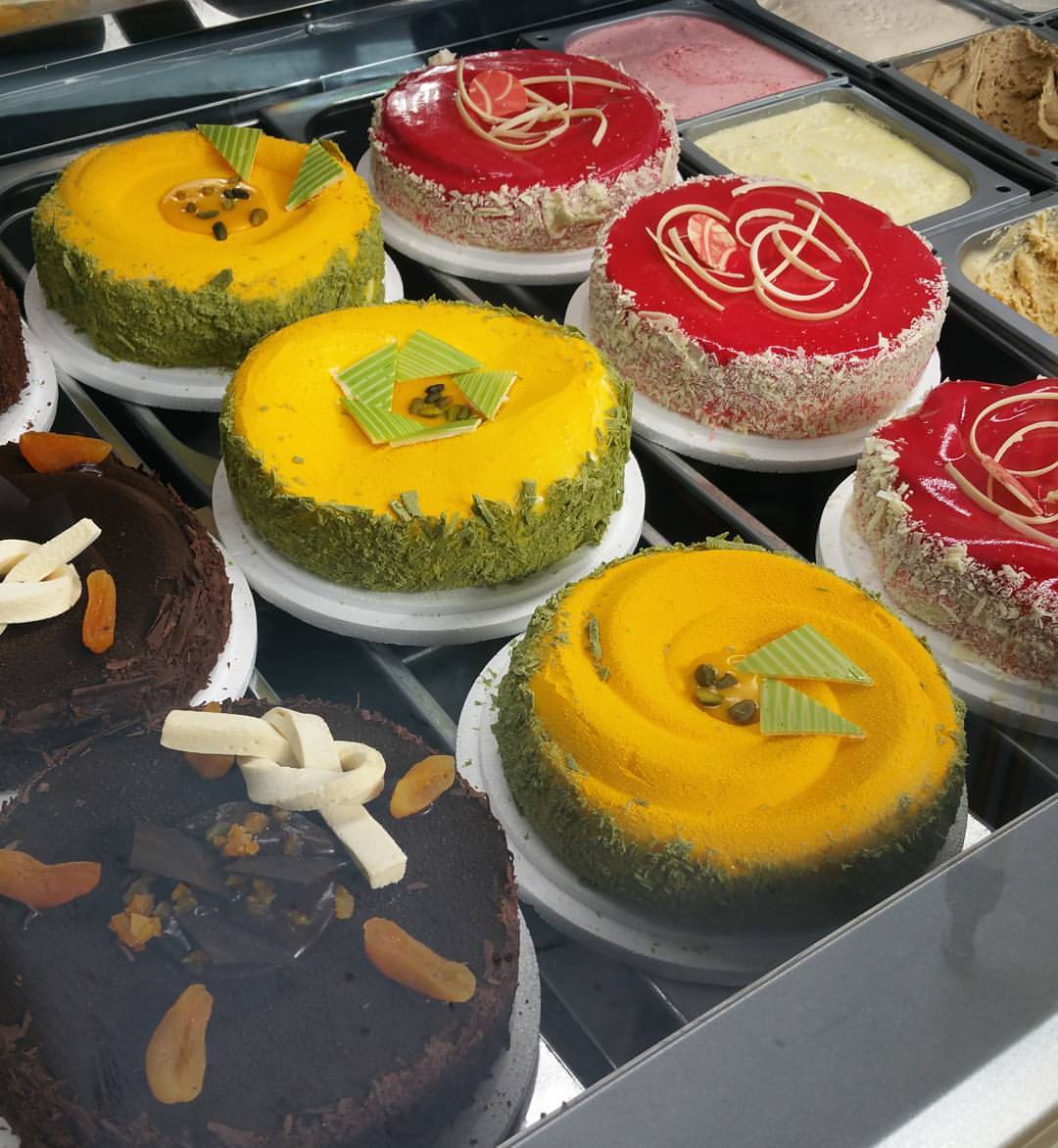
When it comes to making ice cream and flavours we have no problem, but then other things like cakes — we do make something, but in Huesca there isn't much of a tradition of ice cream cakes, and in the end people asked for what they wanted rather than what you had, and it was a bit of a drag.
I'm 42 and I see young people coming up behind with plenty of drive; I don't know whether we'd still be up for championships. I'd have to ask Yon, who's going to enter, what he's doing; maybe we should team up for a season, heh. Between two of us, yes, it's just more of a slog; maybe we need someone to tell us something new, and maybe between what he does well and what we do well we could do something even better — between two it's more motivating.