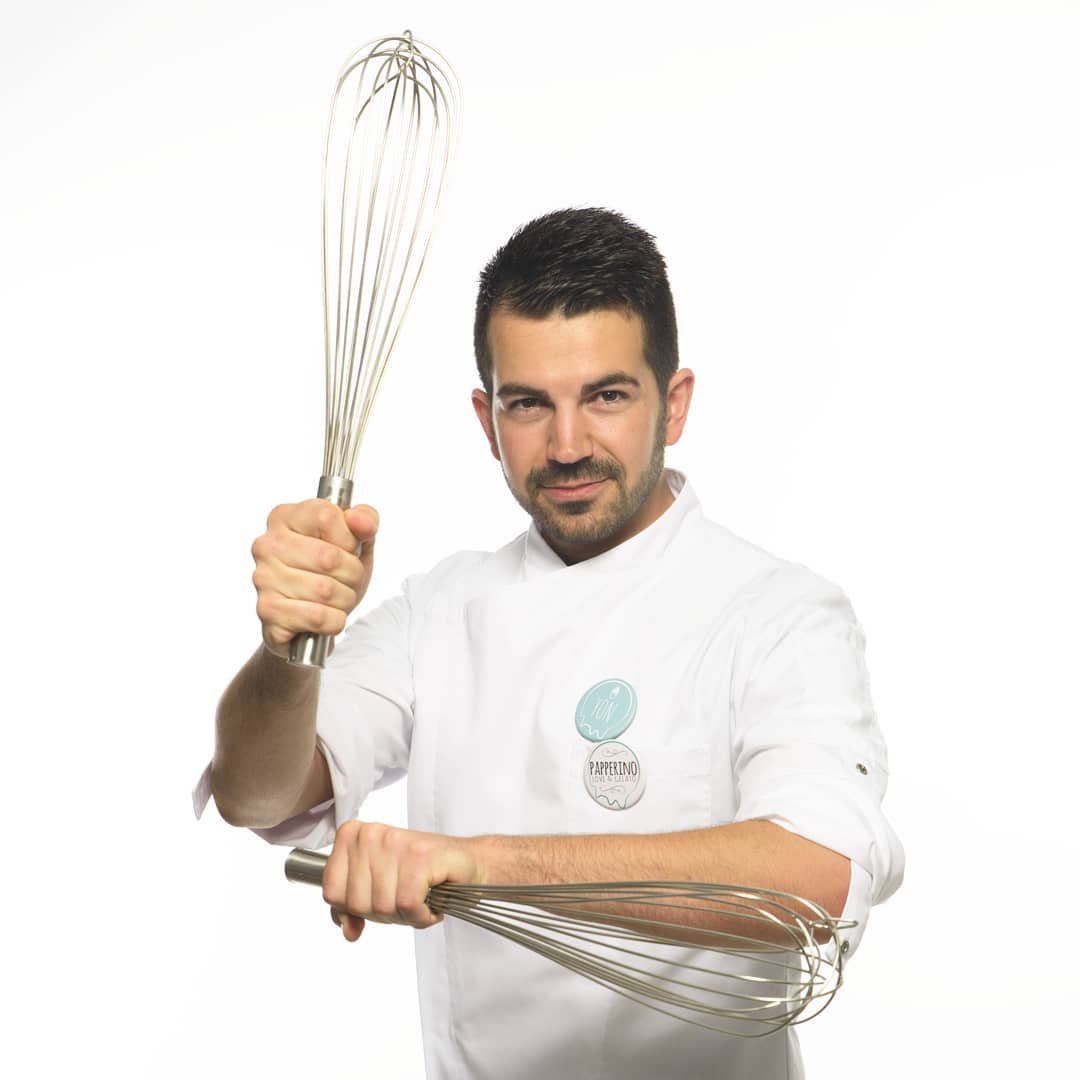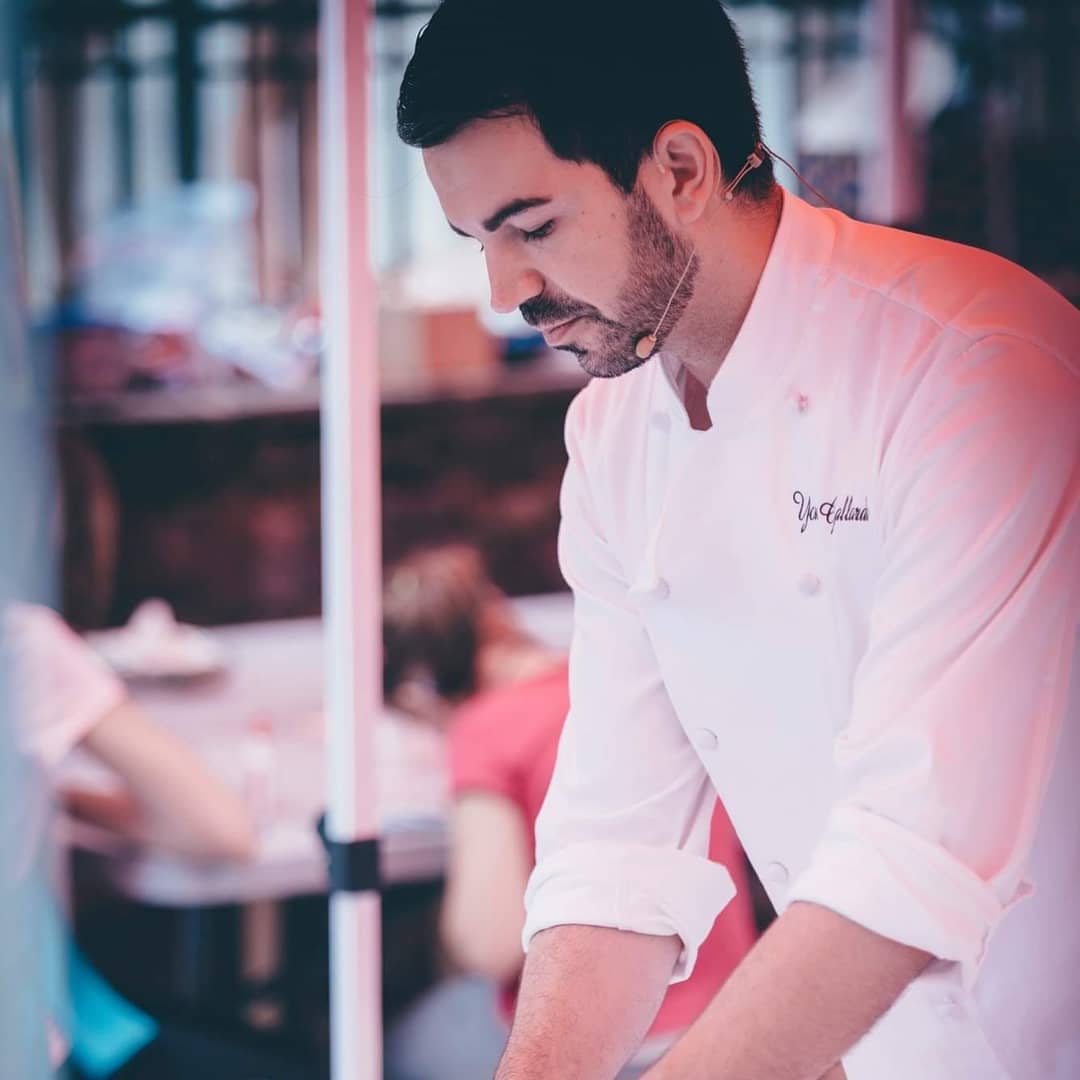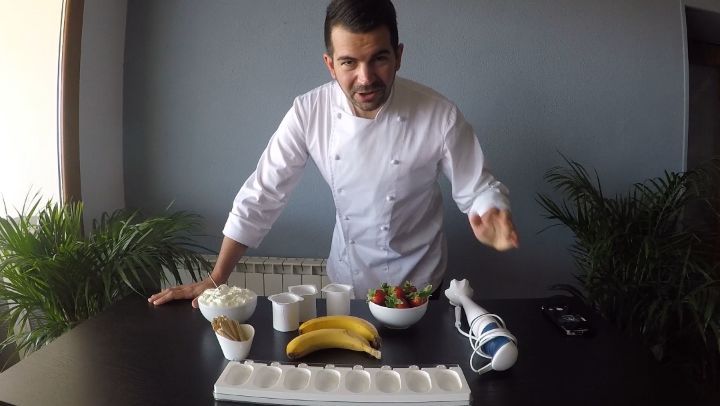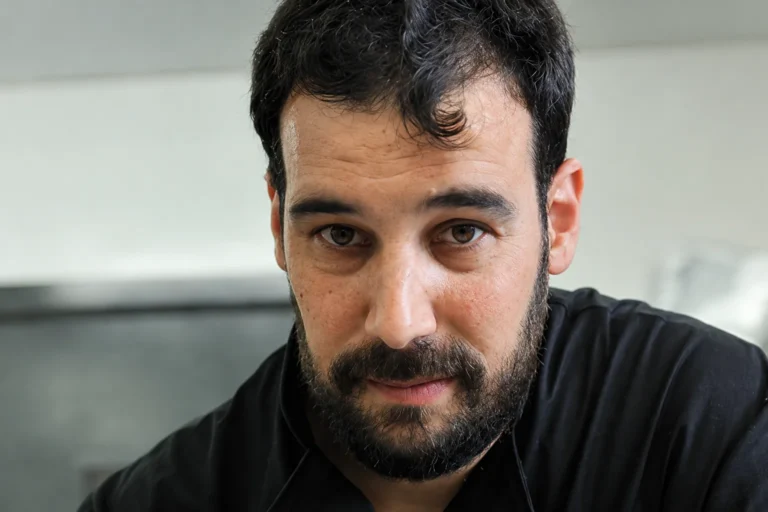

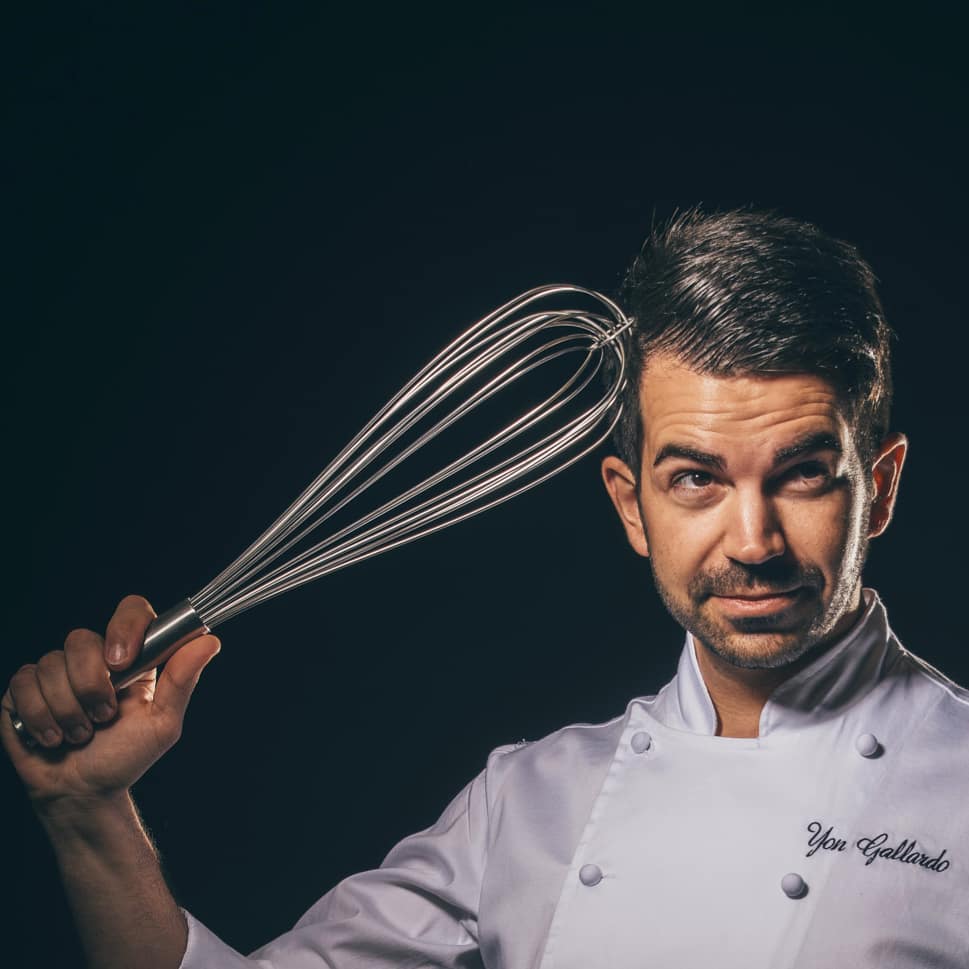
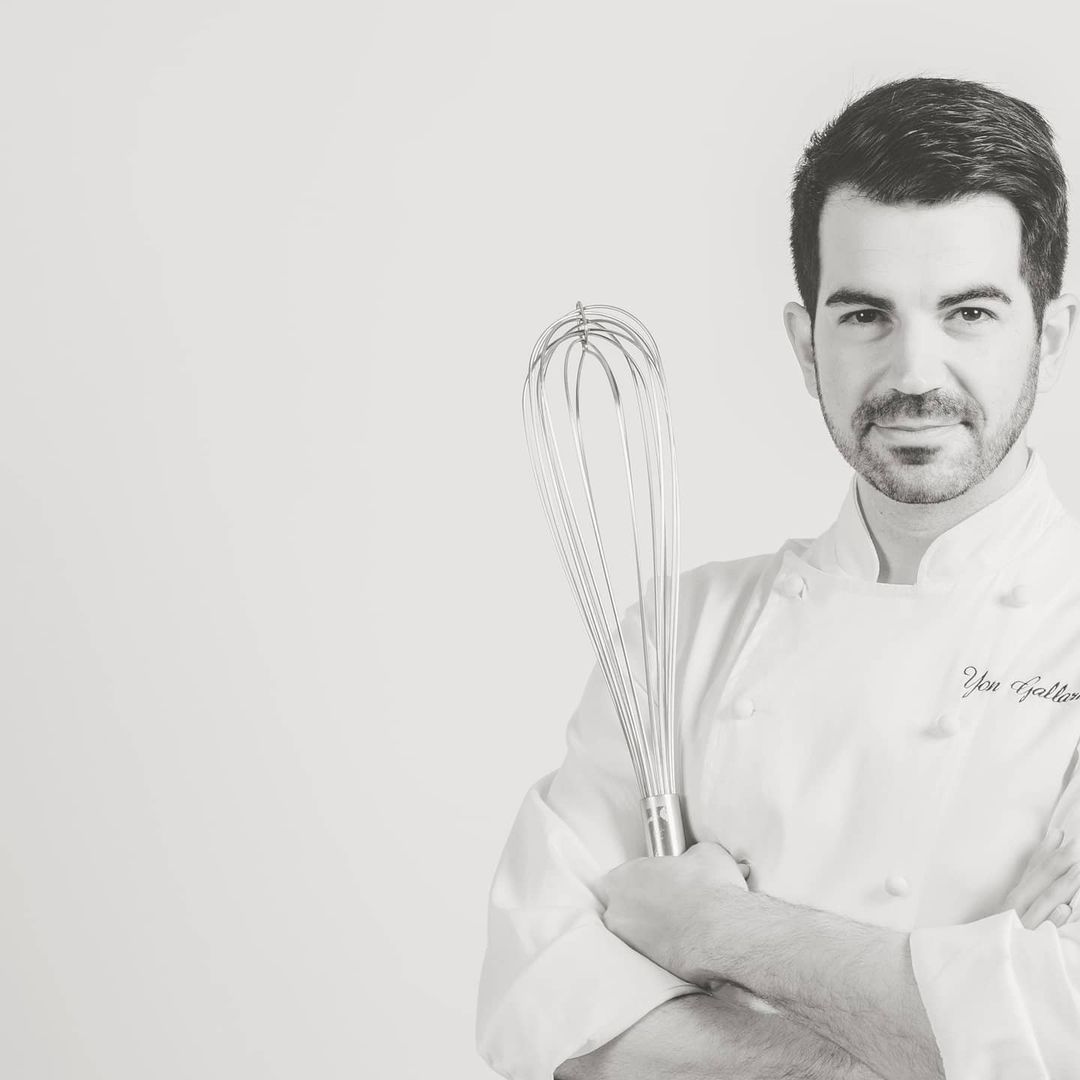
Today we have the great pleasure of interviewing Yon Gallardo Bracone, one of the greats of ice cream making in Spain.
Yon owns the ice cream shop "Yon Gallardo helados naturales" (formerly Papperino) in Irún, a must for any ice cream lover.
Yon has given us a hand whenever we have needed it, and thanks to him we have learned a great deal and corrected many mistakes.
Welcome to haztuhelado.com, Yon; it's an honour to have you here.
We have plenty of questions about you.
01Where it comes from
I think I've had more milk in the form of ice cream than from a bottle, so the passion for ice cream runs in my veins.
To start with, we'd like to know… where does your passion for ice cream making come from?
My passion for ice cream comes from the family. It started with my grandfather Vittorio Bracone, originally from Forlì, Rimini (Italy). It continued with my mother Lola Bracone, who carried on my grandfather's tradition for years with an ice cream shop in Hondarribia, and one day she met my father Juan Bautista Gallardo.
My father, a cook by trade, not only fell in love with my mother but also with ice cream. Up until then only 5 or 6 flavours were made, but my father, who has always been restless, started experimenting with new flavours.
At that time my parents had an ice cream shop and café in Hondarribia called Aquarium, but in 1994 they decided to start a new path by setting up an ice cream shop in Irún, which back in the day was a boom in the area. I'll talk more about it later.
I think I've had more milk in the form of ice cream than from a bottle, so the passion for ice cream runs in my veins, hehe!
Since I was little I've been in the workshop separating yolks from whites, opening milk cartons and helping my father make ice cream.
I spent the summers of my adolescence working with my father. Despite the constant arguments, I wouldn't trade those moments for anything. Working as a family isn't easy, but at the same time it's beautiful, because you live the work with a lot of passion.
From what we can see, you grew up inside a workshop… at what age did you decide you would devote yourself to ice cream body and soul?
I always knew I wanted to devote myself to ice cream. As we lived on the border, my parents sent me to study in France from the age of 4. There, at 15, you can choose to do a vocational baccalaureate and I wanted to get into a catering school. My parents didn't want that and I carried on my normal path. At 18, when I finished my university entrance exams, I wanted to go to catering school, but they told me I'd learn that at home and that I should choose something else in case one day the ice cream didn't work out, so I studied computing. I know it has nothing to do with it, but it was the only thing that motivated me at the time.
I finished my studies, worked in the world of computing, mostly in training, and decided I didn't want to devote myself to that, however well paid it was. I went to Canada for a year to improve my English and spend a year away to clear my head. I had the best year of my life there so far, and even so, ice cream weighed more than all of that. There was no doubt: I had to go back and be an ice cream maker.
02Papperino, today Yon Gallardo
Yon has an ice cream shop in Irún called "Yon Gallardo helados naturales". Until recently it was called "Papperino helados naturales". Tell us a little about the origin of Papperino.
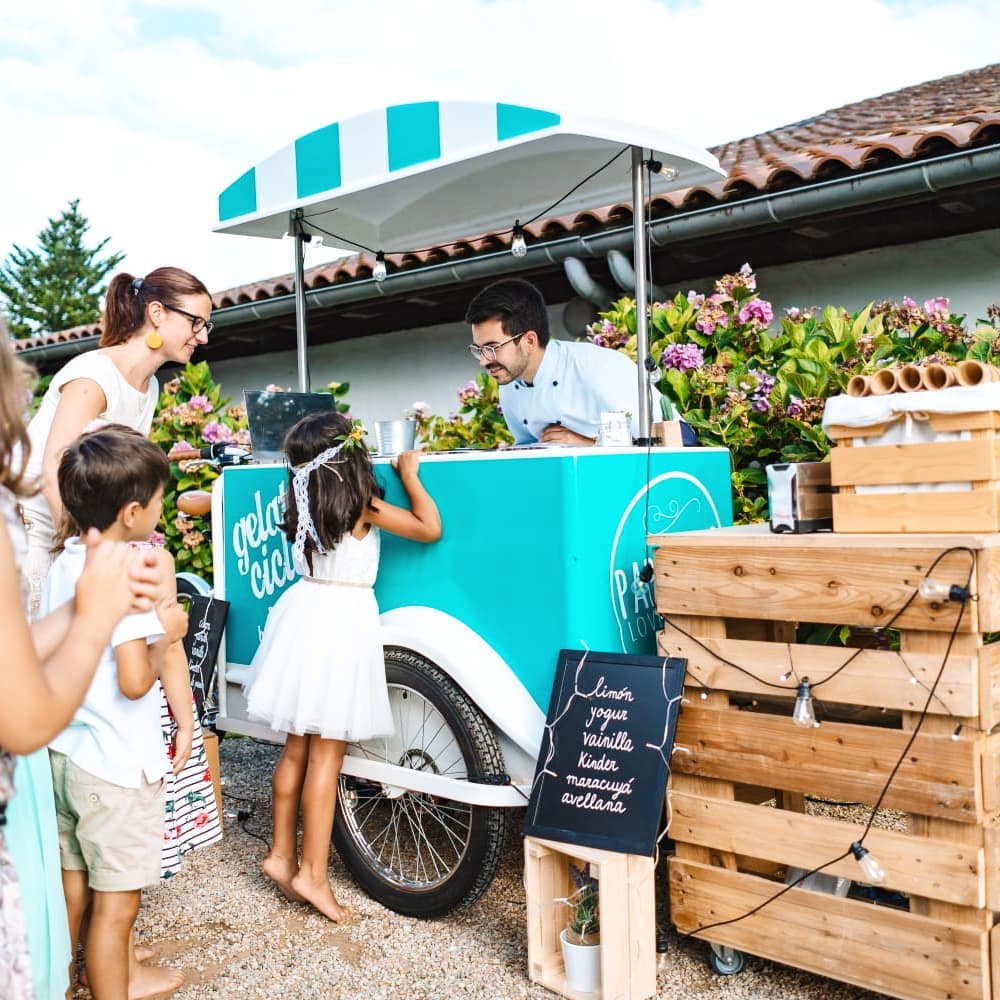
Papperino opened its doors on 21 June 1994; I was 8 years old at the time and could barely peek over the ice cream counter. I remember perfectly those 40 tubs on display full of ice cream and the endless queues of customers. It was a good idea, executed at the right time and in the right place. My parents had a good eye.
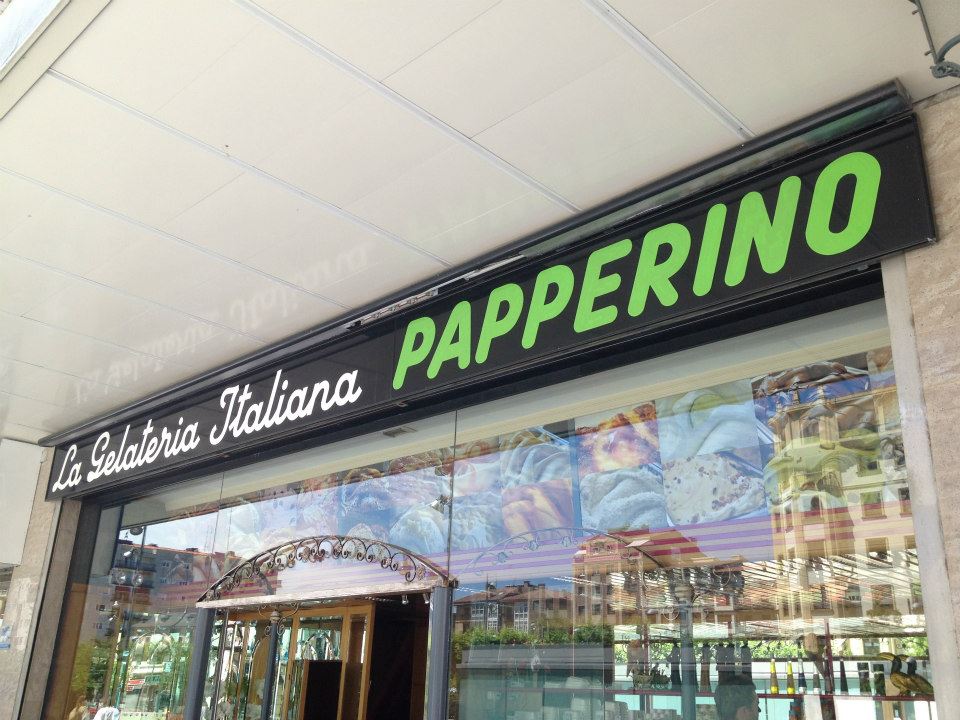
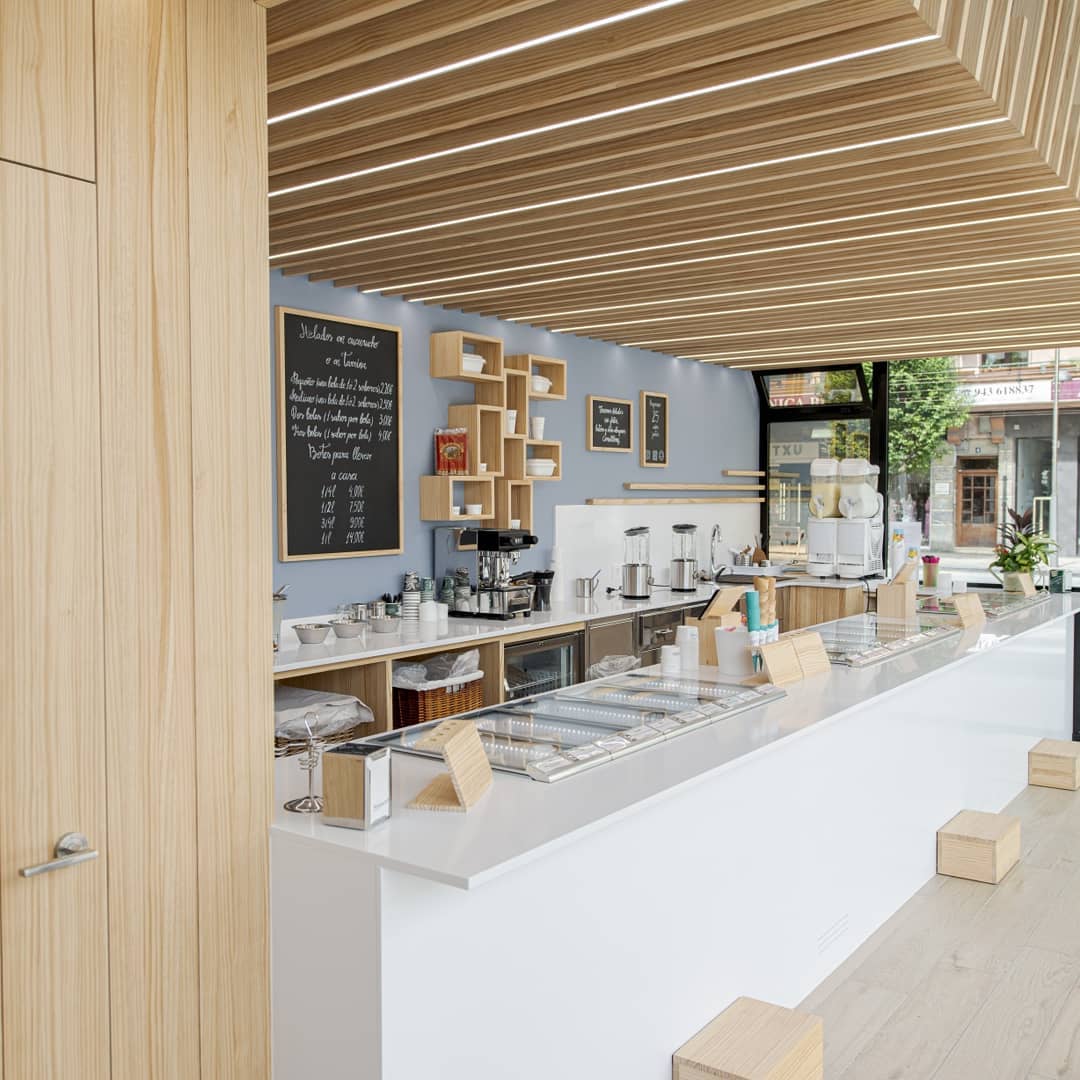
The years went by and everything, however new it may be, ends up becoming obsolete at some point; so, coinciding with the shop's 25th anniversary, I decided to make a radical change. I wanted it to stop being my parents' ice cream shop and become my ice cream shop.
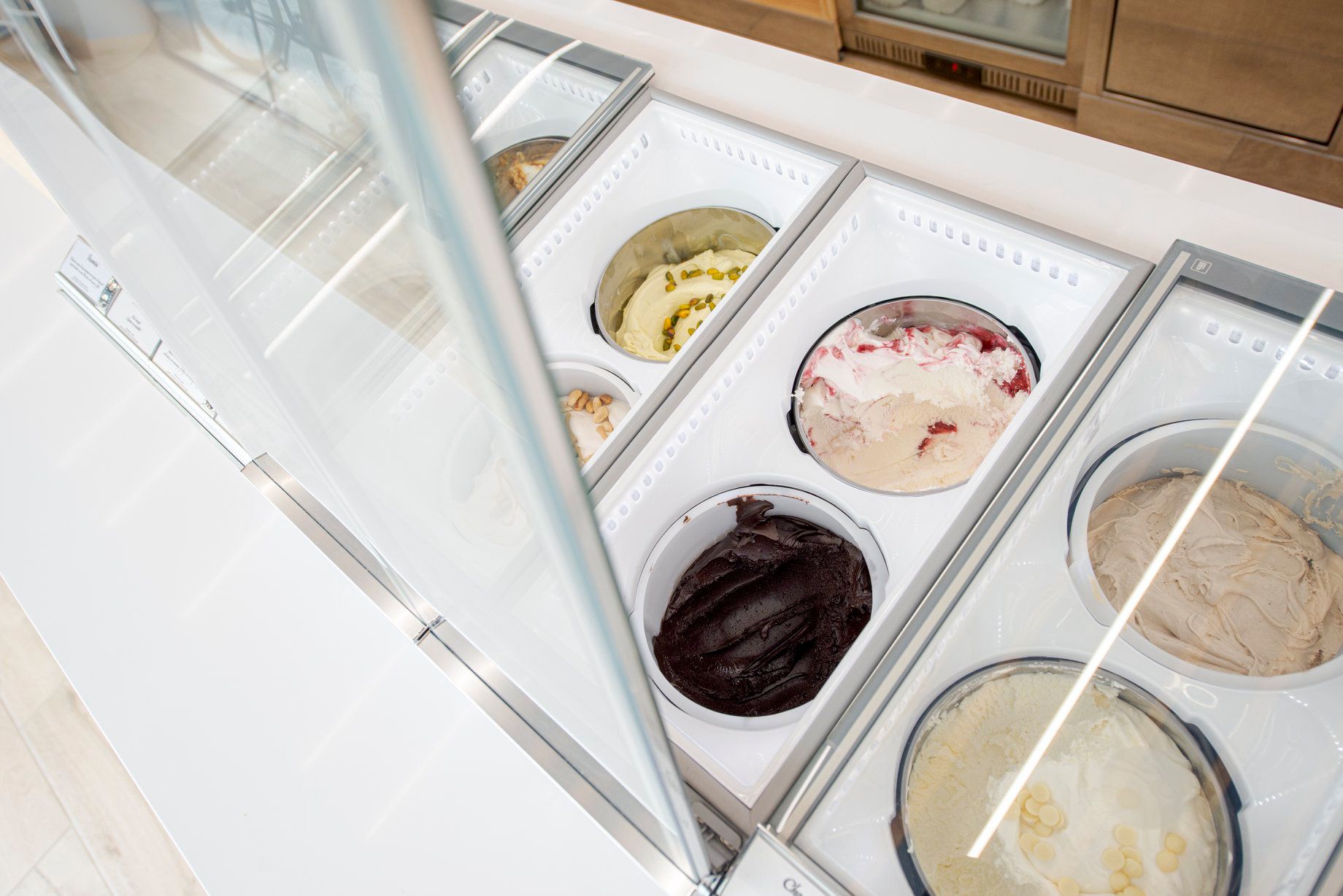
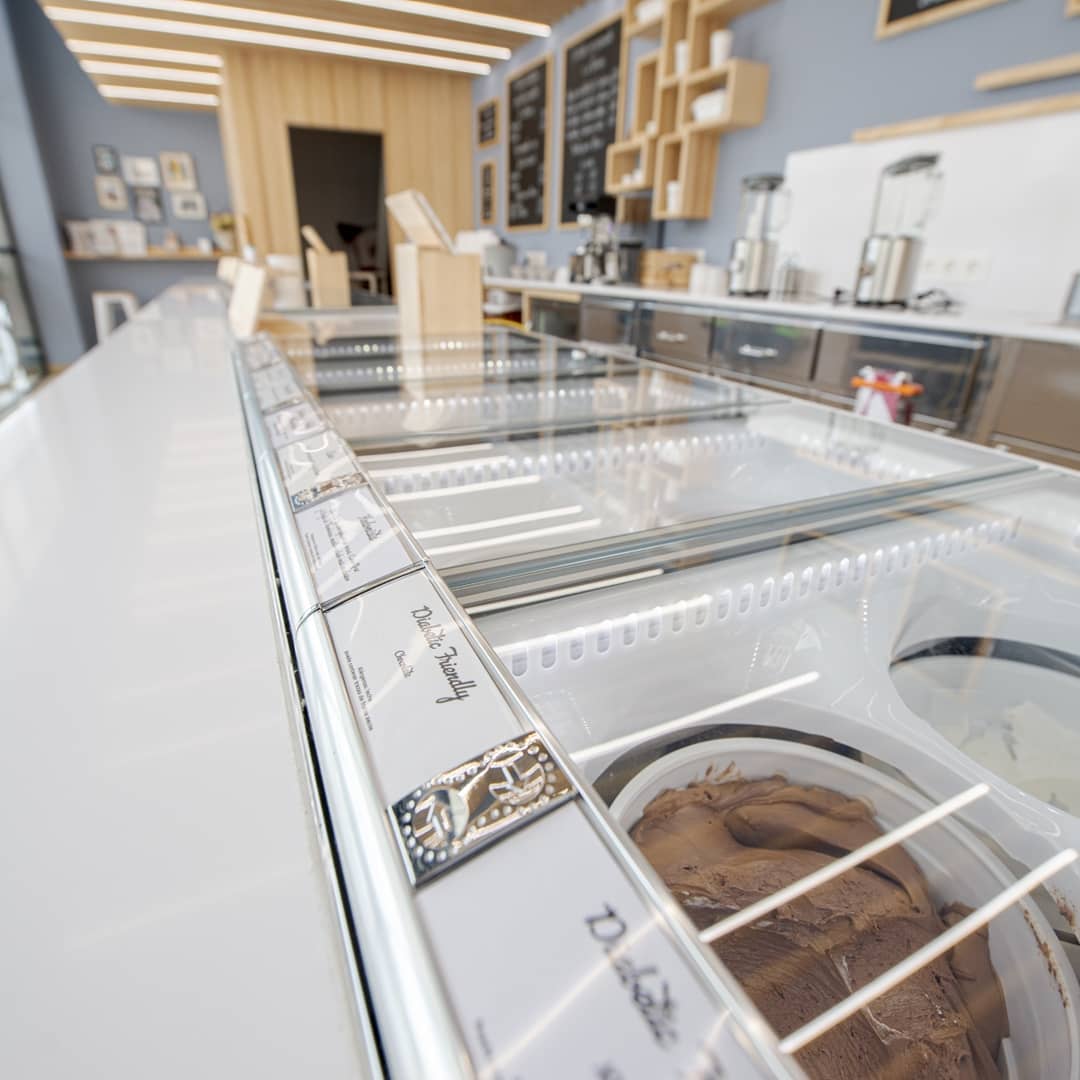
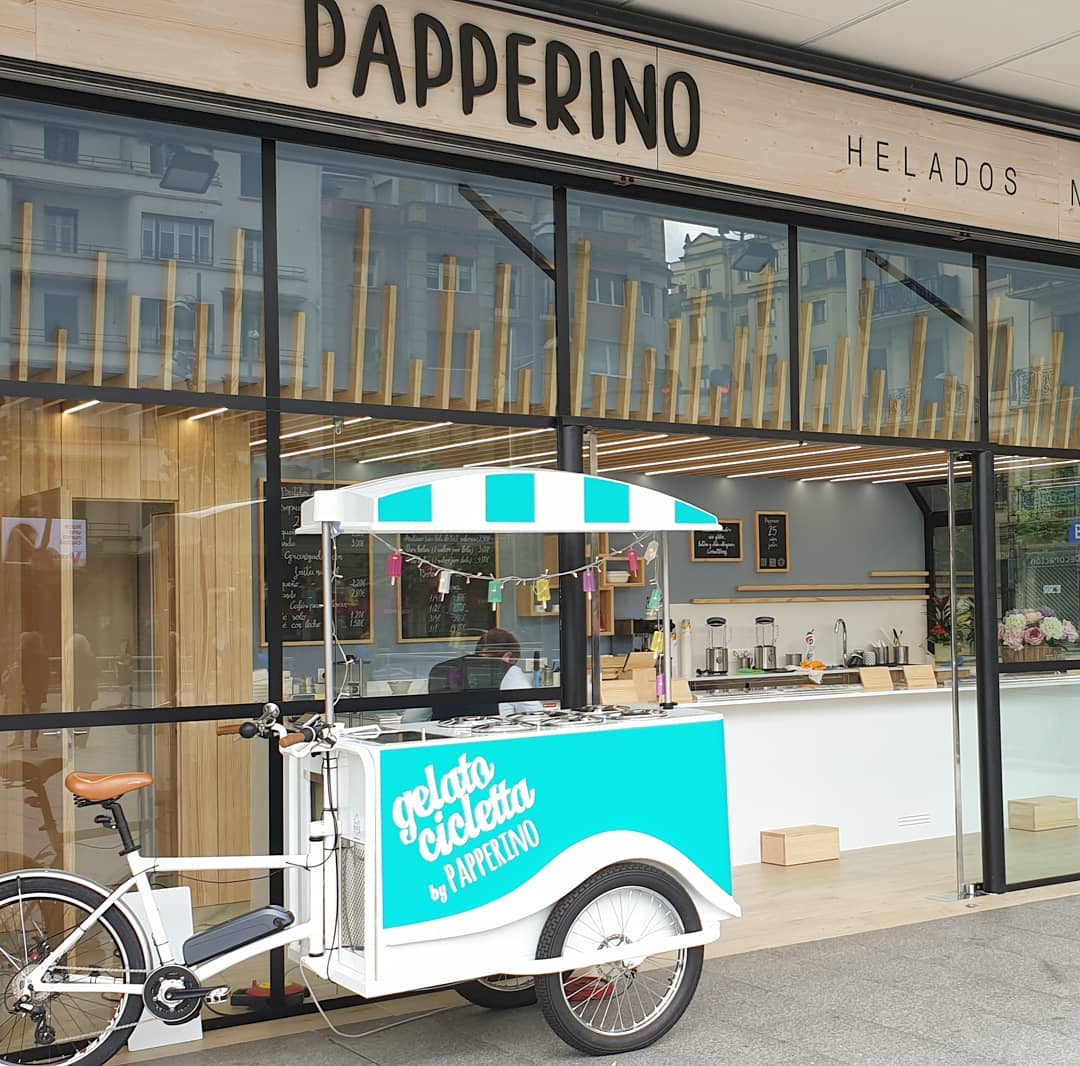
I decided to do something completely different from what had been there before. I wanted a project that lived up to the ice cream I make and that I could show in a magazine without fear of it looking cheap. It was a difficult and risky decision. They say we Gipuzkoans are very traditional, and this broke completely with the traditional, from the minimalist decor to the display in pozzetti.
Where does the name come from?
The name comes from Italian: paperino means little duck, and it comes from two things. On the one hand, as a child my mother had some comics she loved of Donald Duck, who in Italy is called Paperino.
On the other hand, it was an affectionate word my grandfather used for his grandchildren. If you look closely, our name is written with two "p"s in the middle. It's an intentional spelling mistake so we don't have to pay royalties to Disney, haha!
How is it going?
I'll never settle and I'll always keep aiming higher, it's in my nature; even so, I'm happy. We work very well and in recent years we haven't stopped growing.
Passing through Gipuzkoa?Yon Gallardo helados naturales is in IrúnFind it, along with the other genuine ice cream shops, on our map.Open the map →I'm very lucky to have my cousin Dani, who takes care more of the sales side. He's one of those people with infinite empathy and patience, and he's one of the reasons there's a smile on every scoop of ice cream.
With the pandemic we saw that you launched into home delivery. How did it work? Are you going to keep it when everything gets back to normal?
It worked very well during lockdown, but afterwards we weren't able to keep the service going because of the high demand in the shop.
For next year I'm considering setting up some sort of our own, more limited delivery service. There's always the danger that these services cannibalise in-store sales, and they have a much higher cost.
03His ice creams
Which ice cream do you sell most of?
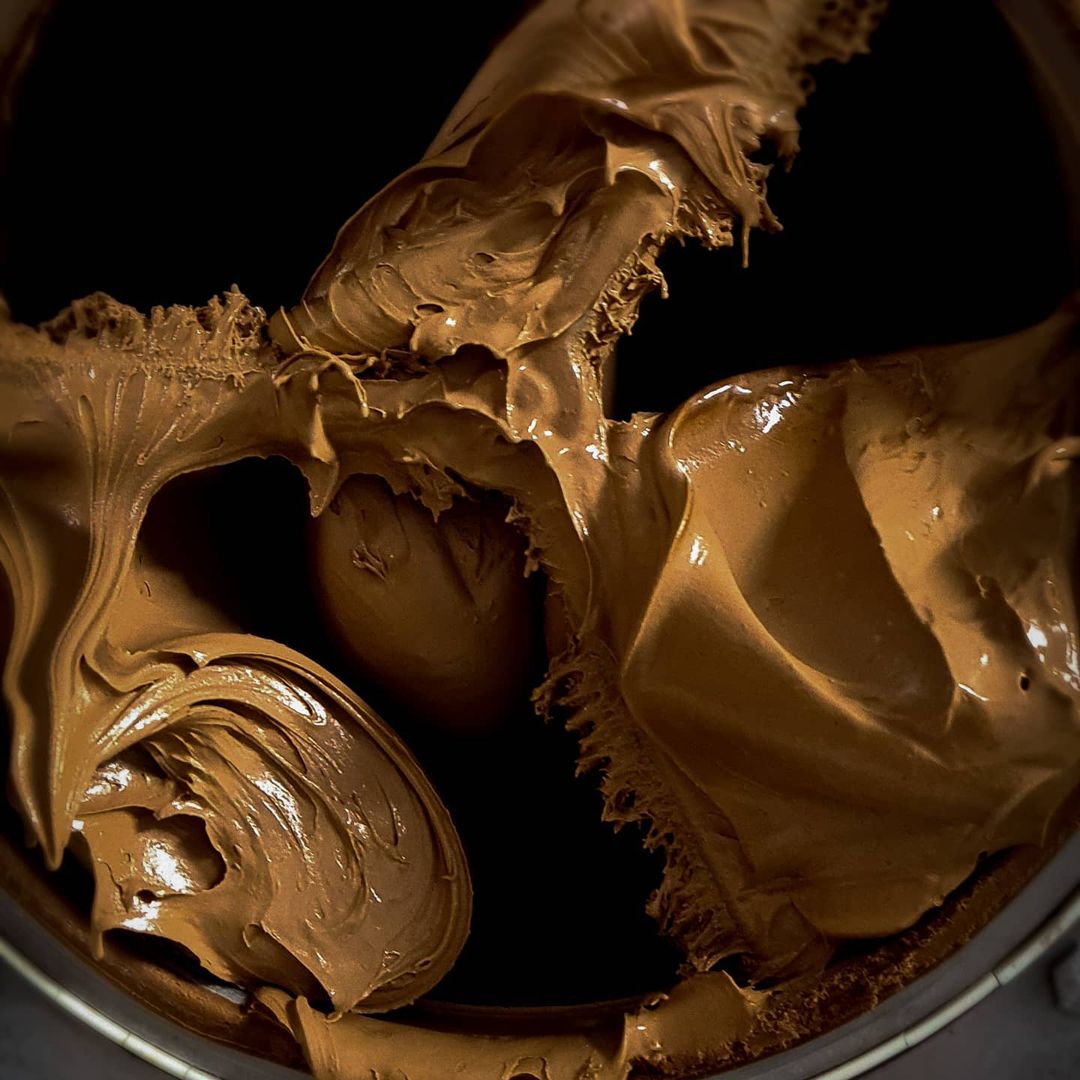
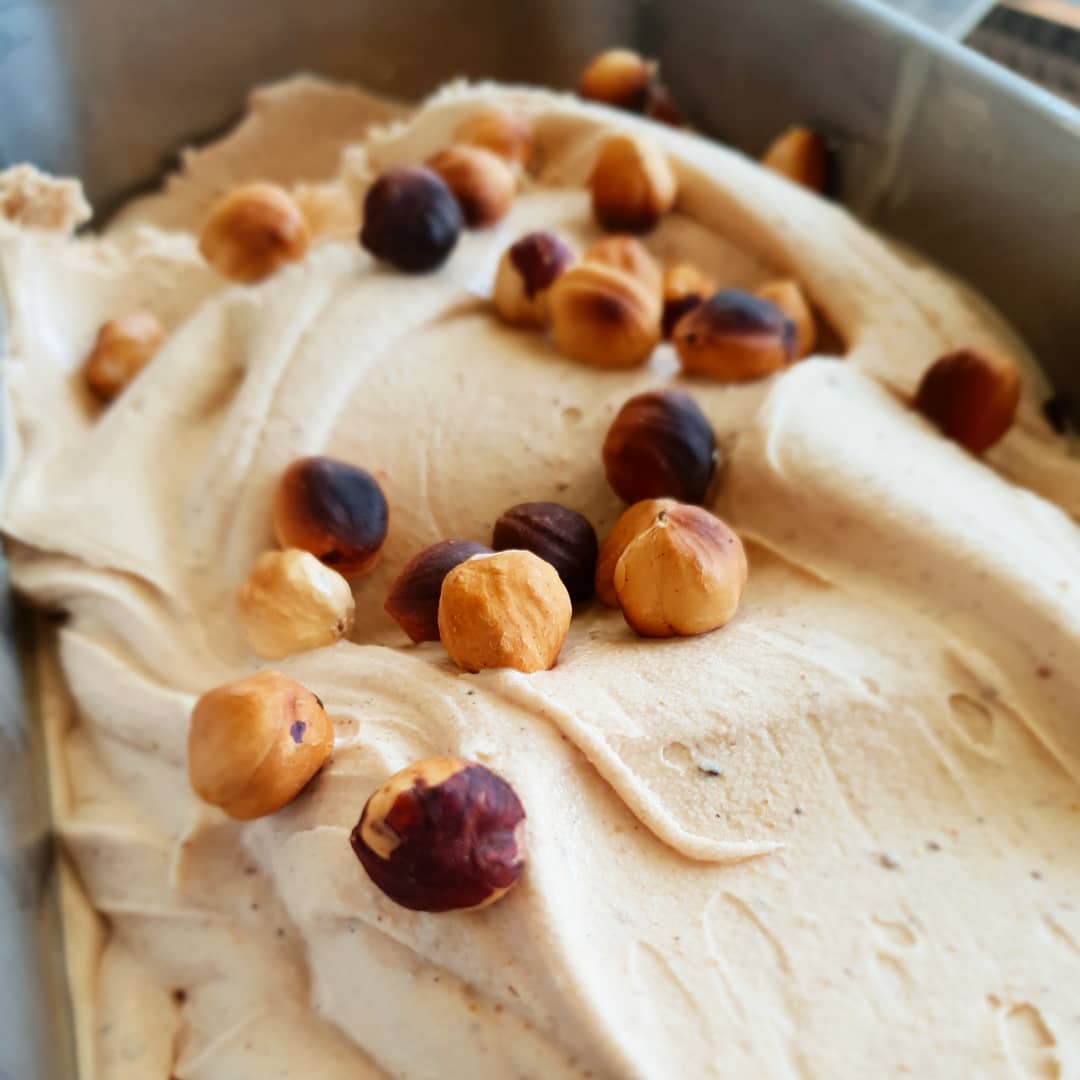
Hazelnut is the queen. It's by far the ice cream we sell the most, and it sells more all the time. It's an ice cream that involves a lot of work, since we roast the hazelnuts ourselves, grind them in a conche and make the ice cream with that homemade hazelnut paste.
Hazelnut is the queen. It's by far the ice cream we sell the most.
Which is your favourite ice cream?
Difficult question, it's like asking which is your favourite child, haha! I put an enormous amount of love into all of them and it's hard to choose one without feeling I'm slighting the others — we wouldn't want them getting jealous. But if I have to pick one, I never get tired of coconut ice cream.
What's the most curious ice cream you've tasted?
Another tricky question… An ice cream that surprised me a lot was one of roasted pineapple with cinnamon and cardamom. I had no particular expectations for that ice cream and when I tasted it I really liked the flavour, not so much the texture; the maker wasn't very precise with the formulation, but he hit the flavour spot on.
What has been your most complicated creation?
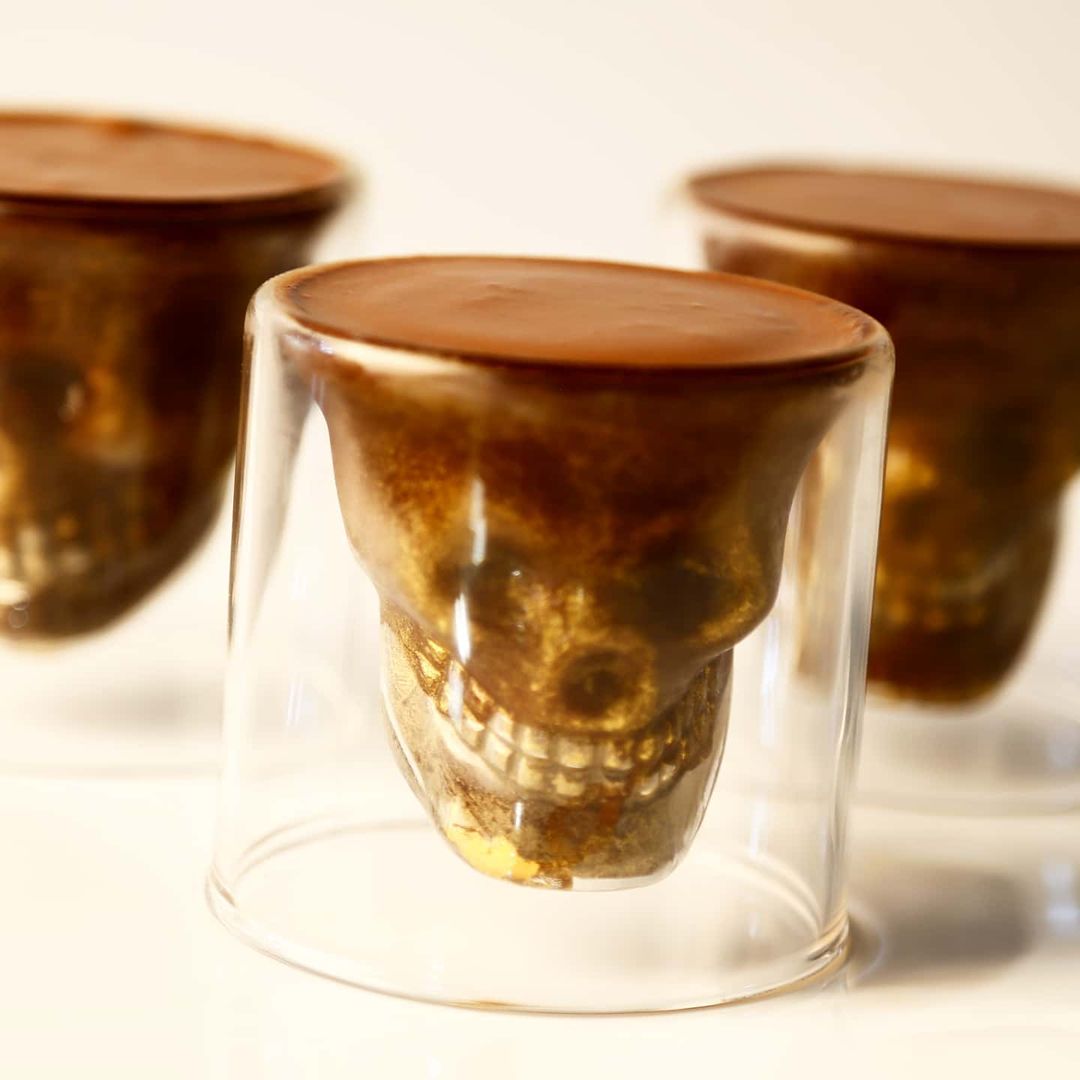
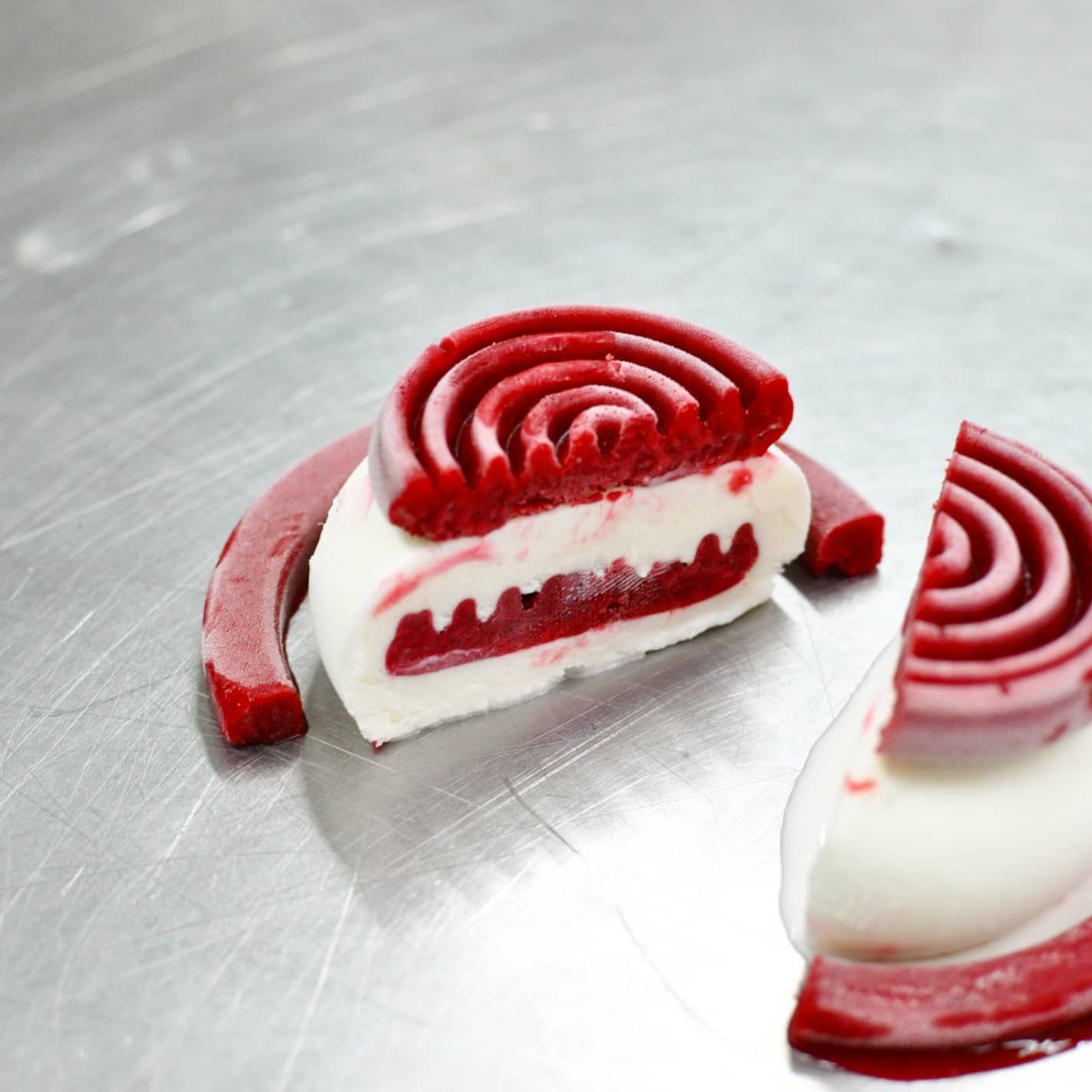
The most complicated thing is the individual pieces we create for special occasions, like Christmas. The formulation is put more to the test, you work with pastry techniques, glazes and so on.
In a 170 ml piece you can end up with 7 different preparations, and the whole job has to be very well organised for working on this kind of piece to be profitable. That said, the result is very Instagrammable.
Do you eat a lot of ice cream, or are the tastings more than enough?
I get asked this a lot, haha! I'm not one for sweet things; in the whole year I don't think I've eaten a full scoop as such. What I do do is taste every ice cream that comes out of the machine, just in case I've made a mistake. It doesn't only happen with ice cream, it happens with everything in general: I eat little, I like cooking more than eating.
I make loads of litres a day and with what I taste I understand I'm already eating more than average, but I almost never serve myself a scoop. In restaurants I usually skip dessert, generally because they tend to disappoint and I'd rather enjoy a coffee and keep a good taste in my mouth.
04Technique in the workshop
Ice cream in restaurants, a sector that fascinates us: sweet or savoury ice creams to pair with dishes. I've seen your creations in some restaurants on Facebook. How is this sector doing? (Before the pandemic) A curious dish you've eaten with your own ice cream?
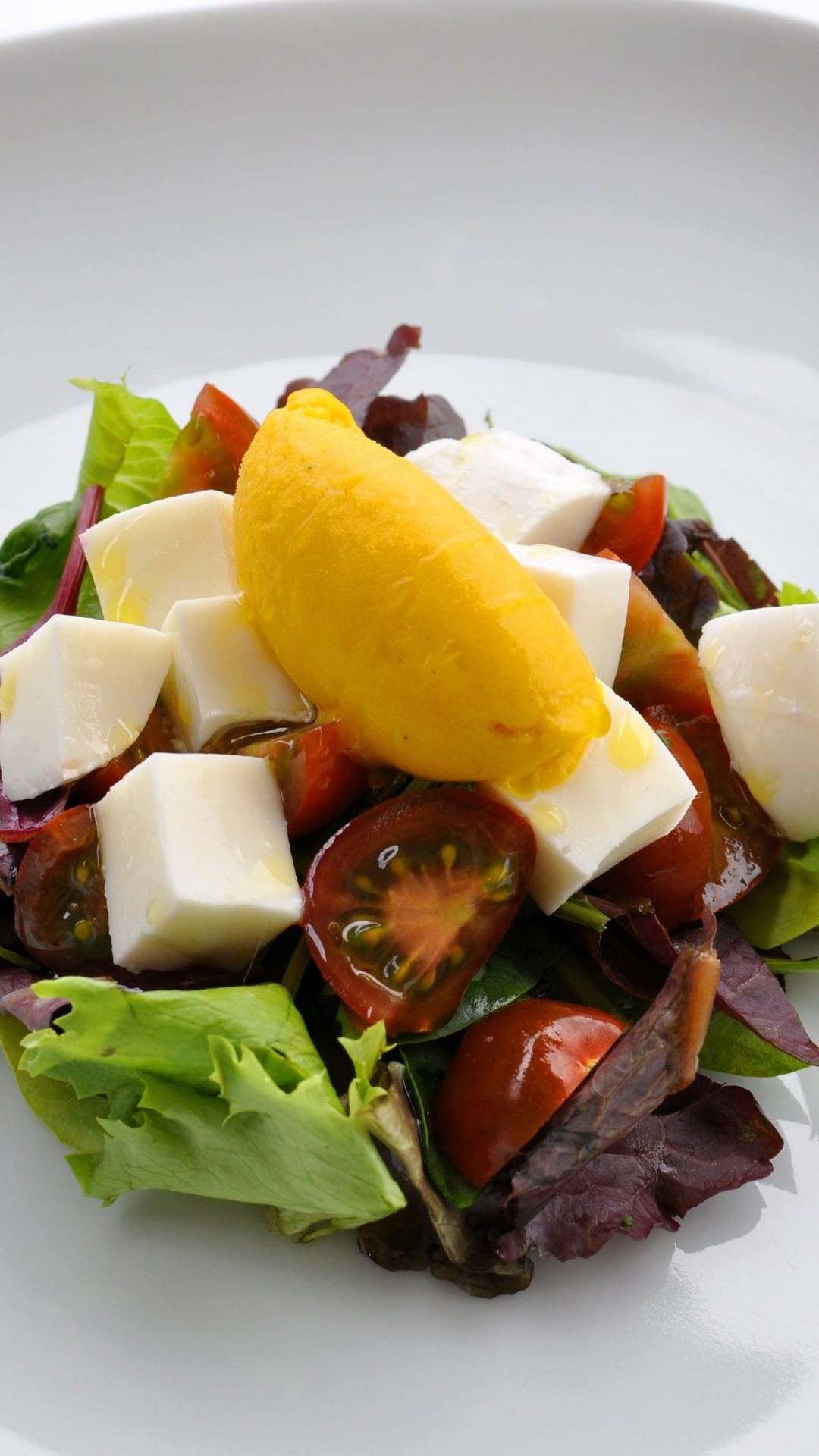
Ice cream was for a long time the ugly duckling of gastronomy. Little attention was paid to it and generally the ice creams left a lot to be desired. Now there's a big change; you can start to see that restaurants care about having better desserts and are beginning to see in ice cream a game they didn't see before.
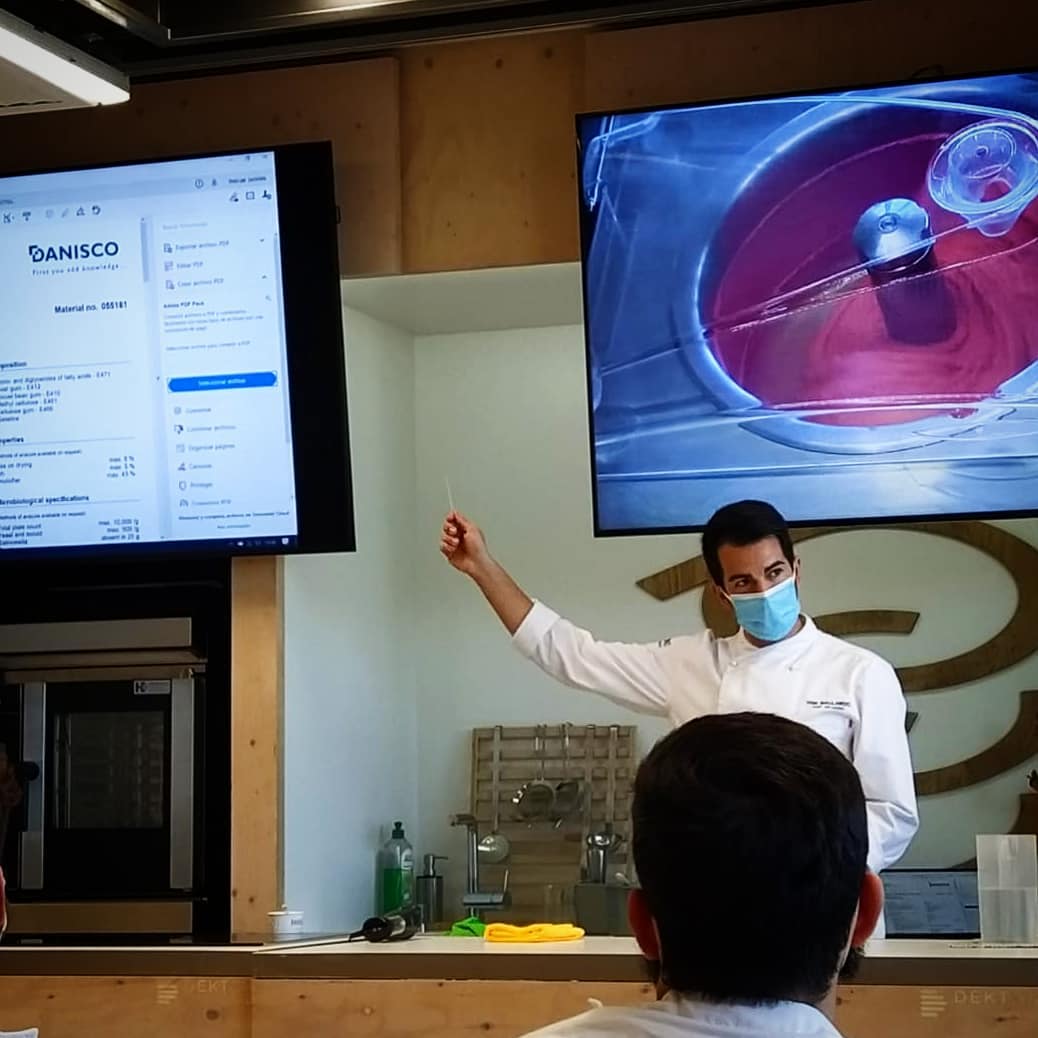
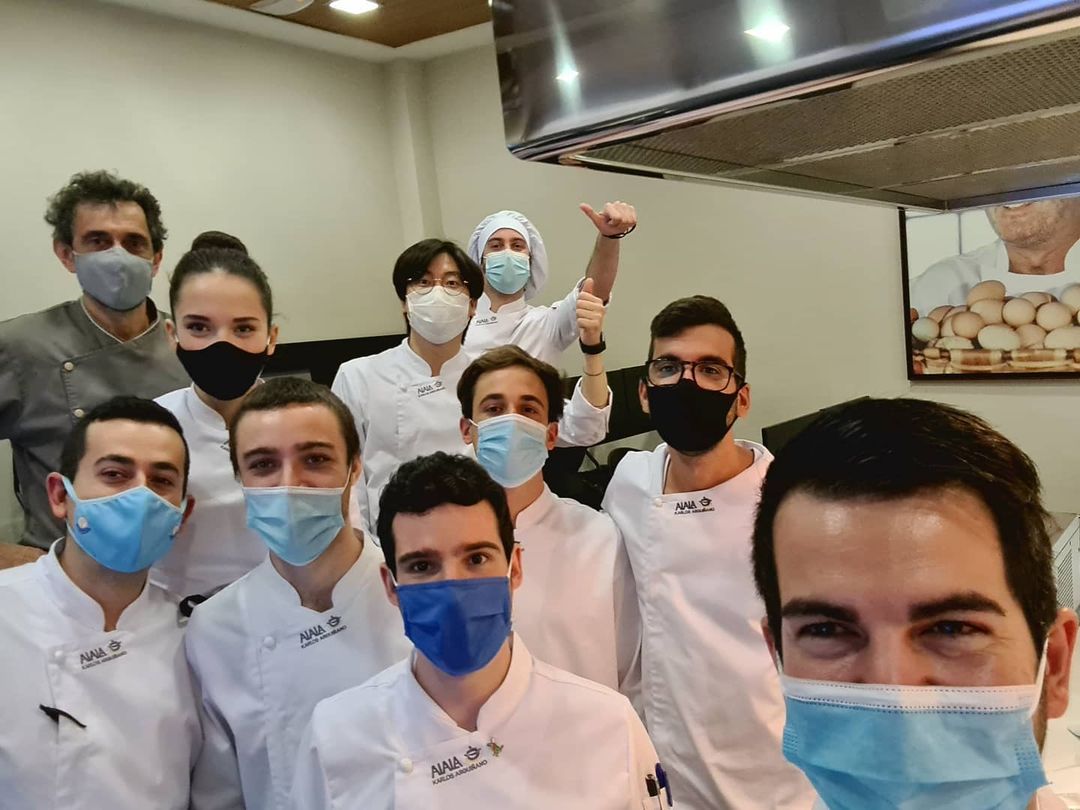
Most of the training and technical consultancy I do lately is for restaurants. What's more, catering schools are getting their act together and including the subject of ice cream in their courses. I can name the Basque Culinary Center, Aiala (Karlos Arguiñano's school) and the EPGB, for having worked with them.
A dish I liked was a foie gras ice cream glazed with a coating of caramelised white chocolate with salt flakes and bread powder on top.
We use the low-temperature technique in the kitchen quite often; the flavours and textures you get are spectacular. We've seen that you're making the most of it in ice cream. What are you getting out of it? What do you recommend we do with this technique?
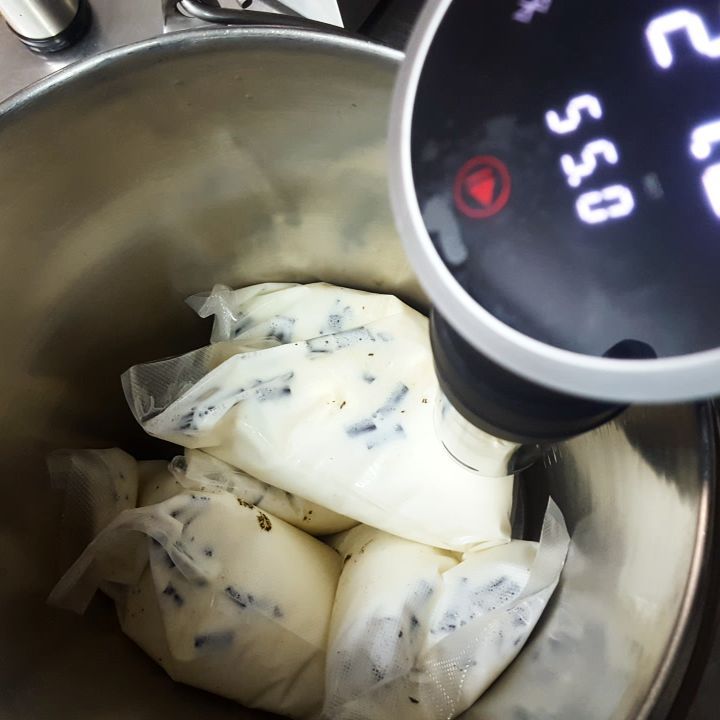
Low temperature lets us do many things; we use it mainly for infusions. We manage to concentrate more flavour without evaporation and, by not subjecting it to excessive temperature, the flavour of things doesn't change as much.
I use it mainly for the infusion in vanilla ice cream, where I think we get a very good result, and also to make yoghurt. But to give you an idea, I've even used it to temper chocolate.
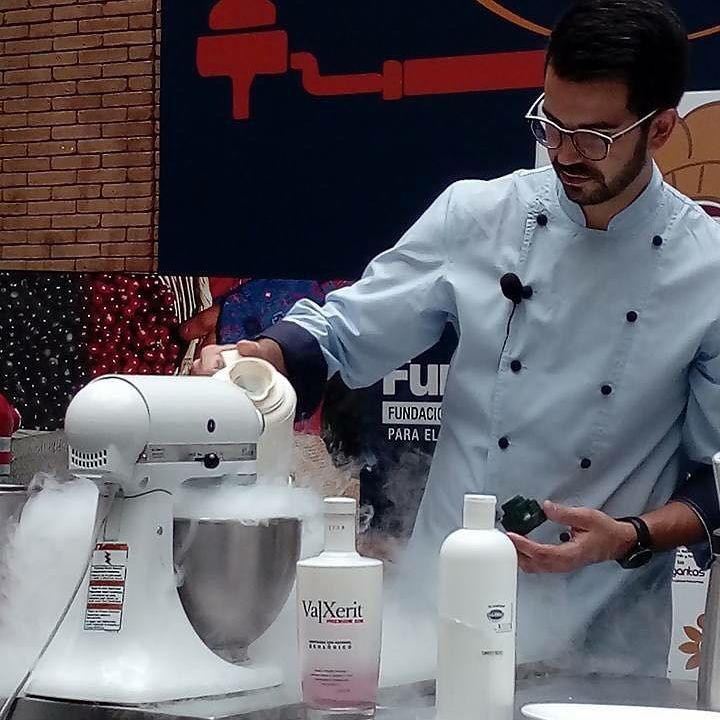
We've seen you "smoking" with liquid nitrogen many times, hehe. We see they use it all the time on MasterChef now. How does this technique work with ice cream? Would the formulation be different?
I discovered the world of nitrogen with Martin Lippo, an Argentinian chef who has his training and research space in Barcelona. He's one of the people I admire most and I was lucky enough to learn on one of his courses. Liquid nitrogen evaporates at a temperature of around −196 °C; in short: bloody cold…
It freezes everything at an impressive speed and you need common sense when using it. I wouldn't use it to make ice cream, since it isn't profitable at all. That said, it creates a lot of show and can be interesting for events or on TV.
What is interesting about nitrogen is certain preparations we couldn't get any other way. For example microdots, which we get by freezing drops of fruit purée and can then use as a topping or to ripple through the ice cream.
On MasterChef they use it mainly for the show and the speed. Besides which, almost anything straight out of the machine comes across well, despite a deficient formulation.
The formulation is the same; in the end it's just a different freezing system. Churning is agitation and cooling at the same time, so the nitrogen gives us the cold and the whisk or the Kitchen Aid gives us the agitation. The other steps are the same as for any other ice cream.
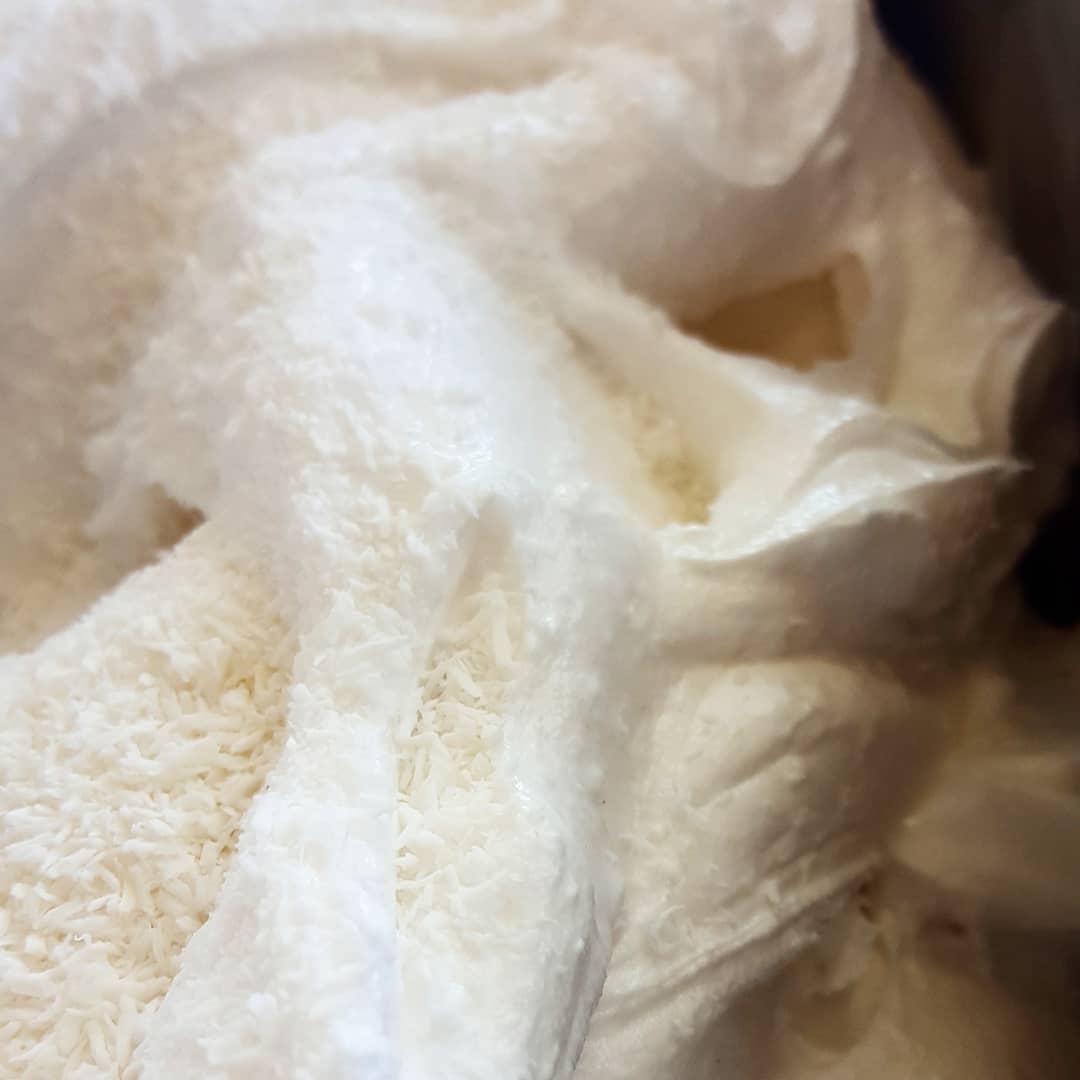
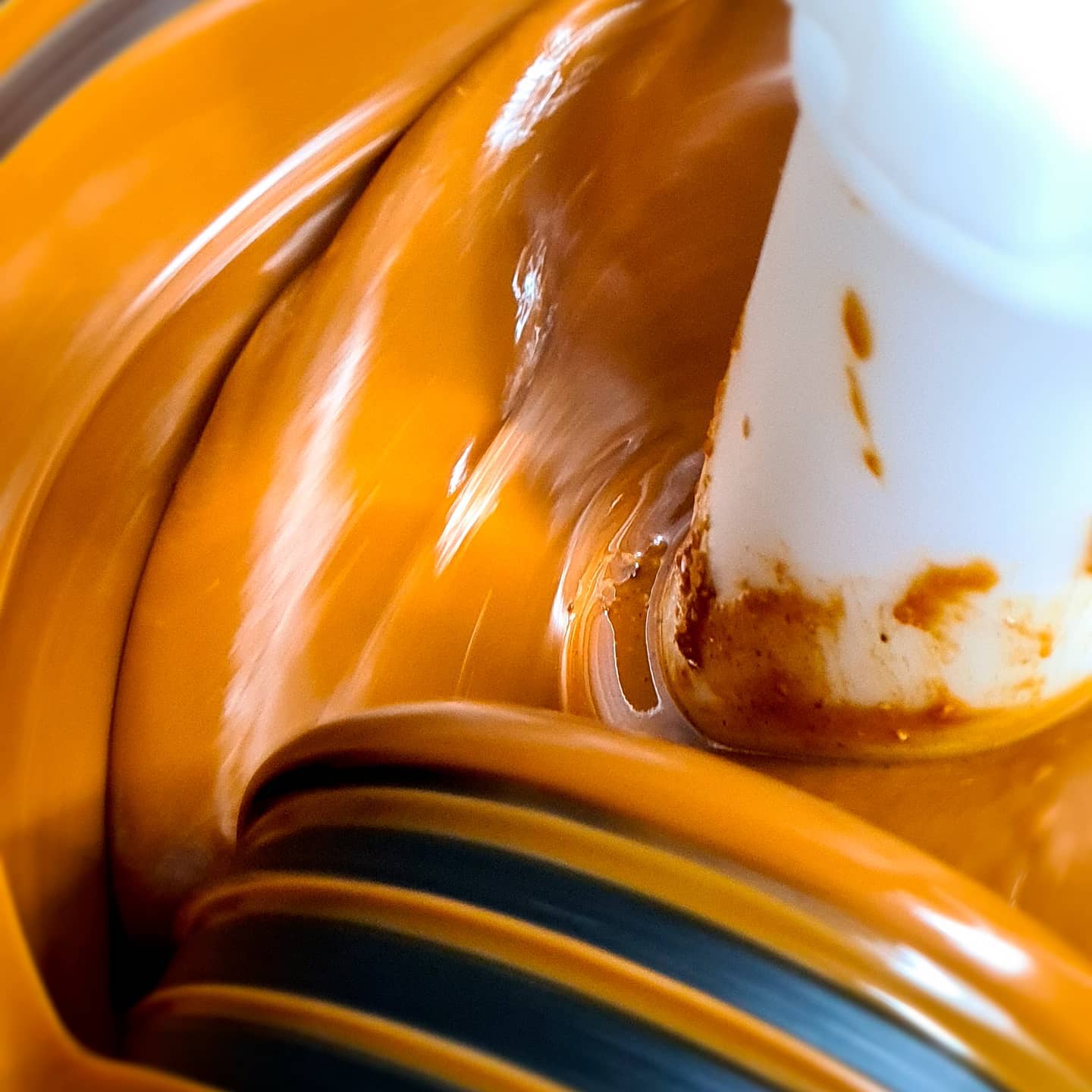
We know you're a specialist in making your own nut pastes. How do you make them? What equipment do you use?
Right now, making your own pastes strikes me as a must in professional ice cream making. I think I've gradually managed to make it fashionable through internet videos and talks at trade fairs.
Working the raw material is essential if we're to set ourselves apart from the rest. In the case of nuts, being able to select origin, quality, roast and grind gives you brutal possibilities for personalisation.
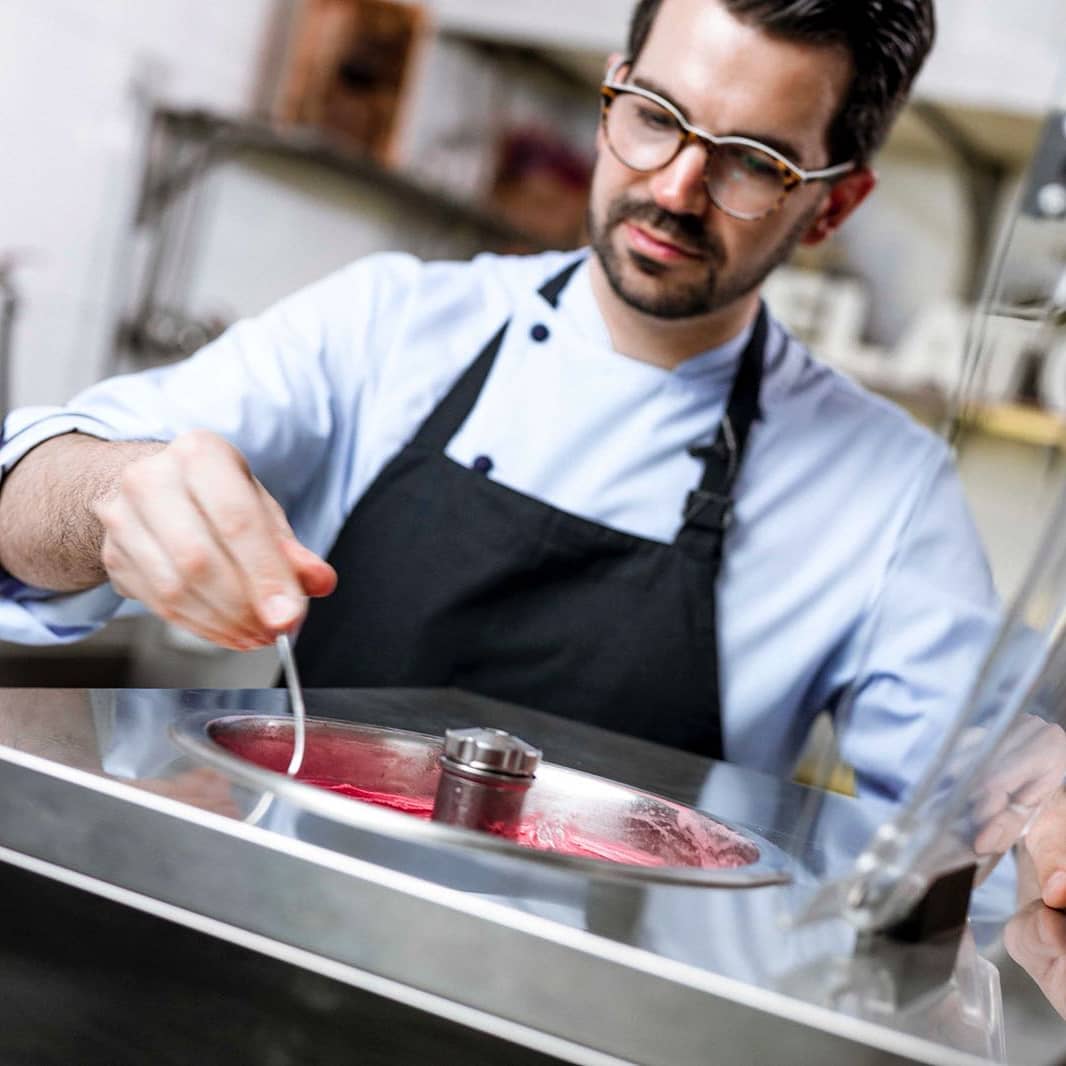
We can roast or fry the nut, depending on the flavour we want to get. Then it has to be ground and after that we need a conche to get a fluid paste. With simple tabletop machines we're getting a grind of 10,000 microns, which is very good.
I remember we started formulating ice cream at −18 °C and the first recommendation you gave us was to do it at −11 °C, even if it was for home. What advantages does formulating at −11 °C have over −18 °C?
Right, good question. I'll give you a few arguments, some organoleptic and others technical.
I understand the convenience of taking ice cream out of the freezer and being able to eat it with a creamy texture without having to wait. However, that ice cream will be very cold and at −18 °C most taste buds are not going to perceive the flavour, "they get burnt by the cold". And on top of that the fat will take longer to melt in the mouth and longer to transmit the flavour to us. The only advantage of formulating at −18 °C is satisfying our impatience.
Then, from a technical point of view: the creamy texture of ice cream is partly due to the fact that 20% of the water is liquid and the remaining 80% frozen. That is what gives ice cream its semi-frozen, creamy texture. That free water, however, is active and reacts badly to the ageing of the ice cream.
Ostwald ripening is one of the first problems we have to worry about. It is a naturally occurring effect: in the presence of liquid water, ice crystals tend to join together and form larger ice crystals. This makes our ice cream lose texture, and in the long run we can even chew the pieces of ice.
An ice cream formulated at −18 °C will suffer this effect far more severely than one formulated at −11 °C. The reason is that an ice cream formulated at −11 °C will be frozen at −18 °C and the water activity will be reduced.
Another argument is the lack of powerful machinery. Without powerful machines or blast chillers, making ice cream at home at −18 °C will always give us a poorer result, not counting the complication we'll find in the formulation with ice creams heavily loaded with dextrose, which end up feeling even colder in the mouth.
Set up your workshop at homeHow much machine do you really need?We compare compressor and frozen-bowl machines, with their pros and cons.See which machine you need →What a lecture!
05Formulating and choosing ingredients
Allowing for the distance from ice cream shops with professional machinery, do you think a decent ice cream can be made at home with the means we have?
Yes. Especially if it's for immediate consumption. What's more, at home we don't look at costings to know whether that ice cream is going to be profitable or not. So it's possible we get ice creams at home with more flavour than in some shops that skimp more on ingredients to cut costs.
Which stabiliser blends do you usually use for ice creams and sorbets?
I'm very happy with the results from Danisco's products. For creams, Cremodan SE30, and for sorbets, Cremodan 28 SorbetLine. The truth is there's no right or wrong here, just what we want to achieve. Depending on the result we want in our ice cream, we can use one or the other; the product range is immense. In the end they're combinations of stabilisers and emulsifiers, and by looking at the composition we can tell which suits us best.
There are people who do without blends and prefer to make their own combinations. To tell you the truth, I don't rule it out. It's on my list of things to study in detail.
After seeing on your social media stories the number of chocolates and brands you've tried, which one do you go for?
I couldn't tell you how many I've tried, loads. And with every brand there's always something that stands out. Whether in blends or single origin, there's always some chocolate that surprises you.
For me, the great discovery of the year has been Casa Luker. I didn't know the brand and they sent me some samples during the spring lockdown. I find them incredible, they have unique aromatic profiles and work brilliantly in ice cream. In particular, I'm a big fan of the Tumaco 85 %.
From other brands, Callebaut's Sao Thomé strikes me as very good and of course Valrhona's Coeur de Guanaja.
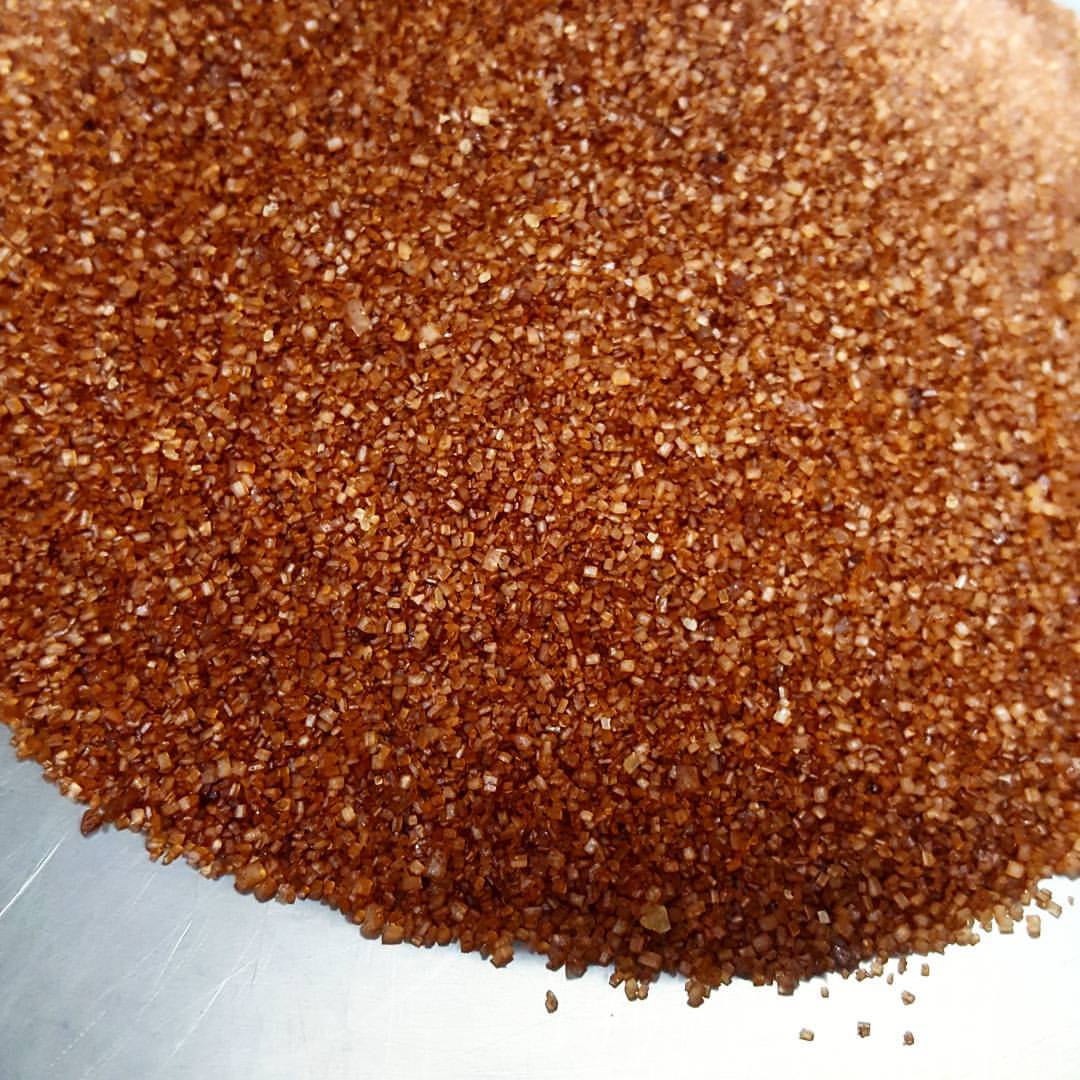
Setting aside cost and profitability (which we already know aren't there for now), what do you think of the new sugars arriving on the market, such as tagatose, trehalose and so on? Do they do the same job as the usual ones? Are they really healthier? Will they come down to an affordable price? Does the ice cream turn out the same?
You get the feeling that the industry always brings out new things when a consumption trend forms in a particular direction. Right now we're on the line of avoiding added sugars, and products appear that are supposedly healthier to replace conventional sugars. Until I see more serious and independent studies on the matter, I don't dare give an opinion; I lack the data to be objective.
As for the price, yes, they will come down, especially when buying large batches. But that's like any new product. Today a phone costs €1,000, in a month €800 and in a year €450.
As for the flavour of the ice cream, the palate gets used to things. If these sugars end up being adopted, changes will be made little by little in the recipes to get customers used to them.
We see it in the strategies of big brands like Nestlé, which have gradually been removing sugar from products so that it isn't an abrupt change for the customer, and which set themselves targets several years out so that it's more or less gradual.
06Two debates: diabetics and frozen yoghurt
We can't play with our customers' health: if we don't know what we're selling, better not to sell it.
Following on from an article we published recently on the site, ice cream for diabetics, a complicated and above all very delicate subject. I imagine you have to be very careful with what's offered out there as such. Do you have an option in your shop? If you don't, are you considering it?
I take it you mean Lluis Ribas's article; it's outstanding work. It's important to inform the customer about what's in the ice cream. Depending on the type of diabetes, it isn't enough to remove added sugars, you also have to give information about the carbohydrates.
We've been offering this kind of ice cream for many years and we have very loyal customers who come for their treat. But as I said, the important thing is to inform the customer about the ingredients of the ice cream and its nutritional information, and then let them judge whether they can have it or not.
What we must never do is deceive people in order to scrape a sale. We can't play with our customers' health; if we don't know what we're selling, better not to sell it.
Something that surprises us quite a bit is walking around cities and seeing the "frozen yoghurt" franchises like llaollao and similar packed out, while there aren't as many people in an artisan ice cream shop. What do you think of these franchises? Do people not have a very educated palate?
Hard to answer and stay politically correct, but I'll try. This subject is worth a several-hour chat with a beer or two along the way.
I'll carry on a bit from the previous question, talking about the industry. In general, they do what they like with us. Let me explain: there's a whole marketing operation behind it that conditions our brain as to how a product has to be and what we're going to find. It's not only a question of palate, but of all the senses. An experiment I often do with the children I bring to workshops at the workshop is to have them taste natural strawberry juice and water with strawberry flavouring. The sad thing is seeing that few can say blind which is the natural strawberry, but almost all identify the taste of strawberry chewing gum.
We have to teach our senses to be more critical and above all to notice the manipulation we're subjected to. I'm not saying we shouldn't be subjected to it, but that if we are, let it be consciously.
Following on from marketing comes my criticism of the artisan. I'll assume we're talking about a real artisan and not an ice cream maker who only works with semi-finished products. We sell ourselves very badly. I'm aware that we have neither the marketing tools nor the budget of big companies, but you have to invest in image, in communication. What's the use of using the best vanilla in the world if we don't explain it to our customers and make them understand why it's better?
07Teaching, competing and sharing
We've seen you giving courses at the Basque Culinary Center; it must be a real treat to attend one of your training sessions there. Do you have any kind of training for amateurs? What do you have to do to attend?
Right now I'm at a turning point in the business. My mother is retiring, I'm taking the reins of everything and I'm going to give it the direction I want. My main problem is time, but one of the lines I want to develop better is training. I don't yet know whether it'll be online or in person, but in the not-too-distant future I'd like to have a well-equipped classroom where I can offer courses. "Stay tuned", haha!
Until then you can carry on bombarding me with questions 😉
A little bird told me that, although you're not much of a competitions person, this coming year, 2021, you're entering the Spanish championship. Can you give anything away?
Unfortunately the championship has been postponed to 2022, in principle. I'm entered and preselected. Now there's a lot of work ahead to prepare something cool. I can't give you details or they'll copy me, hahaha!
In the world of ice cream, where there's so much secrecy, your willingness to help people selflessly surprises me; that's not at all usual. Why do you do it?
It seems natural to me. Going to my grave with what I know doesn't strike me as practical. Human beings need to share and to learn from collective knowledge. I'm not a believer and I'm not religious, I believe in human potential. And that potential can only grow if we're generous with one another. Besides, the questions test my knowledge and push me to learn more.
Going to my grave with what I know doesn't strike me as practical.