Blog · Technique

Bean to bar, the key
to quality ice cream

Chocolate makes the difference in an ice cream, and not all of it will do. We explain what bean to bar is, why the origin of the cocoa matters and how to choose it for your recipes.

HaztuheladoHaztuhelado TeamApr 22 2023 · 6 min read
Share
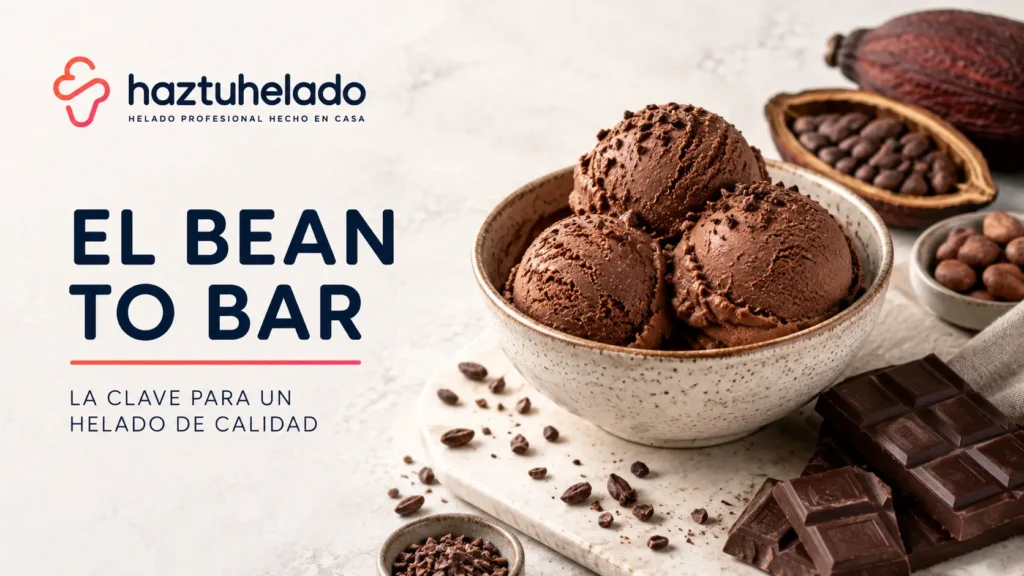
Bowl of chocolate ice cream beside a cacao pod, cacao beans and a bar of chocolate
In 30 seconds

The Bean to bar means making chocolate while controlling the whole chain, from choosing the grower at origin to the finished bar: fermentation, drying, tasting the bean, roasting and grinding. It matters in ice cream because that is where the origin, the aromatic profile and the character you'll later taste in the ice cream come from.

Welcome to our blog on professional homemade ice cream! Today we're talking about one of the most important ingredients for us: chocolate. In particular, we'll focus on the technique known as Bean to bar, which is the purest way of making chocolate.


Have you ever wondered how high-quality chocolate is made? Have you heard of bean to bar? If so, read on!


What is the bean to bar technique?


Bean to bar is an artisan chocolate-making process that involves carefully selecting high-quality cocoa beans and producing the chocolate directly from the seed. It's called bean to bar because the chocolate is made from the cocoa bean through to the bar with the whole process under control.


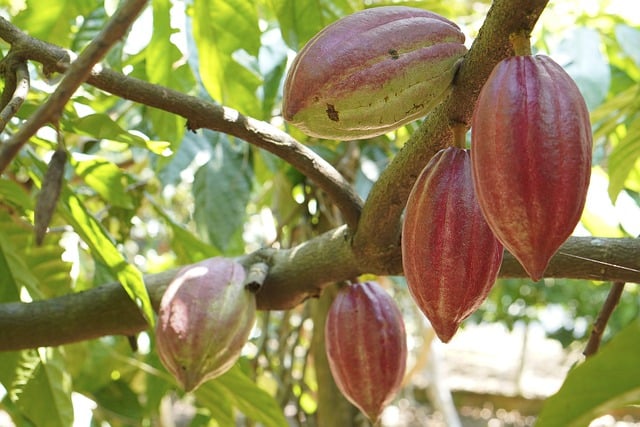
The first and most important step is selecting the cocoa growers at origin. That means seeking out growers who really know what they're doing: professionals capable of tending and producing high-quality cocoa beans using sustainable practices. It can include assessing land management, water conservation and biodiversity, as well as the quality of life of the workers on the cocoa plantations.


cacao tree
Cocoa at origin: it all starts with choosing the right grower.

The second step, and one of the most critical, is fermenting the cocoa, which happens after the beans are harvested and before drying. During fermentation the beans go through a series of chemical reactions that shape their flavour and aroma, turning them into the cocoa beans we know.

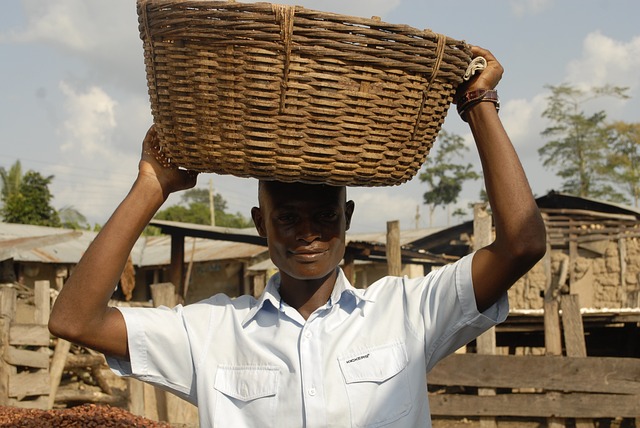
cacao growing
The harvest, still on the plantation.

Cocoa fermentation generally takes place in the cocoa-growing regions where the beans are cultivated, typically on small plots or on the growers' own farms. The process varies from region to region, but as a rule the beans are separated from the pod and sorted to make sure only ripe, high-quality beans are used.


The beans are placed in boxes or heaps to start fermenting. During the process the mucilage around the bean begins to break down and heat is generated as natural yeasts and bacteria break down the sugar and other compounds in the mucilage.


The beans are stirred and turned regularly so that every seed ferments evenly.


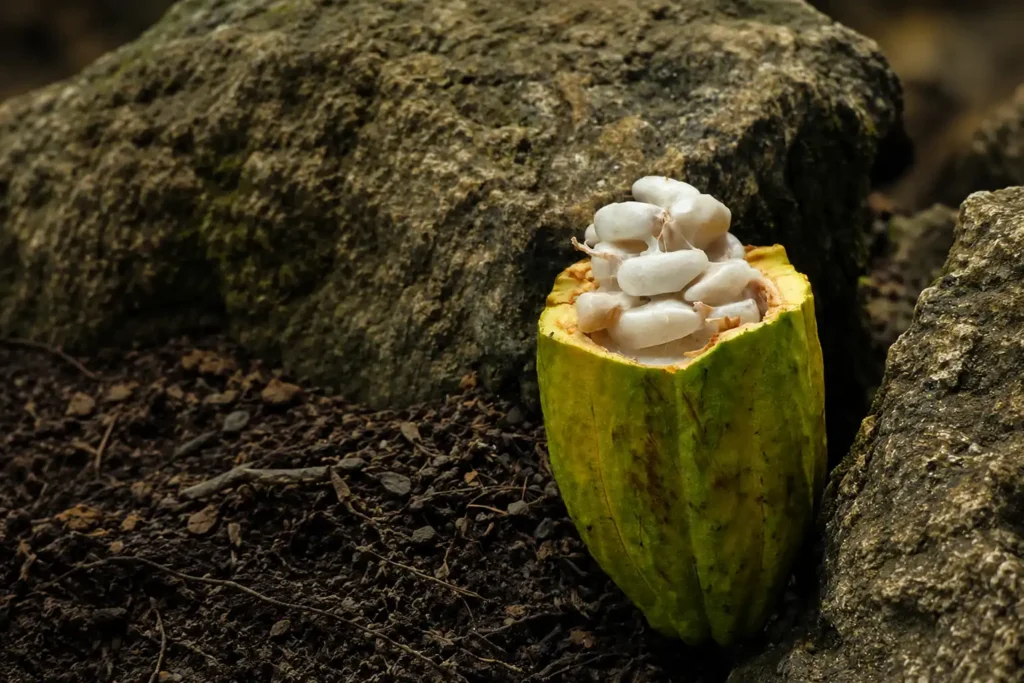
Digging into this world, I found the role of mucilage in fermentation fascinating. Mucilage is the sticky layer that surrounds the cocoa beans and clings to the pulp inside the pod. During fermentation it starts to break down and releases acetic acid, which helps kick-start the process and generate the heat needed to activate the enzymes and micro-organisms involved. Mucilage can also contribute to the final flavour and aroma of the cocoa, since some of its compounds pass into the bean during fermentation.

Mucilage, the white pulp wrapped around the bean, which nobody throws away any more.

Cocoa mucilage used to be treated as waste and discarded during processing; it has since been found to have several uses and benefits, including making drinks and foods, organic fertiliser, animal feed and raw material for biogas production.


The grower delivers the mucilage as a syrup, chemically very close to invert sugar at around 70%, sweet and acidic, with profiles like passion fruit, papaya, pineapple, mandarin, grapefruit and so on.


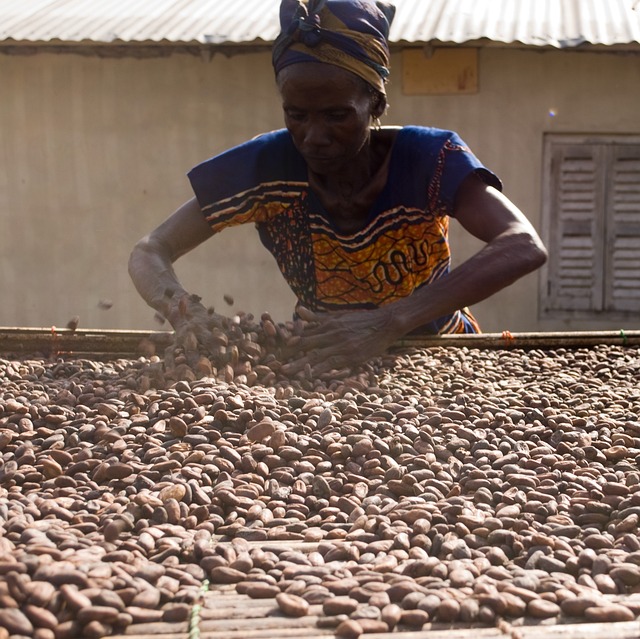
Finally, the beans are washed to remove any residue from fermentation and then dried in the sun or in mechanical dryers to reduce their moisture.

cacao drying
Drying, after washing the bean.

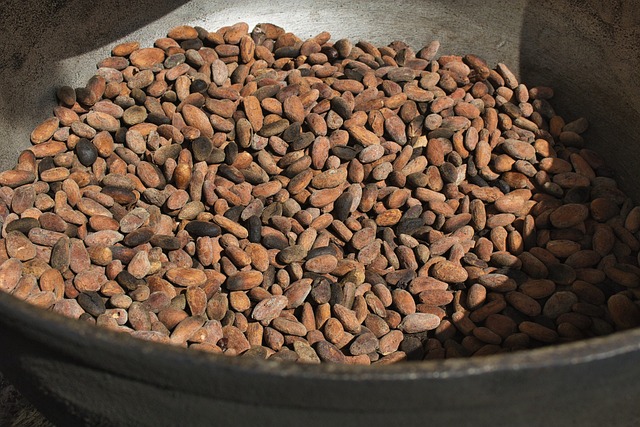
The third step is roasting, which is done at the destination. It is a crucial stage in chocolate production, since it shapes the flavour, aroma and texture of the cocoa beans.

cacao roasting
Roasting, done at the destination: a good deal of the flavour is settled there.

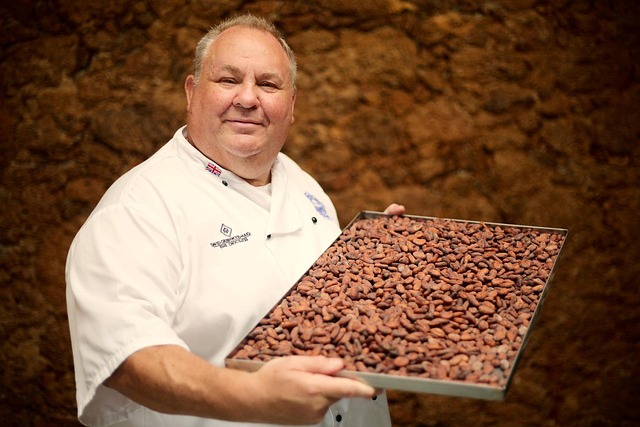
Before roasting, the bean is tasted to read its nuances and give it a roasting profile that keeps all the desired notes in the finished product.

chef tostado cacao
Before roasting, the bean is tasted so its profile can be decided.

The beans are roasted, winnowed, broken into nibs and ground into a liquid cocoa mass. From there the different recipes are developed, with sugar, with milk or even as infusions. Some people throw the husks away, but with cocoa everything can be used — you can even make an infusion from them.


Once the chocolate mass is ready, it is poured into moulds and left to cool and set. A few hours later the bar is ready to be wrapped and sold.


In bean to bar the trade is far fairer and more sustainable. The whole chain, from the growers to the final seller, earns much more than with commercial production.

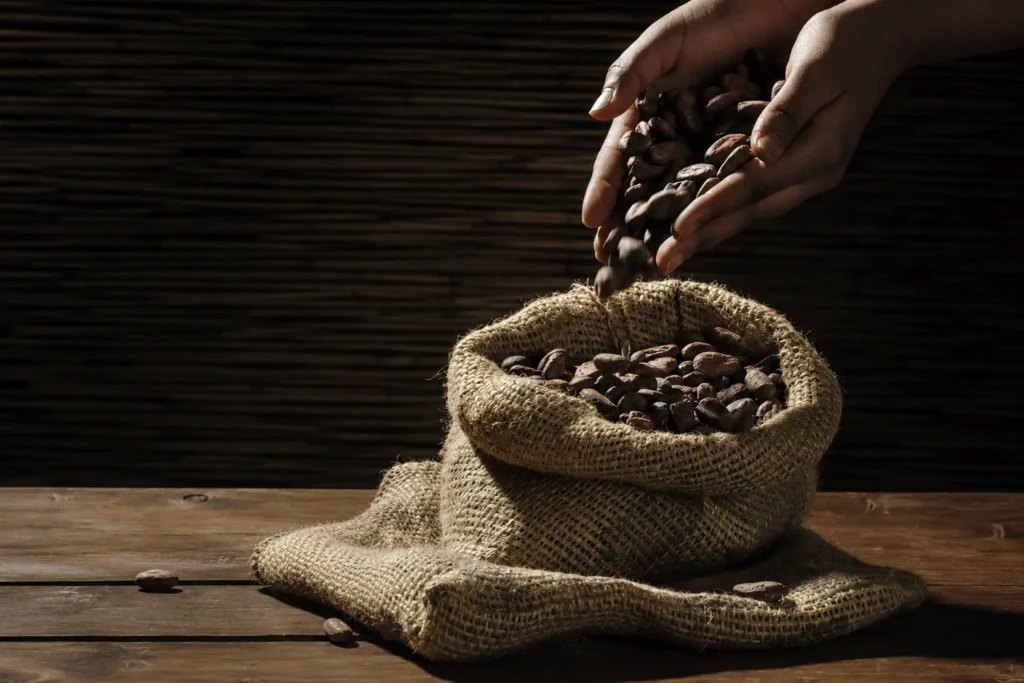
Bean by bean: with bean to bar the whole chain wins.
Bean by bean: in bean to bar the whole chain wins.

Why use quality chocolate in your ice cream?


High-quality chocolate made with the bean to bar technique is a crucial ingredient for creating superior ice cream and setting yourself apart. It means a more intense, more authentic flavour, full of nuance. Quality chocolates also contain fewer additives and preservatives than commercial ones, which improves their texture and makes them healthier. Using these chocolates guarantees exceptional flavour and aroma in every spoonful of ice cream.

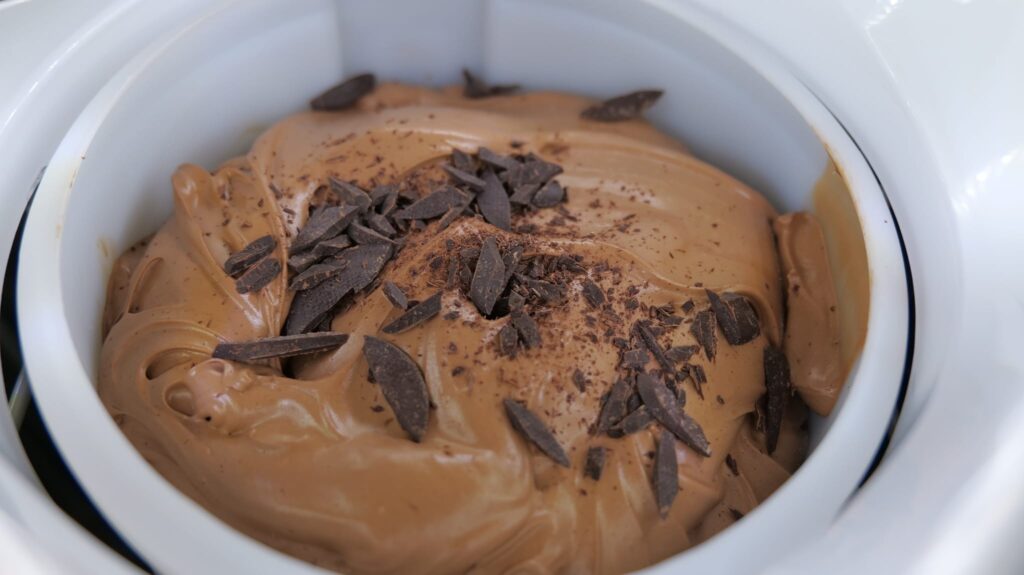
Put it into practiceOur Guanaja 70% chocolate ice creamThe recipe where a good chocolate really shows.See the recipe →
Yon Gallardo's chocolate ice cream
A chocolate ice cream made with real couverture.

What is a chocolate of chocolates?


Chocolate tasting is an important skill for anyone who wants to appreciate high-quality chocolate. By trying different chocolates you can discover flavours and aromas you hadn't noticed before and learn to tell the different types apart.


In case you didn't know, there is a several-year qualification for chocolate professionals in which the palate is developed to an incredible degree. Here's the link for anyone interested:


the tasting course at the Chocolate Tasting Institute


If this subject interests you, you're in luck! This Sunday, 23 April 2023 at 20:00, we have an ice cream chat on Instagram between Yon Gallardo (@Yongallardo) and Xabi Urizar (@xabi_cacaotasting). Xabi is a qualified chocolate taster and bean to bar specialist, and Yon is a genuine ace of ice cream making. Two masters we have a great deal to learn from. Once the live stream is over, I'll put it up here.


On InstagramYon and Xabi's chat about bean to bar. A live tasting between an ice cream maker and a chocolate taster.Watch the live stream →

What better way to enjoy chocolate than in the form of ice cream!


Put it into practiceTry it on your next batch

This is much easier to understand with a formula in front of you and its figures worked out.

Haztuhelado
Haztuhelado Team

We formulate and test every recipe at home before publishing it, drawing on the standard technical literature. Our aim: that you understand the why, not that you simply copy.

The blog, up to date

Do not miss
a single article

Get the new recipes and the technical guides straight to your inbox as soon as we publish them. No spam, just ice cream done properly.